
How to help a cat with anxiety usually starts with a simple shift in mindset: you’re not trying to “stop the behavior,” you’re trying to make your cat feel safer in their own space. Many anxious cats look “fine” until something changes, guests arrive, a move happens, a new pet shows up, or even a litter box setup changes, then the stress spills out as hiding, overgrooming, vocalizing, or accidents.
It matters because ongoing stress can snowball, appetite may dip, sleep gets lighter, and certain issues like urinary problems can become more likely in some cats. You also don’t want to miss medical causes that masquerade as anxiety, pain and illness can look a lot like “nerves.”
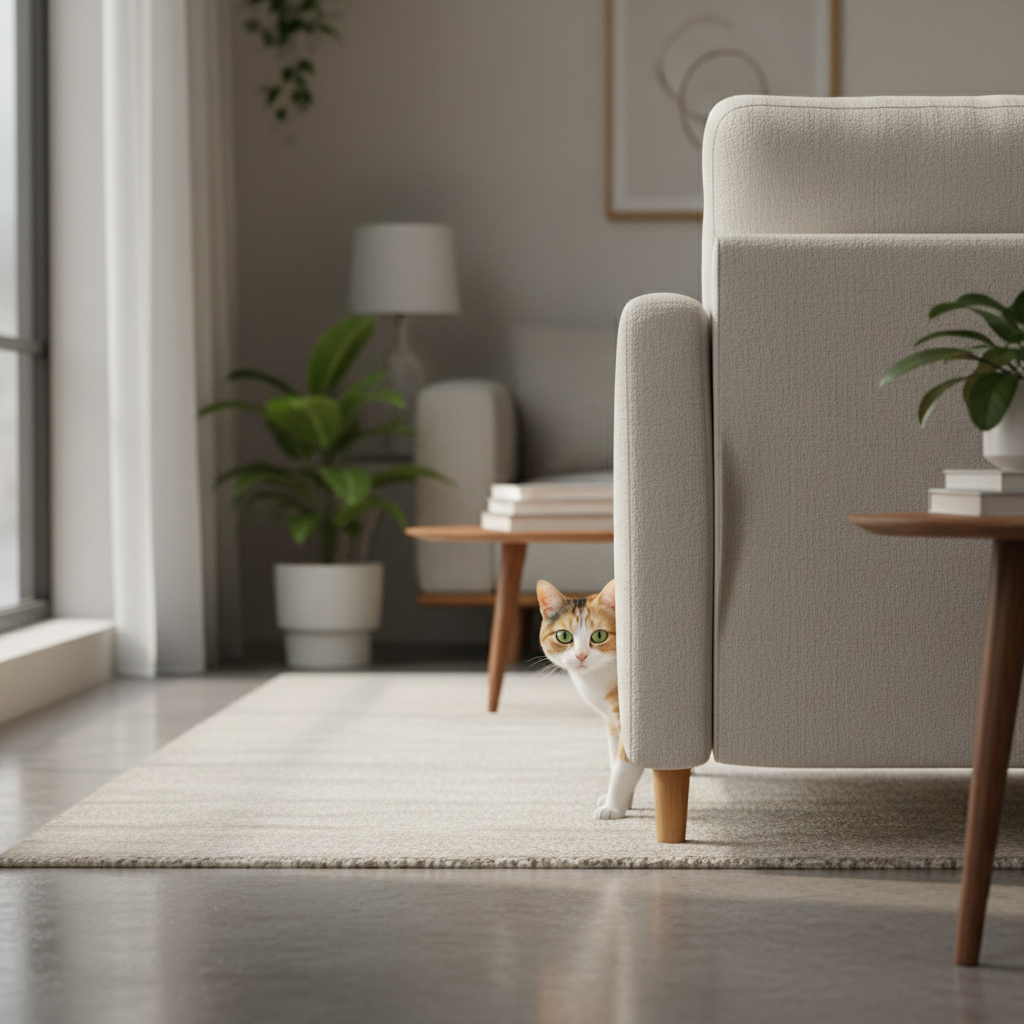
This guide focuses on practical, natural steps that often help: predictable routines, better territory setup, gentle enrichment, and a few calming tools used the right way. I’ll also flag the moments when home support is not enough and a veterinarian or behavior professional makes sense.
What feline anxiety can look like (and what it’s not)
Cat anxiety rarely shows up as “shaking” the way people expect. It’s more often subtle, and owners end up thinking the cat is being stubborn or “spiteful,” which is almost never the right frame.
- Hiding more than usual, especially after normal daily noises or minor changes
- Overgrooming, barbering fur, or skin irritation from licking
- House-soiling (urine or stool outside the box), sometimes tied to specific rooms or events
- Clinginess or avoidance, a sudden shift either way can be a clue
- Reactivity to sounds, people, or other pets, including swatting or growling
- Appetite changes or picky eating that appears around stressors
According to the American Veterinary Medical Association (AVMA)... behavior changes can be an early sign of health problems, so it’s smart to keep medical causes on the table while you work on the environment.
Why cats get anxious: common triggers in real homes
Most anxious cats are reacting to a mismatch between what they need and what the home provides. That mismatch can be temporary, like construction noise, or ongoing, like limited territory in a multi-cat space.
Environmental change and unpredictability
Moves, renovations, travel, schedule changes, or even switching a couch can alter scent maps and “safe” routes. Cats lean heavily on familiarity, so surprise changes can hit hard.
Territory pressure (often in multi-cat households)
This one is easy to miss because it’s not always fighting. A confident cat can block hallways, stare, or quietly control resources, and the anxious cat just… shrinks their world.
Noise, visitors, and outside threats
Doorbells, kids running, parties, thunderstorms, fireworks, or neighborhood cats at the window can all push a sensitive cat into chronic vigilance.
Pain or medical discomfort
Dental pain, arthritis, GI upset, or urinary issues can make a cat jumpy and avoidant. If anxiety appears suddenly or escalates quickly, assume you might be dealing with more than “stress.”
Quick self-check: is it mild stress or a bigger problem?
Use this list to decide how urgent the situation might be. It’s not a diagnosis, it’s a way to triage what to do next.
- Mild and situational: stress shows up around a clear trigger (guests, storms) and your cat returns to baseline within hours or a day.
- Moderate and persistent: daily hiding, ongoing overgrooming, reduced play, or conflict patterns that don’t resolve with small changes.
- Higher concern: not eating for 24 hours, straining to urinate, repeated vomiting, sudden aggression, or weight loss. Call a vet promptly.
According to the American Association of Feline Practitioners (AAFP)... cats are masters at masking illness, so pairing behavior support with a medical check is often the safest path when signs persist.
Natural strategies that often help (the core routine)
If you’re serious about how to help a cat with anxiety, start with the basics below for two to four weeks before you judge results. Anxiety support is usually “boring consistency,” not one magic product.

1) Make the home more “readable” for your cat
- Create safe zones: at least one quiet room or corner with bed, water, litter access nearby, and a predictable escape route.
- Go vertical: shelves, cat trees, and window perches reduce feeling trapped.
- Protect pathways: avoid forcing anxious cats through narrow choke points where another pet can ambush or stare.
2) Tighten routine without making life rigid
- Feed around the same times daily, even if portions change.
- Schedule two short play sessions rather than one long one, many cats handle “small and often” better.
- Keep the litter box area consistent: same room, low traffic, steady lighting.
3) Use play as nervous-system training
Wand play is not just entertainment, it’s a safe way to practice stalking and “winning,” which can lower baseline tension for some cats.
- Start slow, keep the toy farther away than you think, let your cat watch before engaging.
- End with a small food reward if possible, it helps complete the hunt-eat sequence.
- If your cat freezes or crouches with wide eyes, pause and downshift, don’t push through.
4) Support calm with scent and sound (gently)
- Pheromone diffusers: many households find them helpful, especially after moves or during introductions. Place where your cat spends time, not hidden behind furniture.
- Noise management: white noise, fans, or calm music at low volume can soften sudden sounds.
- Scent continuity: keep a familiar blanket during travel or room changes, avoid over-cleaning everything at once.
Use this table to match the solution to the situation
People waste time doing the “right” thing for the wrong trigger. This quick mapping usually saves frustration.
| Situation | What you may notice | Natural steps to try first |
|---|---|---|
| New home or room changes | Hiding, reduced appetite, scanning | One safe room setup, routine feeding, familiar scents, gradual expansion |
| Visitors or loud events | Bolting, under-bed camping, vocalizing | Pre-set quiet room, white noise, enrichment earlier in day, treat scatter |
| Multi-cat tension | Staring, blocking, litter box avoidance | More litter boxes, vertical space, separate feeding, predictable play for both cats |
| Outside cats at windows | Window guarding, sudden aggression, spraying | Frosted film, block sightlines, window perches away from front, redirect with play |
| Handling stress (carrier, nail trims) | Running away, growling, struggle | Carrier left out, short desensitization sessions, rewards, towel training |
Practical step-by-step: a 14-day reset plan
If you want a clean experiment, run this for two weeks. Keep notes, not because you’re obsessive, but because patterns show up fast when you write them down.
- Days 1–3: pick one safe zone, add a covered bed or box, add vertical option, keep feeding and play on a predictable schedule.
- Days 4–7: improve resources, add an extra litter box if you have multiple cats, increase play to two short sessions, start gentle treat scatter once a day.
- Days 8–11: identify the top trigger, then reduce it (block window view, create guest plan, add white noise), keep everything else steady.
- Days 12–14: test small exposure only if your cat is calmer, for example brief doorbell sound at low volume paired with treats, stop before stress spikes.
Key point: if symptoms worsen as you “train,” you moved too fast, slow down and return to what your cat can handle.
Common mistakes that quietly keep anxiety going
These are the spots where good owners get stuck, because the intention is right but the effect is the opposite.
- Forcing social time: pulling a cat out from hiding teaches that hiding is unsafe, which increases future avoidance.
- Punishing accidents: it increases fear and can worsen litter box avoidance. Focus on setup and medical rule-outs instead.
- Too much too soon: new toys, new foods, new routines, and “training sessions” all at once can flood a sensitive cat.
- One litter box for multiple cats: many cats tolerate it until they don’t, then anxiety shows up as “random” peeing.
- Skipping pain checks: if discomfort drives the behavior, environmental tweaks only get you partial improvement.
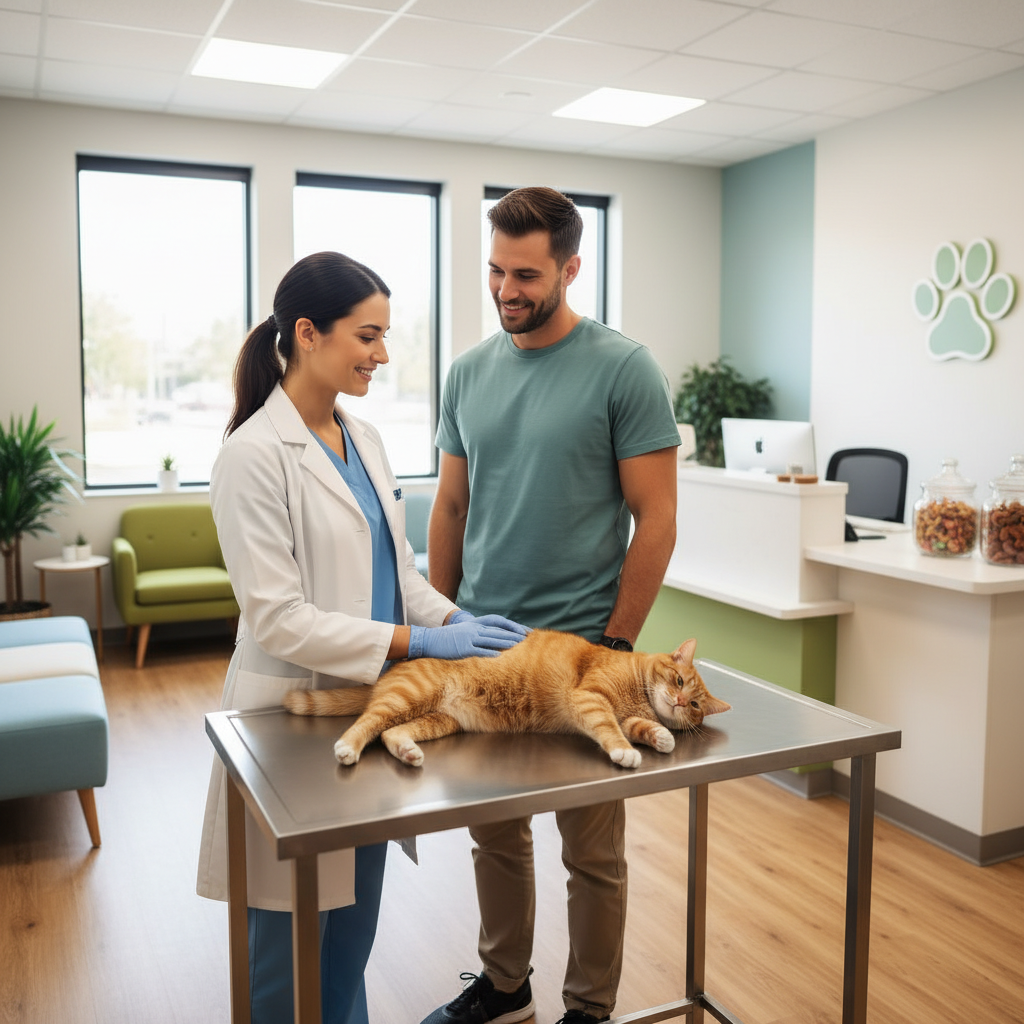
When to involve a veterinarian or behavior professional
Home support can do a lot, but it has limits. If you’re still wondering how to help a cat with anxiety after you’ve improved territory, routine, and enrichment, it may be time to bring in help that’s faster and safer.
- Urgent medical signs: straining to urinate, blood in urine, not eating for a day, repeated vomiting, collapse, or sudden severe behavior change.
- Persistent overgrooming: skin damage, bald patches, or sores, a vet can check for allergies, parasites, pain, and stress links.
- Aggression or serious conflict: risk to people or pets, or chronic intimidation between cats.
- Anxiety that limits normal life: your cat rarely comes out, won’t play, or avoids the litter box area even after changes.
According to the American College of Veterinary Behaviorists (ACVB)... behavior concerns are medical and welfare concerns too, and treatment may include behavior plans plus medication when appropriate. If medication is recommended, your vet can discuss benefits, risks, and monitoring.
Key takeaways (so you don’t overcomplicate it)
- Reduce uncertainty with routine, safe zones, and clear pathways.
- Increase control via vertical space, choice to hide, and predictable resources.
- Use play strategically, short sessions that end on success beat “big workouts.”
- Don’t punish stress behaviors, look for triggers and medical contributors instead.
- Get help earlier if appetite, urination, pain, or aggression enters the picture.
Anxious cats usually improve when the home starts feeling consistent and negotiable, not when we try to out-stubborn them. Pick two changes you can truly maintain this week, run the 14-day reset, and track what actually moves the needle. If progress stalls or symptoms look intense, scheduling a vet visit is not “overreacting,” it’s often the cleanest way to rule out pain and build a plan that fits your cat.