
Pet hair brush for shedding is one of those purchases that feels simple until you realize every coat behaves differently, and the “wrong” brush can waste time, irritate skin, and still leave your couch covered.
If your dog or cat seems to “explode” fur during seasonal changes, or you’re seeing constant tumbleweeds in corners, you’re not alone. Heavy shedding is common, but the grooming approach that works for a short-haired Lab often fails on a double-coated Husky, and vice versa.
This guide focuses on practical picking and using, not hype. You’ll learn what causes heavy shedding, how to match brush type to coat, a quick self-check to diagnose what’s really going on, and a simple routine you can stick with.
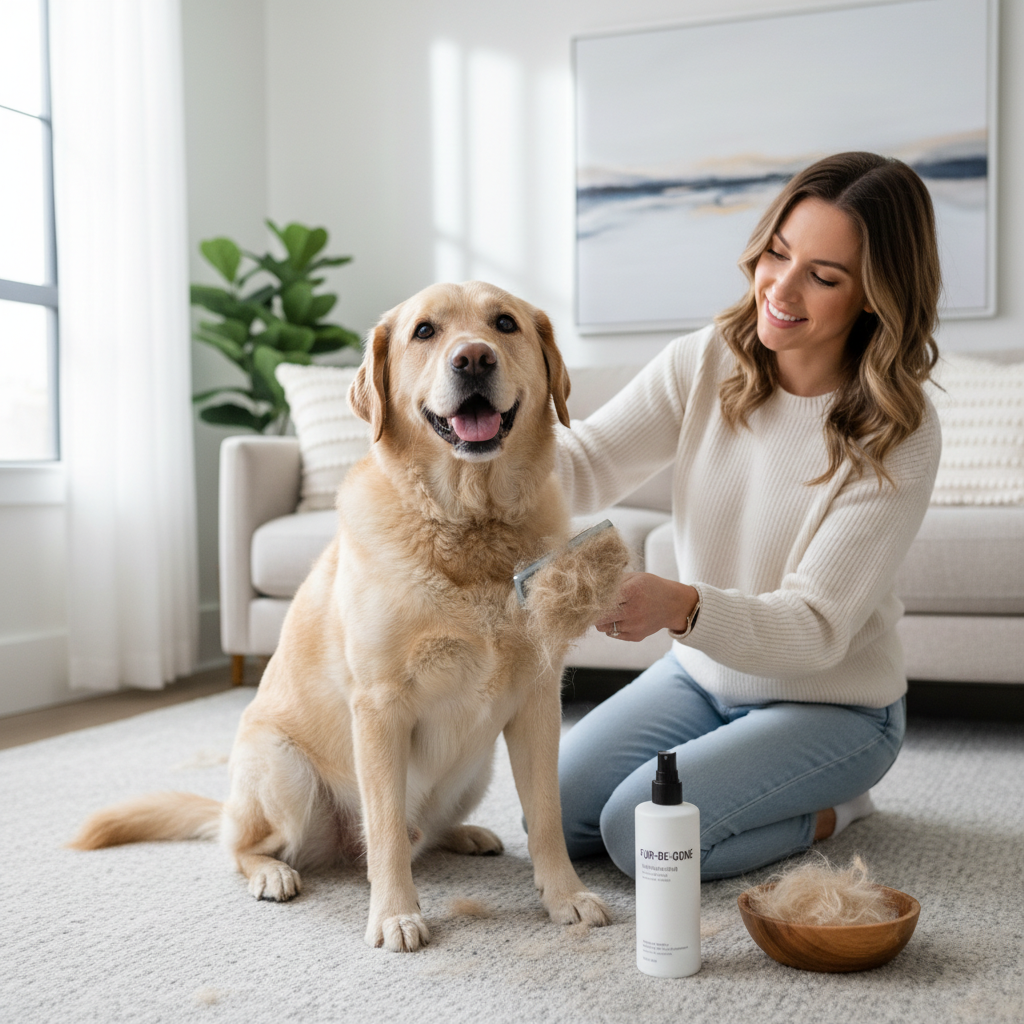
Why heavy shedding happens (and when it’s not “just shedding”)
Most heavy shedding comes down to coat cycle plus environment. Many pets shed more during seasonal transitions, indoor heating and AC can dry skin, and stress can nudge shedding upward.
But there’s a point where you should pause and look closer. If you notice bald spots, persistent dandruff, red bumps, strong odor, or your pet scratching more than usual, shedding may be mixed with a skin issue.
According to the American Veterinary Medical Association (AVMA), skin and coat changes can be tied to underlying health conditions, so it’s reasonable to ask a veterinarian when shedding comes with itching, sores, or sudden pattern changes.
- Seasonal coat blow: common in double-coated breeds, often looks dramatic but can be normal.
- Dry skin: flaky coat, static fur, more brushing discomfort.
- Parasites or allergies: itching, redness, chewing paws, uneven thinning.
- Matting: trapped undercoat creates more hair fall and skin tension.
Coat type matters more than brand: match the brush to the fur
The biggest mistake people make is choosing a brush by popularity rather than coat structure. A pet hair brush for shedding should be selected the way you’d pick a tool, based on what it needs to do: lift undercoat, remove loose topcoat, detangle, or smooth.
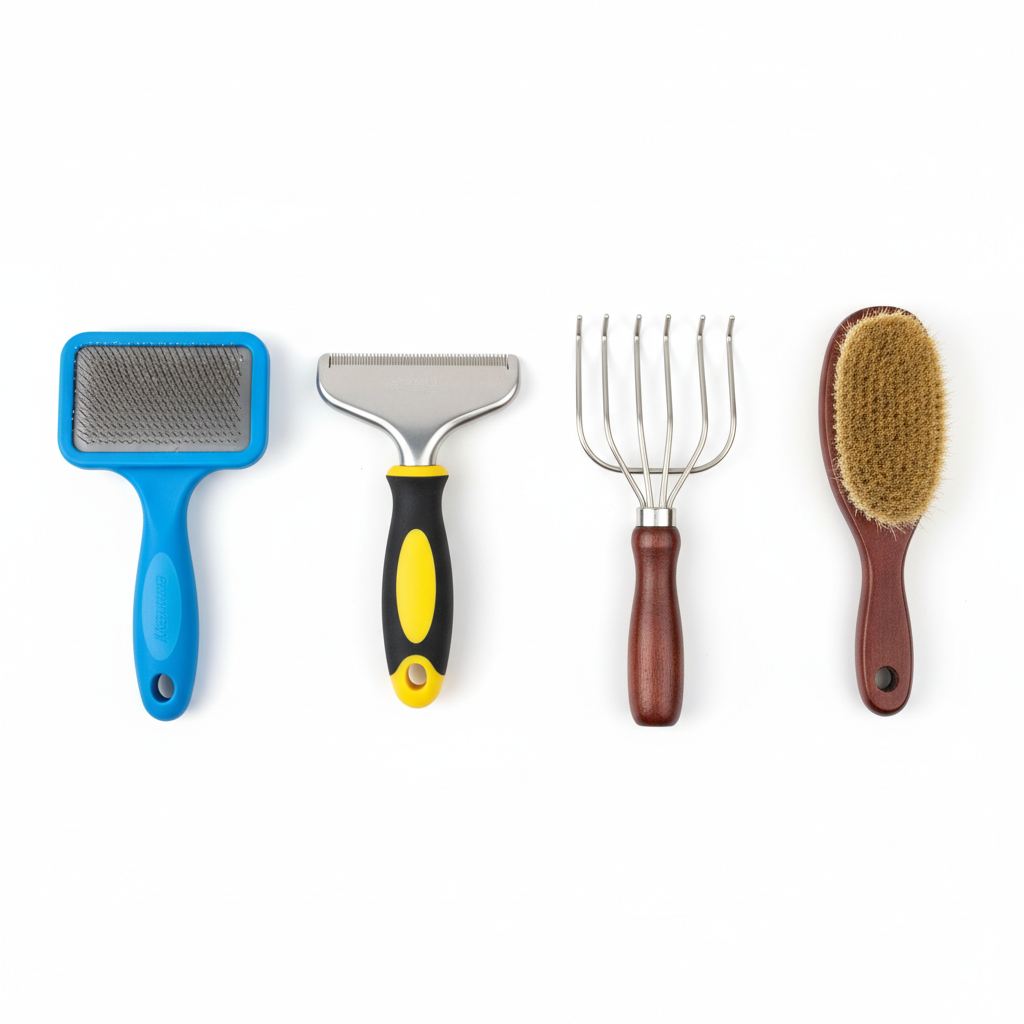
Quick guide to brush types
- Slicker brush: great for fluffing, light de-shedding, and minor tangles; can scratch if used with pressure.
- Undercoat rake: designed to pull out packed undercoat; helpful for thick double coats.
- Deshedding tool (bladed comb style): effective on certain double coats; use carefully and avoid overdoing it.
- Bristle brush: best for short coats and finishing, spreads natural oils for shine.
- Rubber curry brush: excellent for short-haired shedders during baths or quick daily sessions.
- Dematting comb: targeted tool for mats; not a general “shedding” brush.
Coat-to-tool cheat sheet (use this before you buy)
| Coat type | Common breeds (examples) | Tools that usually work well | Tools to be cautious with |
|---|---|---|---|
| Short, smooth | Lab, Beagle, many cats | Rubber curry, bristle brush, grooming glove | Aggressive bladed deshedders (can irritate) |
| Double coat (medium) | German Shepherd, Corgi | Undercoat rake, slicker, metal comb | Overusing deshedding tools in one spot |
| Double coat (thick) | Husky, Malamute | Undercoat rake, slicker, high-quality comb | Short sessions with too much pressure (skin burn) |
| Long, fine | Collie types, some long-haired cats | Slicker + comb combo, detangling spray (pet-safe) | Ripping through knots without line-brushing |
| Curly/wavy coat | Poodle mixes | Slicker + comb, routine trims | Assuming “no shedding” means “no grooming” |
Self-check: are you dealing with “shedding,” undercoat blow, or a grooming gap?
Before changing tools, it helps to label the problem. This takes two minutes and often saves you money.
- Fur comes off in soft clumps when you pet them: often undercoat release, especially in spring/fall.
- You fill the brush fast but the coat still feels dense: you may be skimming topcoat only, undercoat still packed.
- Brush catches and your pet tenses: tangles or early mats, tool mismatch, or too much pressure.
- Shedding suddenly spikes with itch, odor, redness: consider a vet check, not just more brushing.
- Hair is everywhere right after grooming: you might be brushing dry, generating static, or skipping the “finish comb” step.
Key point: a pet hair brush for shedding works best when it matches coat type and your technique supports it. Tool alone rarely fixes heavy shedding.
How to brush heavy shedders: a simple routine that actually reduces fur in the house
Most people quit because sessions feel endless. You don’t need an hour. You need consistency and the right order.
A practical 10–15 minute routine
- Step 1: Pick the right moment—after a walk, after a meal, or when your pet is naturally calm.
- Step 2: Start with a gentle pass using a slicker, rubber curry, or soft brush to “wake up” loose hair.
- Step 3: Target the undercoat with an undercoat rake or suitable deshedding tool, short strokes, light pressure.
- Step 4: Finish with a metal comb where appropriate, it reveals what the brush missed.
- Step 5: Quick cleanup—wipe the coat with a slightly damp microfiber cloth to catch floaty hairs.
If you’re brushing a double coat, focus on high-shed zones: rump, “pants,” chest, and behind the ears. For cats, keep sessions shorter and stop before they get overstimulated.
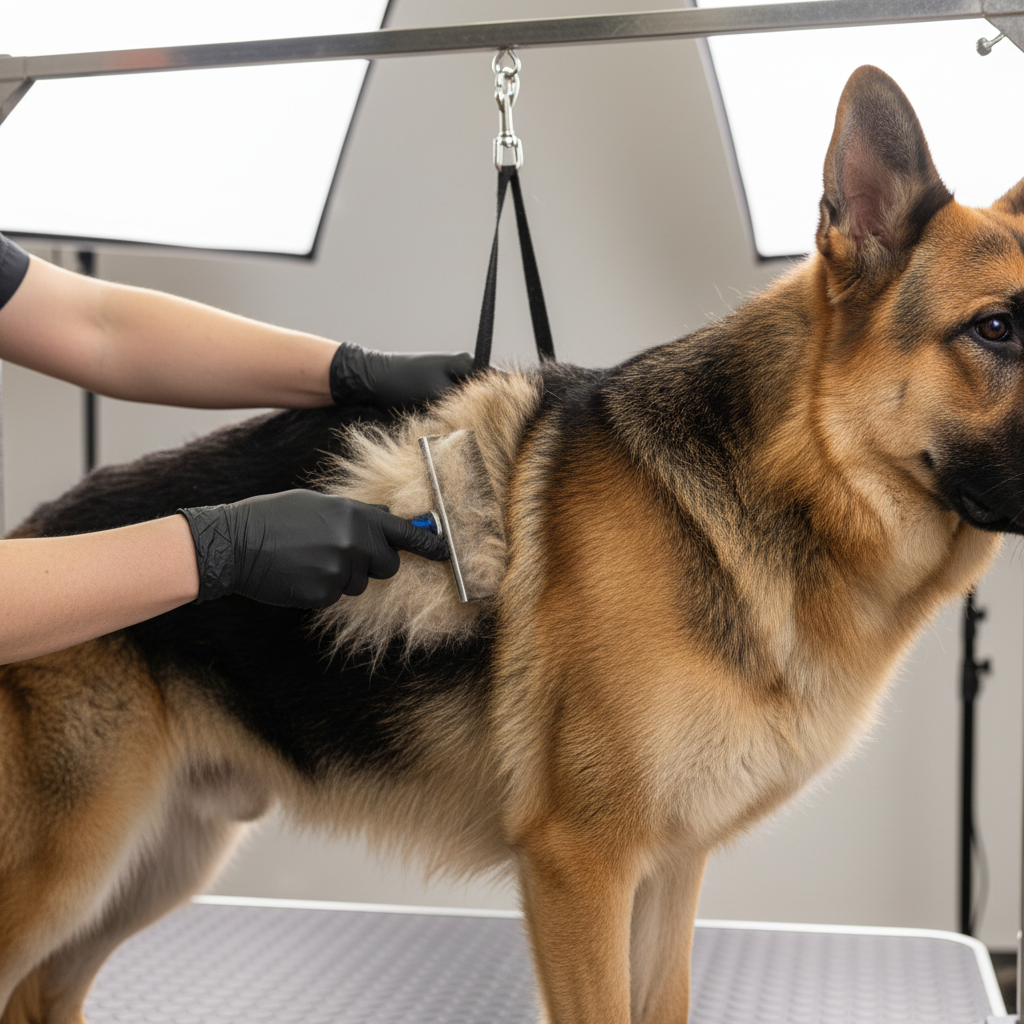
Technique tips that prevent “brush burn”
- Let the tool do the work; pressure is usually what causes irritation.
- Brush in sections (often called line brushing) for thick coats, instead of random surface strokes.
- Don’t camp on one spot; rotate areas every few strokes.
- Stop if skin looks pink or your pet tries to escape, resume later.
Buying checklist: what to look for in a pet hair brush for shedding
There’s a lot of marketing noise here. The build details matter more than fancy claims.
- Pin/teeth quality: rounded tips and consistent spacing help reduce scratching.
- Handle comfort: if your hand cramps, you’ll groom less, simple as that.
- Size match: large heads cover more area on big dogs, smaller tools control better for cats and small breeds.
- Easy cleaning: hair release mechanisms can be helpful, but only if they don’t snag fur.
- Return policy: coat-tool fit is personal, and sometimes you only learn after two sessions.
Quick reality check: one brush rarely does everything. Many households do best with a two-tool combo: one for undercoat, one for finishing.
Common mistakes that make shedding feel worse
Some routines increase loose hair in the air, even if you’re “removing” it. If you’re stuck, check these first.
- Brushing only the top layer and never reaching undercoat on double-coated pets.
- Using a bladed tool too often, which can thin coat and irritate skin, especially on short-haired pets.
- Skipping bathing/drying strategy; for many heavy shedders, a bath plus thorough drying loosens undercoat better than dry brushing alone.
- Trying to “power through” mats; that turns grooming into a fight and can break hair rather than remove shed hair.
- Ignoring indoor humidity; very dry homes often correlate with flakiness and static, a humidifier may help in some climates.
According to the American Kennel Club (AKC), different coat types require different grooming tools and frequency, which is a polite way of saying: copying a neighbor’s brush choice might backfire.
When to consider a groomer or veterinarian
Home grooming covers a lot, but not everything. A professional groomer can help if undercoat is impacted, mats are close to skin, or your pet won’t tolerate brushing without escalating stress.
For medical concerns, a veterinarian is the right next step when you see intense itching, sores, sudden hair loss patterns, or behavior changes around touch. Skin issues can look like “shedding,” and delaying care may prolong discomfort.
Conclusion: less fur starts with the right match, not more force
Heavy shedding usually improves when you match tool to coat, brush in a repeatable routine, and stop treating grooming like a once-a-month marathon. Pick a pet hair brush for shedding that fits your pet’s coat structure, then use it gently and consistently.
If you want an easy starting point, choose a two-tool setup, run the 10–15 minute routine twice a week for heavy periods, and adjust based on your pet’s skin comfort. Your floors will tell you pretty quickly whether it’s working.
FAQ
What is the best pet hair brush for shedding during seasonal coat blow?
For many double-coated dogs, an undercoat rake plus a slicker brush works well because you’re removing loosened undercoat and then tidying the surface. If your pet has sensitive skin, go slower and keep sessions shorter.
Can a deshedding tool damage my pet’s coat?
It can, depending on coat type and how often you use it. Bladed tools can over-thin or irritate skin if used with pressure or repeated passes on the same area, so consider them a targeted tool, not an everyday one.
How often should I use a pet hair brush for shedding?
Many households do fine with 2–3 times a week during heavy periods and less often in quieter months. If the skin looks pink or your pet seems uncomfortable, back off and reassess tool choice and technique.
Why does my pet still shed right after I brush them?
Often you’re only removing surface hair, or undercoat is still releasing for days. A finish comb step, slightly damp wipe-down, and consistent sessions across the week usually reduce that “immediate shed” feeling.
Is brushing a cat different from brushing a dog?
Usually yes, cats tend to prefer shorter sessions and can get overstimulated. Choose smaller tools, use lighter pressure, and stop before the tail flicking and skin twitching escalates.
Should I brush before or after a bath to reduce shedding?
Both can help. A light pre-bath brush removes loose hair, and a thorough post-bath dry can release undercoat that was stuck. If your pet dislikes baths, stick to dry brushing and build tolerance gradually.
My pet hates brushing, what should I do?
Reduce friction points: softer tool, shorter sessions, treat breaks, and avoid sensitive areas until trust builds. If your pet shows fear or aggression, a groomer or trainer may help you create a safer routine.
If you’re trying to cut shedding without turning grooming into a daily battle, it helps to treat brush choice like a coat-specific decision and build a routine you can actually keep, if you’d rather not guess, bring your pet’s coat type and current symptoms to a groomer or veterinarian and ask what tool style fits your situation.