
Pet grooming gloves for dogs can be a surprisingly practical way to grab loose hair before it ends up on your couch, but only if you match the glove to your dog’s coat and your shedding problem.
If you’ve tried brushing and still feel like fur is “floating” everywhere, you’re not alone. Shedding is normal for many dogs, yet the tools people pick are often mismatched, a slicker brush on a short coat, or a glove that’s too soft for a thick undercoat.
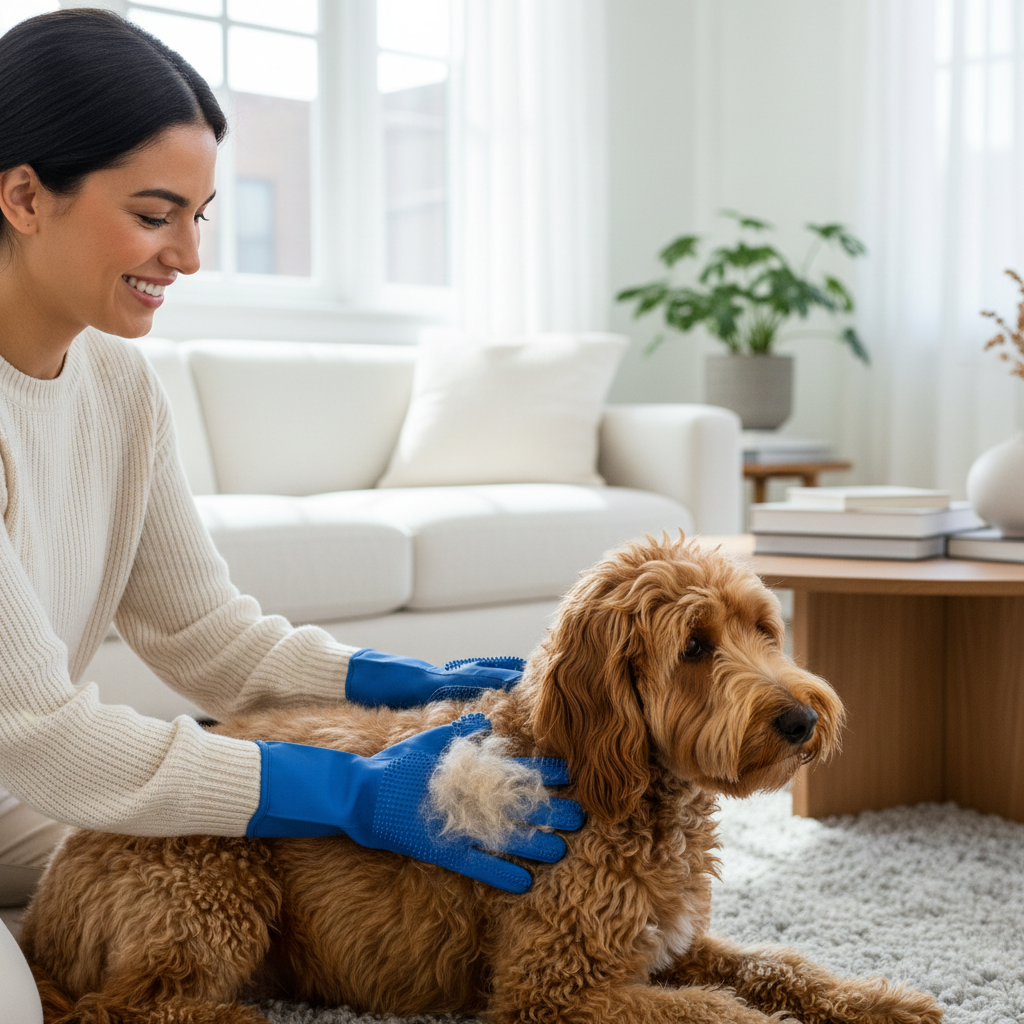
This guide breaks down why gloves work well in some situations and disappoint in others, how to tell what your dog actually needs, and a simple routine that keeps coat care manageable without turning it into a weekend project.
Why dogs shed so much (and what a glove can realistically do)
Most shedding comes from a normal hair growth cycle plus seasonal changes, indoor heating and AC can make it feel nonstop. Stress, skin irritation, or nutrition issues can also amplify it, and that’s when grooming alone may not solve the root problem.
Grooming gloves help mainly by lifting loose topcoat hair and lightly massaging the skin, which can encourage dead hair to release while you pet your dog. They’re not a true “deshedding” tool for heavy undercoat buildup, but they can reduce day-to-day tumbleweeds.
According to the American Kennel Club (AKC) and the American Veterinary Medical Association (AVMA), regular grooming supports skin and coat health, and sudden or excessive shedding can warrant a vet check, especially if you see itching, redness, bald spots, or flaky skin.
Quick coat check: is a grooming glove the right tool for your dog?
Before buying anything, do a quick reality check. A glove is usually a great fit when your goal is “less fur on everything,” not “remove packed undercoat in one session.”
A glove tends to work best for
- Short coats (Labs, Beagles, Pugs): frequent light shedding, hair that releases with friction
- Sensitive dogs who dislike brushes, since gloves feel like petting
- Between-bath upkeep, especially when you want a 5-minute routine
- Finishing passes after brushing, to collect what’s left on the surface
You may need something stronger if
- Double coats (Huskies, German Shepherds): dense undercoat that “packs” and needs rakes/combs
- Curly or wool coats (Poodles, Doodles): gloves can create friction without truly detangling
- Long coats with tangles: mats need targeted tools, not broad palm pressure
What to look for when buying pet grooming gloves for dogs
“One size fits all” is the claim, not the lived experience. Fit and surface design matter more than most listings admit.
| Feature | Why it matters | Best for |
|---|---|---|
| Silicone tip length | Longer tips reach deeper; shorter tips feel gentler | Longer tips for thick coats, shorter for short coats |
| Glove fit & wrist closure | Loose gloves twist, reducing friction and control | Dogs who squirm, fast sessions |
| Breathable backing | Less sweaty hands means you actually use it | Warm climates, longer grooming |
| Easy hair release | Some gloves trap fur and slow you down | Heavy shedders, multi-pet homes |
| Right/left pair vs single | Two gloves speed up, single keeps one hand free | Pair for big dogs, single for detail control |
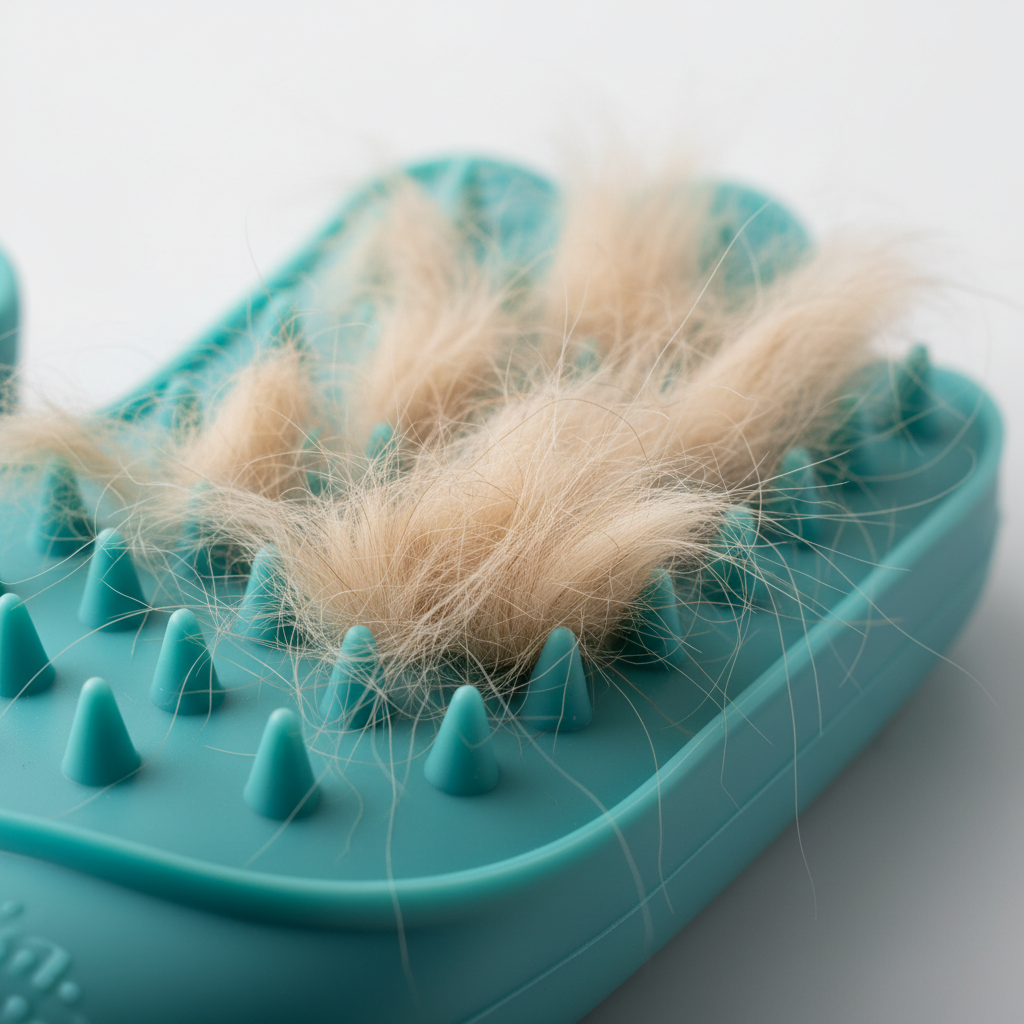
One more buying note that saves frustration: for thick double coats, look for firmer silicone and slightly longer tips, but don’t expect it to replace an undercoat rake during heavy seasonal blow.
How to use grooming gloves for shedding (a routine that actually sticks)
The fastest way to hate a grooming tool is using it like a power tool. With gloves, lighter pressure and more passes usually beats pressing hard.
Step-by-step (10 minutes or less)
- Start dry for most coats. If your dog is damp, hair can clump and tug.
- Pet first, groom second. Do 30 seconds of normal petting so your dog relaxes.
- Go with the grain (head to tail), then do a few gentle cross-strokes on high-shed zones like hips and shoulders.
- Use short sessions. Two 5-minute runs during the week often beats one long battle.
- Peel hair off often and toss it before it re-transfers to the coat.
Where gloves shine
- Chest and sides where dogs usually enjoy touch
- Neck and shoulder areas that shed steadily
- “Final sweep” after a brush to catch floaters
Pairing gloves with other tools: simple combos by coat type
In many homes, the best setup is not a single hero product, it’s a small rotation. If you want less shedding mess, think in layers: loosen, lift, then collect.
- Short coat: glove 2–4x/week, rubber curry brush 1x/week for deeper lift
- Double coat: undercoat rake 1x/week (more during seasonal blow), glove on off-days for surface cleanup
- Long coat: pin brush for line-brushing, metal comb for checks, glove only as a gentle finishing tool
- Curly coat: slicker + comb routine, glove optional for bath time massage rather than detangling
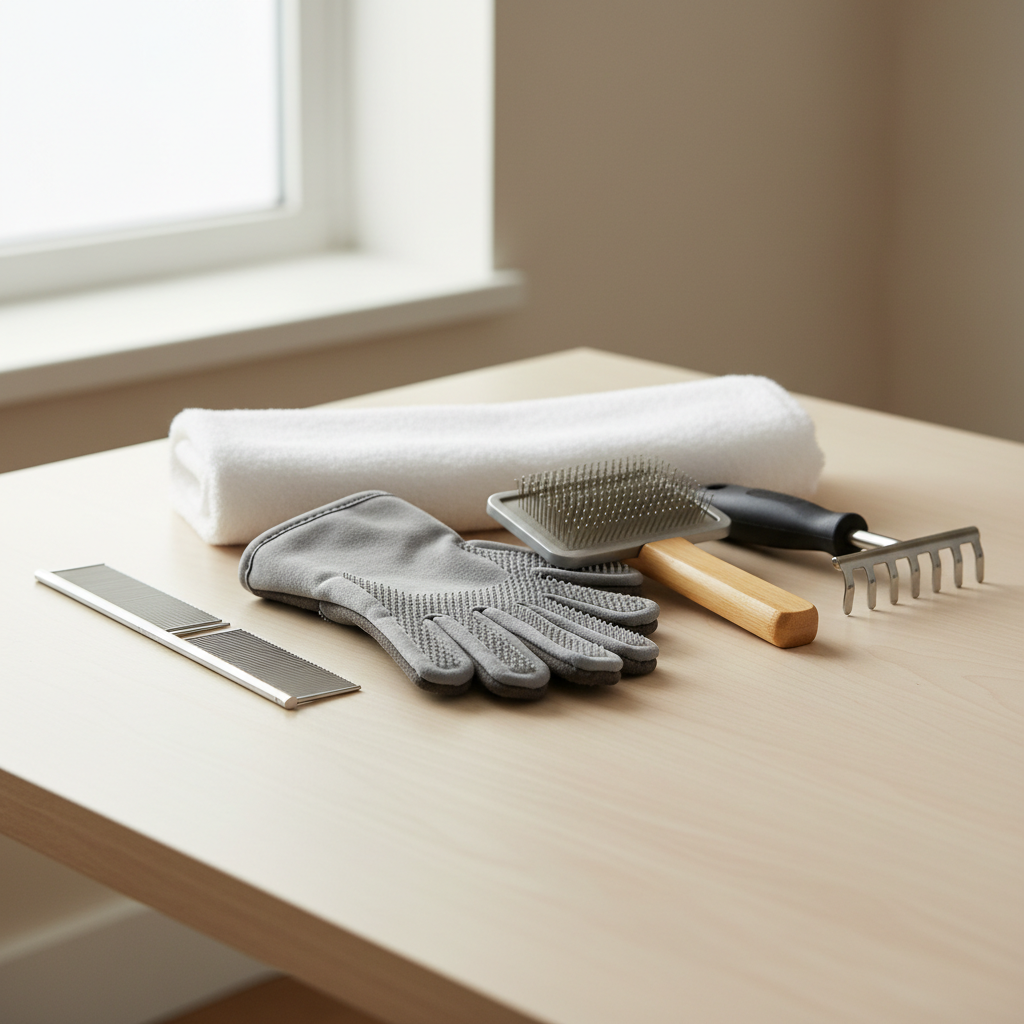
If you’re deciding what to buy first, match it to the “bottleneck.” If fur is mostly on furniture and clothes, a glove can help immediately. If you’re seeing clumps coming out in handfuls, you’re probably dealing with undercoat, and a rake or deshedding comb will do the heavy lifting.
Common mistakes (and how to avoid annoying your dog)
Gloves feel gentler, but they can still cause discomfort if you rush or ignore skin signals. A little technique goes a long way.
- Pressing too hard: can scrape sensitive skin, especially on belly and armpits. Use contact, not force.
- Going over tangles: gloves can tighten small knots. Detangle first with the right tool.
- Over-grooming: daily aggressive sessions can irritate skin. If you see redness, back off and shorten frequency.
- Ignoring debris in the glove: trapped dirt can act like sandpaper. Rinse and air-dry regularly.
- Using right after topical treatments: if your dog has flea/tick or medicated products, follow label guidance and ask your vet when in doubt.
When shedding might be more than “normal”
Some shedding is expected, but patterns matter. If you’re seeing sudden change, your grooming plan may be chasing symptoms.
- Call a vet if shedding comes with intense itching, scabs, odor, hair loss patches, or lethargy.
- Consider a groomer if your dog has heavy undercoat packing, major tangles, or anxiety that makes home grooming stressful.
According to the AVMA, skin issues and parasites can contribute to coat problems, so it’s reasonable to get professional guidance if things look abnormal or persist despite basic grooming.
Key takeaways and a practical next step
Pet grooming gloves for dogs are best viewed as a low-friction habit tool: they help you collect loose fur frequently, keep the coat comfortable, and make grooming feel less like a chore.
- If your dog has a short coat, a glove might be your primary shedding control tool.
- If your dog has a double coat, use a glove between deeper undercoat sessions, not instead of them.
If you want a simple action plan, start with two short glove sessions per week, then adjust based on what you see on the glove and what you still see on your floors.
FAQ
Do pet grooming gloves for dogs actually reduce shedding?
They can reduce the mess by catching loose hair early, especially on short coats. They won’t stop shedding at the source, and they’re less effective on packed undercoat.
Can I use grooming gloves on a double-coated dog like a Husky?
Yes, but think of it as maintenance. During seasonal coat blow, you’ll usually need an undercoat rake or comb to remove deeper hair that a glove can’t reach.
Is it better to use a grooming glove on wet or dry fur?
Dry is often easier because hair releases and peels off the glove cleanly. Wet grooming can work in the bath for massage and shampoo distribution, but it may clump fur and reduce shedding pickup.
How often should I use a grooming glove?
For many dogs, 2–4 short sessions a week is enough to keep loose fur under control. If your dog’s skin gets pink or irritated, reduce pressure and frequency.
Why does my glove stop picking up hair after a few minutes?
It’s usually because the glove surface fills with fur or oils, or you’re only skimming the same area. Peel the fur off, switch zones, and try slightly longer strokes with lighter pressure.
Can grooming gloves cause mats or tangles?
They can worsen small tangles on long or curly coats because the friction pulls hair together. If your dog tangles easily, detangle with a comb or slicker first, then use the glove for a gentle finish.
What if my dog hates brushes but tolerates gloves?
That’s a common win. Use the glove to build tolerance, keep sessions short, and reward calm behavior. If shedding remains heavy, you can gradually introduce a second tool for deeper grooming.
If you’re trying to pick a glove that fits your dog’s coat type and your real-life routine, it often helps to describe your dog’s breed mix, coat length, and where the fur piles up most, then choose a setup that stays simple enough to repeat.