
Dog puzzle toy for boredom works best when you treat it like a “job” that fits your dog’s brain, not just a random toy you toss on the floor. If your dog paces, raids the trash, barks at nothing, or looks restless after walks, a puzzle can turn that extra energy into focused sniffing, licking, and problem-solving.
Why this matters: boredom often looks like “bad behavior,” but it’s frequently unmet mental needs plus too much free time. The right puzzle can slow down fast eaters, add enrichment on rainy days, and give you a repeatable routine that feels like you’re finally ahead of the chaos.
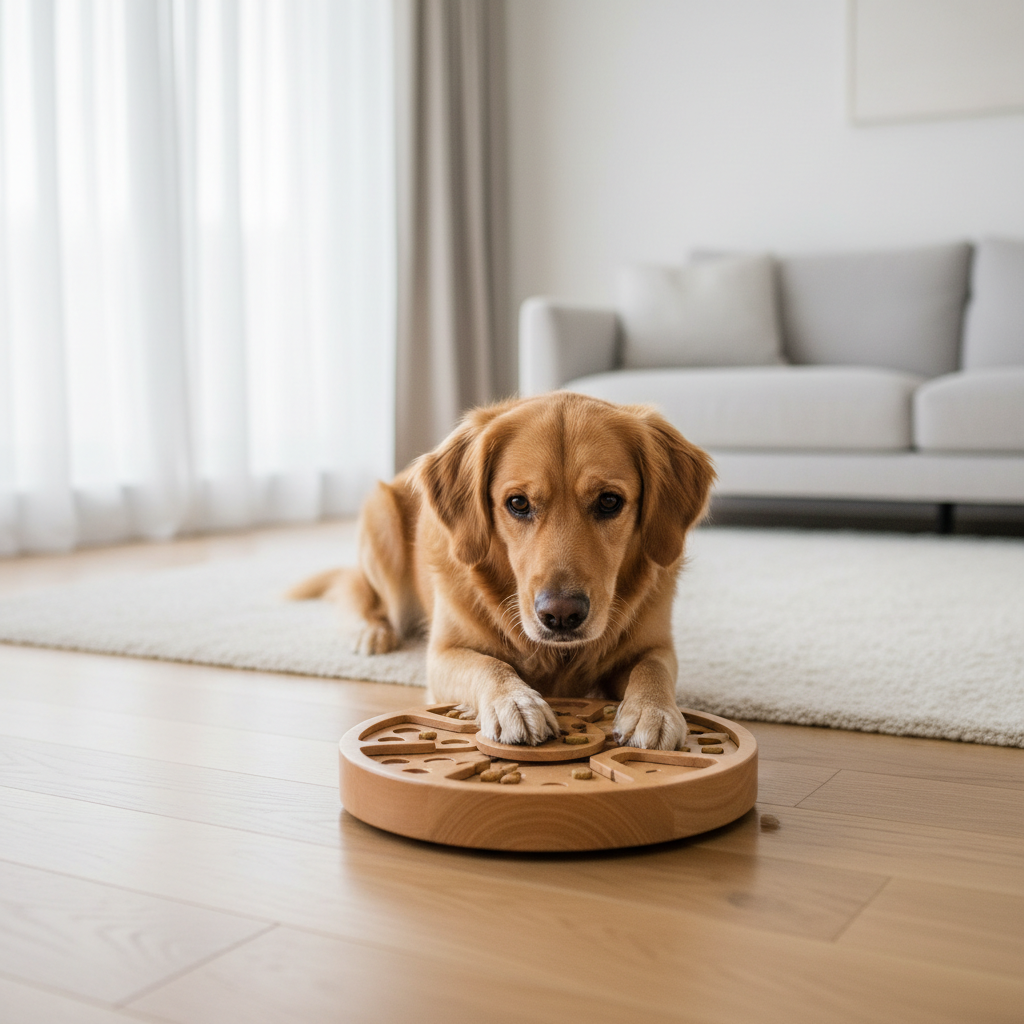
That said, not every puzzle fits every dog. Some dogs need “easy wins” first, some dogs get frustrated fast, and heavy chewers can destroy the wrong style in minutes. This guide helps you pick the right puzzle level, use it safely, and build a simple plan you can actually stick with.
Why dogs get bored (and what a puzzle toy really fixes)
Boredom is less about “not enough stuff” and more about not enough species-appropriate work. Many dogs were bred to search, track, retrieve, herd, or guard. A walk is great, but it doesn’t always scratch the problem-solving itch.
- Underused senses: Dogs process the world through smell first. Puzzle feeders and sniff games give the nose a real task.
- Fast routines: Same route, same schedule, same toys. Dogs notice patterns quickly, then disengage.
- High-drive or young dogs: Adolescents and working breeds often need more mental load than people expect.
- Weather/space limits: Small apartments or hot summers can shrink outdoor time, so enrichment becomes the backup plan.
According to the American Kennel Club (AKC), mental stimulation is a key part of enrichment and can help reduce boredom-related behaviors. A puzzle doesn’t replace exercise, but it can make your dog calmer because it channels energy into concentration.
Types of dog puzzle toys for boredom (quick guide)
Shopping gets confusing because “puzzle” can mean anything from a lick mat to a multi-step slider board. Here’s a practical map of what you’re really buying.
| Type | Best for | Pros | Watch-outs |
|---|---|---|---|
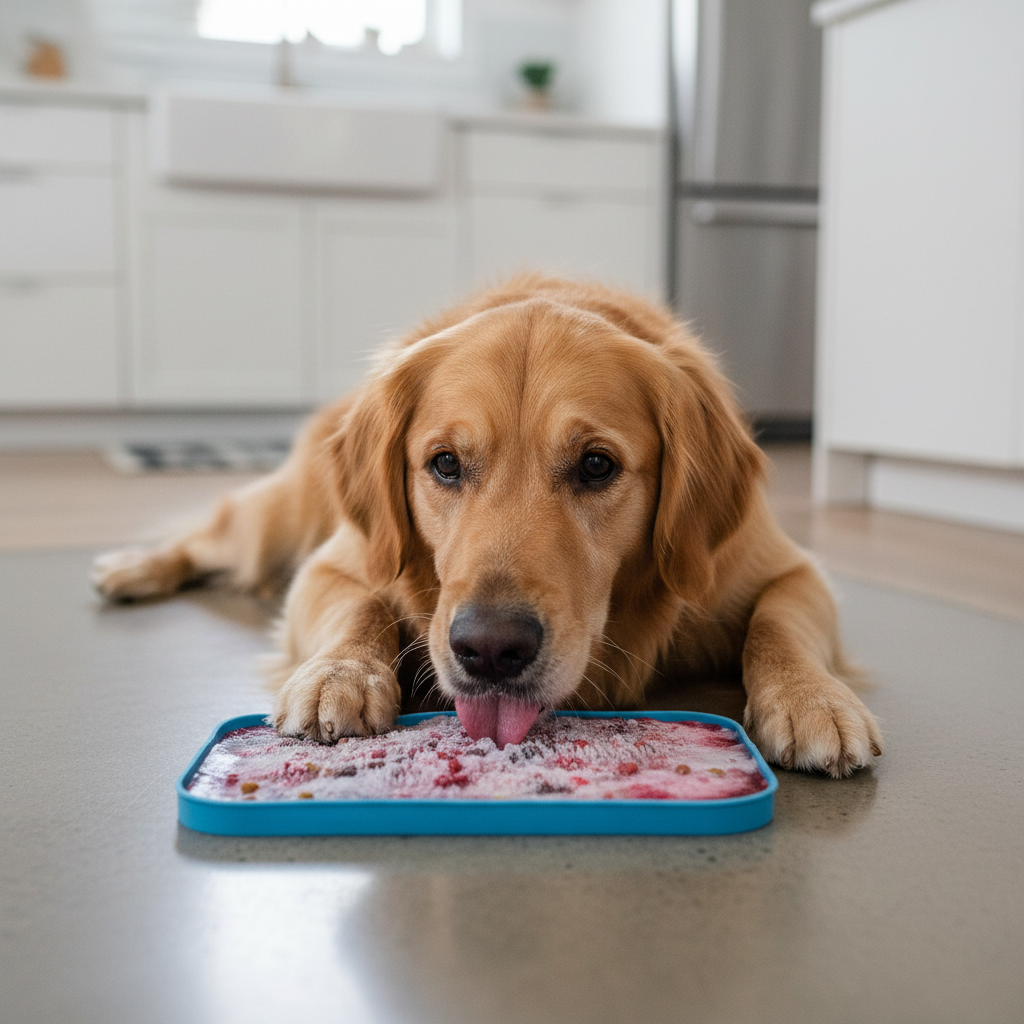
| Lick mats / frozen spread toys | Anxious, easily frustrated dogs | Calming, low difficulty, great for downtime | Not ideal for heavy chewers; supervise |
| Slow feeder bowls | Fast eaters | Easy start, reduces gulping | Some dogs flip them; choose stable base |
| Treat-dispensing rollers | Dogs who like movement | Fun “hunt” vibe, adjustable difficulty | Can be loud on hard floors |
| Snuffle mats | Nose-driven dogs | Great sniff work, low frustration | Needs cleaning; can be shredded by chewers |
| Slider/compartment puzzles | Smart, paw-using dogs | True problem-solving, clear progression | Frustration risk if too hard too soon |
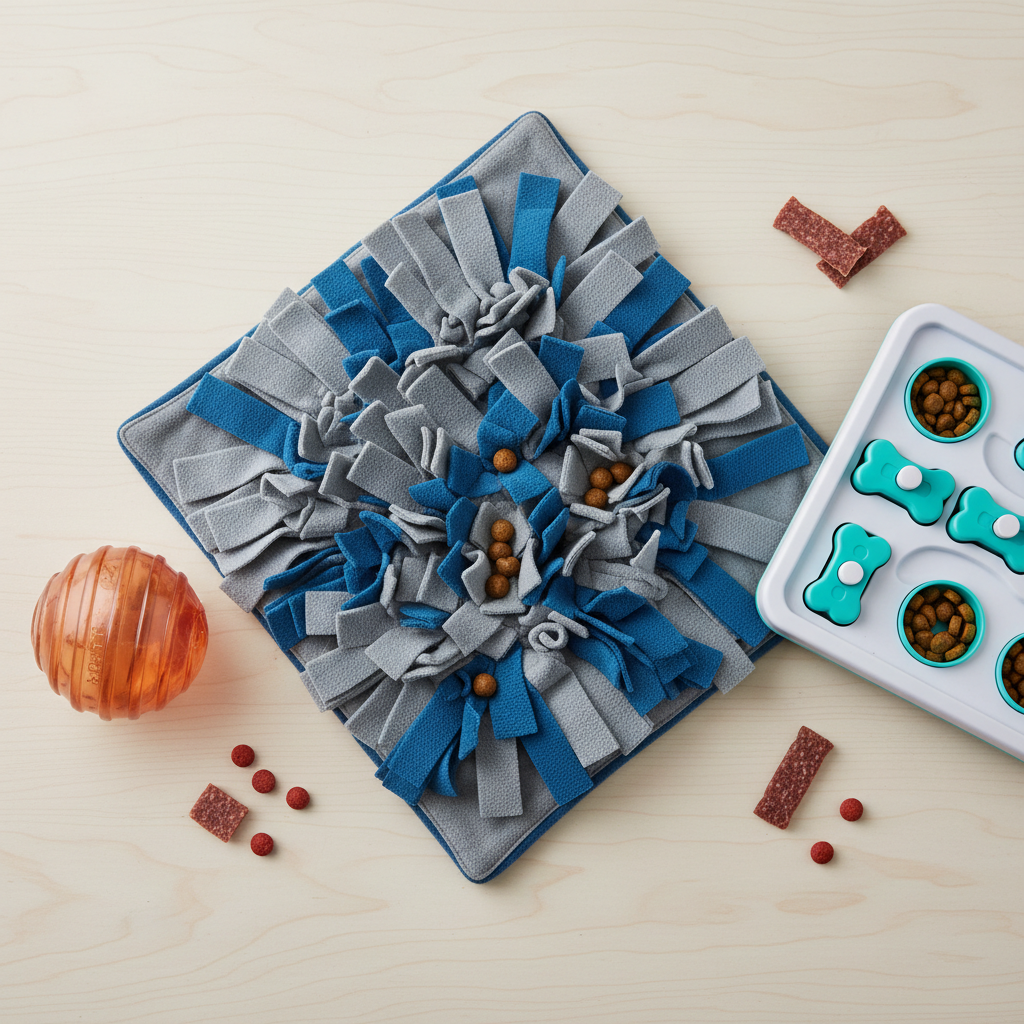
If you’re buying one “starter” option for a dog puzzle toy for boredom, many households do well with a snuffle mat or an adjustable treat-dispensing toy because you can scale difficulty without changing products.
How to tell what level your dog needs (a quick self-check)
Most puzzle failures come from mismatch: too hard and your dog quits, too easy and it becomes a 30-second snack. Use this to place your dog in the right lane.
Beginner signals
- Gives up quickly, then barks or paws you for help
- Walks away after one attempt
- New to treat games, or recently adopted and still settling
Intermediate signals
- Works steadily for 2–5 minutes
- Uses nose first, then paws
- Can solve a treat ball and wants more
Advanced signals
- Solves most puzzles fast and starts “cheating” by flipping or carrying
- Can handle multi-step sliders without getting stuck
- Gets bored with repeated setups unless you vary them
Key point: if your dog’s frustration rises, drop difficulty immediately. You want success to be the habit.
How to introduce a puzzle toy without creating frustration
When people say a dog “isn’t into puzzles,” it’s often because the first experience felt impossible. A simple rollout prevents that.
- Start with visible wins: let your dog watch you place high-value treats in easy spots.
- Limit the session: 3–8 minutes is plenty at first. Quit while your dog is still engaged.
- Use the right reward: soft, smelly treats usually motivate better than dry kibble, especially for beginners.
- Demonstrate once: nudge a slider or roll the toy one time, then let your dog take over.
- End clean: when the treats are gone, calmly pick up the puzzle so it stays “special.”
According to the ASPCA, enrichment should be safe and matched to the animal. In practice, that means supervision early on and choosing materials that fit your dog’s chew style.
Real routines: how to use a dog puzzle toy for boredom day-to-day
The most effective approach is boring in a good way: a few repeatable slots in your day where the puzzle becomes part of your rhythm.
Routine 1: The “busy while I work” block (15–25 minutes total)
- 5–10 minutes: snuffle mat with part of breakfast
- 5 minutes: quick potty break
- 5–10 minutes: lick mat (thin layer, optional freeze)
Routine 2: Post-walk decompression (10–15 minutes)
- Offer a slow feeder or treat roller after the walk
- Keep it easy, the goal is calm settling, not maximum challenge
Routine 3: Rainy-day “two puzzles, one reset”
- Do a short puzzle session
- Then scatter-feed a handful of kibble in a towel or snuffle area
- Finish with a basic cue game: sit, down, touch
For many homes, a dog puzzle toy for boredom works best as a “rotation,” not a single hero product. Two or three options, swapped every few days, tends to keep interest higher.
Safety, cleanup, and common mistakes that waste your money
Puzzles should reduce stress, not create new risks. A few practical cautions go a long way.
- Supervise early sessions: especially with dogs who shred fabric or crack plastic.
- Avoid tiny removable parts: if your dog might swallow pieces, pick simpler, sturdier designs.
- Watch calories: puzzle treats still count. Consider using part of meals instead of extra snacks.
- Don’t jump levels too fast: “My dog is smart” can be true and still not mean “my dog likes hard puzzles.”
- Clean often: food residue can grow bacteria. Follow the manufacturer’s cleaning guidance, and when in doubt, hand wash and fully dry.
Common trap: leaving a puzzle out all day. Many dogs will either ignore it or start chewing it like a stress toy. Short, planned sessions usually work better.
When a puzzle toy isn’t enough (and you should ask for help)
If your dog’s boredom comes with intense anxiety or destructive behavior, puzzles are supportive, but they might not be the main fix.
- Separation anxiety signs like nonstop distress vocalization or self-injury may need a plan from a certified trainer or veterinary behaviorist.
- Sudden behavior changes, restlessness, or agitation can have medical causes, so it’s reasonable to consult a veterinarian.
- Resource guarding around puzzle toys or food can escalate, get professional guidance rather than “testing” your dog.
According to the American Veterinary Medical Association (AVMA), behavior changes can be linked to health issues, and a veterinary check can help rule out medical contributors before you assume it’s “just boredom.”
Key takeaways (save this before you shop)
- Match difficulty to your dog, not to the product’s marketing level.
- Start easy and build confidence before going complex.
- Use puzzles as routines: short, planned sessions beat random use.
- Prioritize safety for chewers, shredders, and dogs who swallow things.
If you want one simple next step, pick a beginner-friendly option, run it for a week, then adjust difficulty based on whether your dog stays engaged for a few minutes without melting down. That’s usually the sweet spot.
FAQ
What is the best dog puzzle toy for boredom for a first-time user?
For many dogs, a snuffle mat or a simple treat-dispensing roller is an easy entry because the rules are intuitive: sniff, nudge, get food. It also lets you adjust difficulty without making your dog feel stuck.
How long should my dog use a puzzle toy each day?
Many dogs do well with 10–20 minutes total, split into short sessions. If your dog gets frantic or starts chewing the toy instead of solving it, shorten the session and lower difficulty.
Can a puzzle feeder replace walks?
Usually no. A puzzle provides mental work, but most dogs still need movement, sniff time outdoors, and social exposure. Think of puzzles as a “bonus job” that makes rest easier afterward.
My dog solves puzzles too fast—does that mean it’s not working?
Not necessarily. If your dog stays calm and satisfied after, it’s still doing its job. You can make it harder by using larger treats less often, adding time with frozen options, or rotating to a different puzzle style.
Are dog puzzle toys safe for aggressive chewers?
They can be, but you’ll want tougher materials and close supervision at the start. If your dog cracks plastic or swallows pieces, it may be safer to use supervised lick-based enrichment or consult a professional for options that fit your dog’s chewing pattern.
Why does my dog bark or whine at the puzzle toy?
That often signals frustration, not “talking back.” Make the puzzle easier, use higher-value rewards, and help once or twice to show the first step, then let your dog finish.
Can I use kibble instead of treats in a dog puzzle toy for boredom?
Yes, and it’s often a smart move for calorie control. If kibble doesn’t motivate your dog, mix in a few smelly bits to keep interest without turning it into a sugar rush.
If you’re trying to choose a dog puzzle toy for boredom and you’d rather not guess, it helps to share your dog’s age, chew style, and what triggers the restless moments, then you can narrow to one or two puzzle types that fit your home routine instead of buying a pile of options that don’t get used.