
Pet hair lint roller reusable tools solve a very specific kind of daily annoyance: fur on black pants, lint on sweaters, and that “I swear I just cleaned” look on the couch.
Disposable sheets work, but the waste and constant refills get old fast, especially in multi-pet homes. Reusable, washable rollers aim to keep the convenience while lowering ongoing cost and trash.
This guide breaks down the main reusable styles, what actually matters when you shop, how to use them without smearing hair around, and when you’re better off switching to another tool entirely.
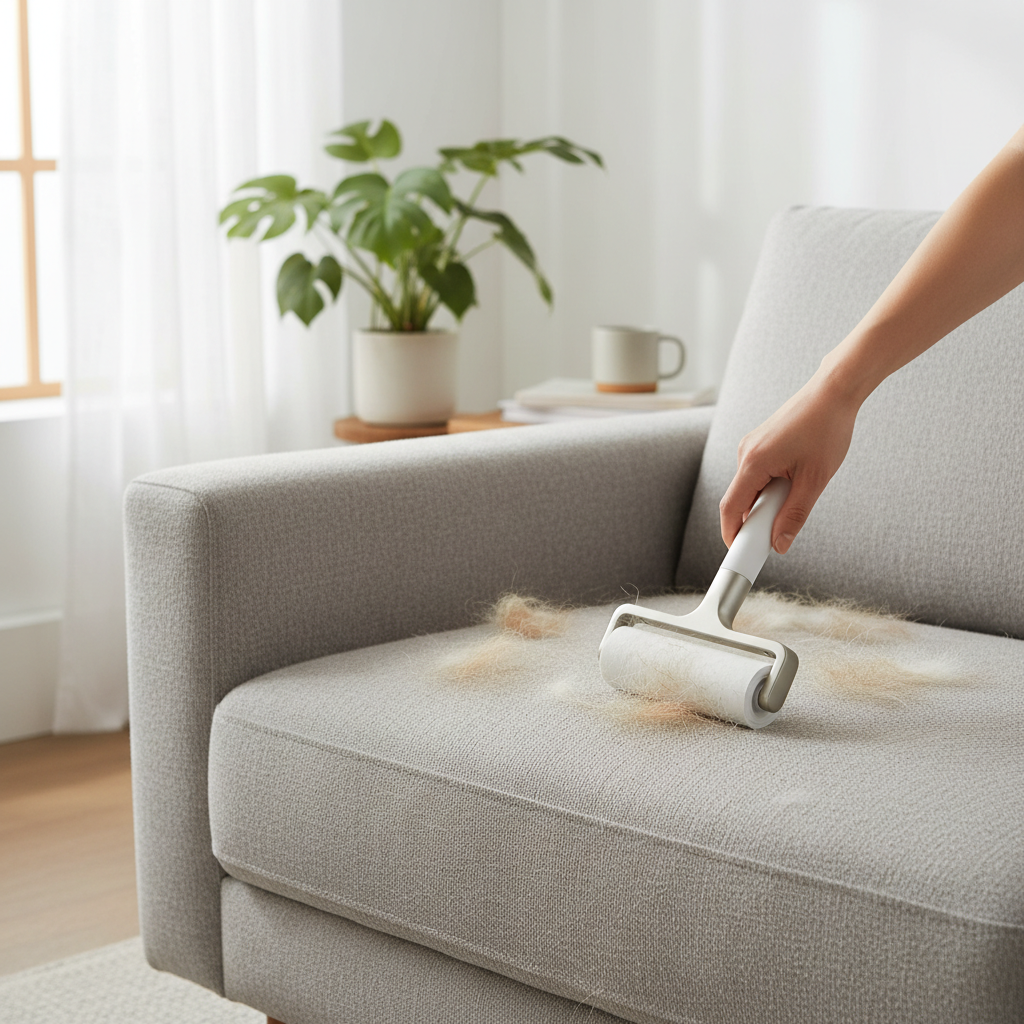
Why pet hair sticks so stubbornly (and why some rollers “fail”)
Hair clings for a mix of reasons: static, fabric weave, and oils from skin and grooming products. If you’ve ever rolled a hoodie and watched the hair stay put, it’s usually because the tool can’t grab what’s embedded between fibers.
- Fabric matters: Fleece, knits, and textured upholstery trap hair deeper than smooth cotton.
- Humidity and static: Dry air often increases static cling, making hair harder to lift cleanly.
- Hair type: Fine undercoat (think husky/corgi shedding) behaves differently than longer guard hairs.
- Tool mismatch: Some reusable rollers rely on tackiness, others on friction, others on silicone micro-grip, and they don’t perform the same across surfaces.
One more practical point: many “doesn’t work” complaints come down to technique. Reusable models often need slower strokes and a bit more pressure than disposable sheets.
Reusable lint roller types: what you’re really buying
“Reusable” gets used loosely. In stores and on Amazon, you’ll usually see three categories, each with a different feel and maintenance routine.
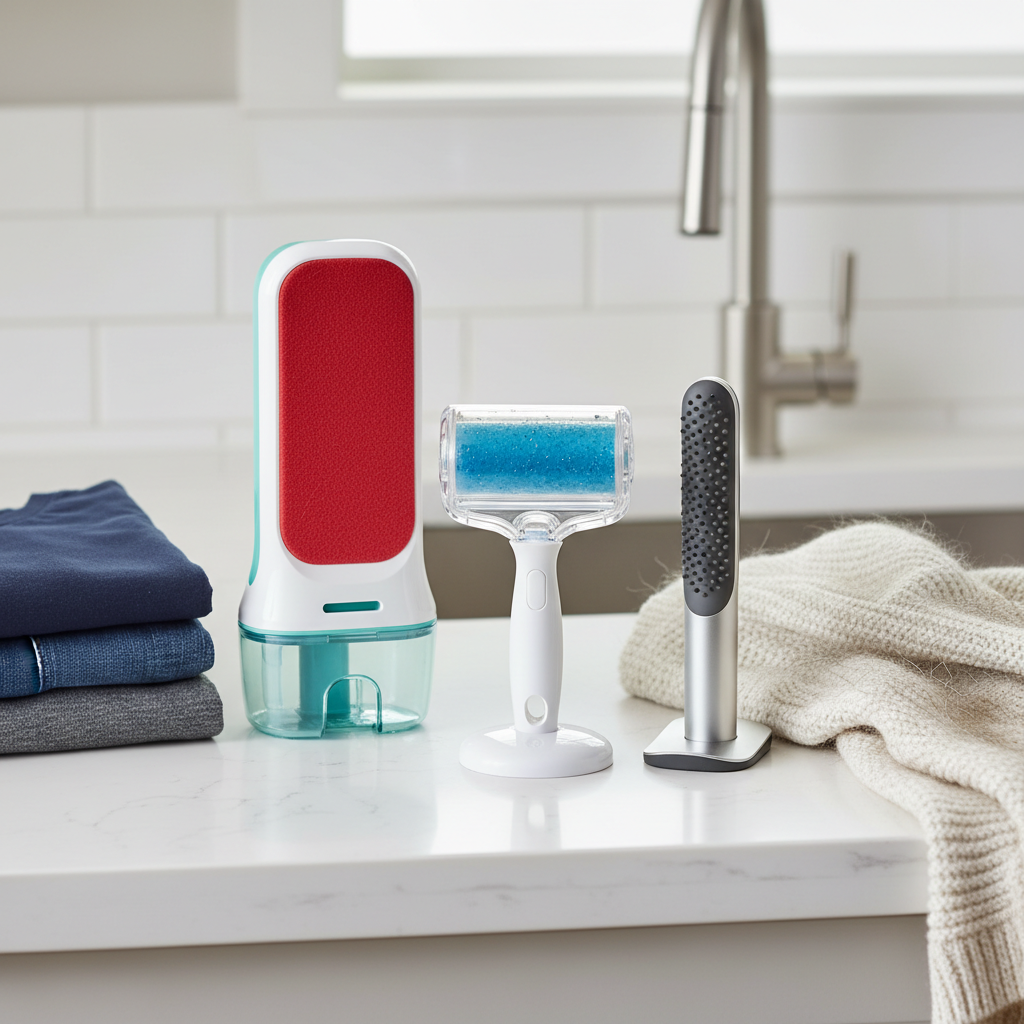
1) Washable gel / sticky rollers
These use a tacky polymer surface you rinse clean. They’re great for quick passes on smooth fabrics, but can lose performance if you scrub them harshly or store them uncovered where dust settles.
- Best for: smooth cotton, car seats, light upholstery, quick touch-ups
- Watch for: surface becoming cloudy, staying damp, or picking up lint but not releasing in the rinse
2) Silicone or rubber micro-grip rollers
These grab hair through friction and micro-texture rather than strong stickiness. They’re typically more consistent over time, and they’re less “grabby” on delicate knits.
- Best for: upholstery, bedding, pet beds, thicker fabrics
- Watch for: needing more pressure on very smooth or tightly woven clothing
3) Self-cleaning fur removers (roller with collection chamber)
These aren’t usually “washable rollers” in the sticky sense. You roll back and forth, and the device pulls hair into a compartment. They can be impressive on furniture, but they’re not always ideal on clothing seams or tight areas.
- Best for: couches, rugs, throws, stairs
- Watch for: reduced pickup on very flat fabric, or if the chamber gets packed
Quick self-check: which tool fits your home?
If you want to avoid buying the wrong “pet hair lint roller reusable” style, answer these quickly. Your pattern matters more than the product photos.
- Mostly clothes (workwear, leggings, sweaters): washable gel or a gentler silicone roller tends to feel safer on fabric.
- Mostly furniture (couch, bed, pet blankets): self-cleaning chamber rollers or silicone grip tools usually cover more area faster.
- Mostly car (seats, trunk liner): silicone grip performs well, gel works if you keep it covered to avoid grit.
- Heavy shedding + undercoat: prioritize a tool that can lift embedded hair, not just surface lint.
- Sensitive fabrics (wool, cashmere blends): avoid very aggressive tacky gels; test in a hidden spot.
Also be honest about maintenance. If you won’t rinse and dry a tool regularly, a chamber-style roller may fit better than a washable sticky surface.
Comparison table: reusable options at a glance
Here’s a practical way to compare, without pretending one tool wins in every situation.
| Type | Best surfaces | Cleaning effort | Typical drawbacks |
|---|---|---|---|
| Washable gel/sticky roller | Clothes, smooth upholstery, car interiors | Rinse + air-dry | Can collect dust/grit, may lose tack if mistreated |
| Silicone/rubber micro-grip | Furniture, bedding, thicker fabrics | Wipe or rinse | May need more pressure on smooth fabric |
| Self-cleaning chamber roller | Couches, rugs, throws, large areas | Empty compartment | Less precise on seams, corners, delicate clothing |
How to use a reusable lint roller so it actually picks up hair
Most reusable rollers work best when you slow down a bit. Fast, light rolling can skate over hair and push it into the fabric.
On clothing
- Lay the garment flat and pull the fabric slightly taut.
- Roll in short passes, then rotate direction, hair often lifts better on the cross-grain.
- For cuffs, collars, and seams, use the edge of the roller rather than the center.
On upholstery and pet beds
- Use longer strokes with moderate pressure, then do a second pass perpendicular to the first.
- If hair is embedded, “scrub” gently with short back-and-forth motion before a clean roll.
- Finish with a light pass to catch what you loosened.
Key point: when the surface starts feeling slick (not grippy), stop and clean it. Pushing through usually just relocates hair.
Cleaning and care: washable doesn’t mean “no maintenance”
Washable rollers are simple, but they’re not carefree. Performance drops fast when the surface gets coated with skin oils, detergent residue, or fine dust.
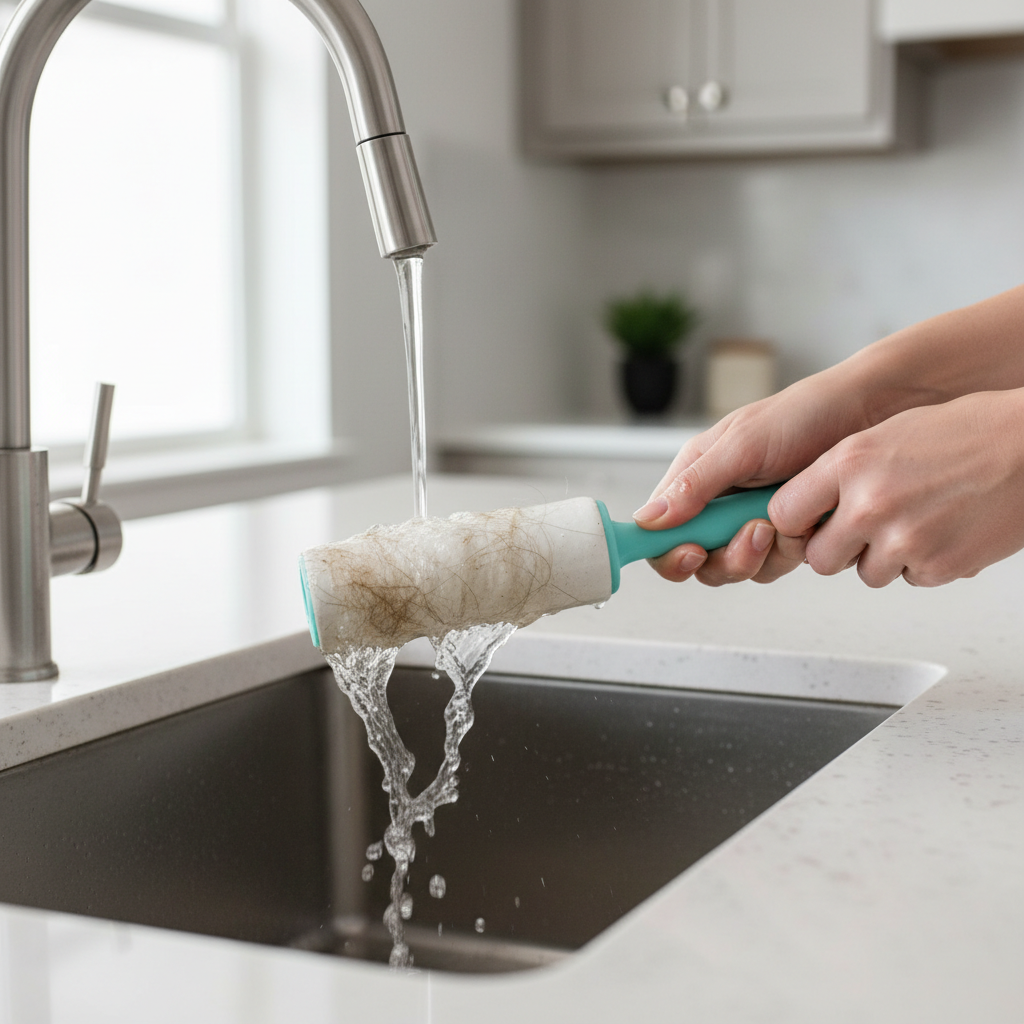
- Rinse with cool to lukewarm water; very hot water can shorten the life of some tacky polymers.
- Skip harsh cleaners unless the brand specifically recommends them, mild dish soap is often enough.
- Air-dry fully before storing, a damp surface attracts lint and can feel less sticky.
- Keep a cover or case on the roller, especially if you store it in a drawer with fuzz.
If you’re dealing with a roller that feels “permanently dirty,” it’s often residue. A gentle soap rinse, thorough air-dry, and a covered storage spot fixes a lot of it.
Common mistakes (the ones that waste your time)
- Using a washable sticky roller on gritty surfaces: sand and dust can scratch or dull the surface, then it stops grabbing hair.
- Rolling over wet fabric: moisture changes friction and can smear hair instead of lifting it.
- Expecting one tool to replace everything: for heavy shedding, you may still want a vacuum with a pet brush head for carpets.
- Skipping a test patch on delicate fabric: tacky surfaces can tug at loose knits.
- Not cleaning often enough: reusable tools need quick resets, that’s the tradeoff for no refills.
According to the American Kennel Club (AKC)... regular grooming can reduce loose hair in the home, which usually makes any lint tool work better and faster.
When you might need a different approach
A pet hair lint roller reusable model is great for day-to-day cleanup, but some scenarios call for other tools.
- Carpet or rugs packed with fur: a vacuum with a motorized brush or a rubber broom often makes more sense.
- Allergies or asthma concerns: you may want to ask a healthcare professional about managing exposure, and consider an air purifier plus frequent washing of textiles.
- Static-heavy season: a light anti-static spray designed for fabrics can help, but spot test first and follow label directions.
- Shedding spikes: when seasonal shedding hits, grooming frequency usually matters as much as the tool choice.
Conclusion: picking the “right reusable” is about your surfaces
If your main battle is clothes and quick touch-ups, a washable gel roller can be a solid everyday fix as long as you rinse and store it properly. If you’re fighting couches, blankets, and pet beds, silicone grip or a chamber-style roller often feels more efficient.
Try one tool that matches your most annoying surface, use slower strokes, and clean it before it looks “too dirty.” That small routine is what makes reusable options pay off over time.
FAQ
What is the best pet hair lint roller reusable option for clothing?
For clothing, many people prefer washable gel rollers or gentler silicone rollers because they’re easy to maneuver on seams and smaller areas. If you wear delicate knits, test first to avoid tugging.
Do washable lint rollers lose their stickiness?
They can, especially if the surface gets scratched, coated with residue, or stored uncovered. In many cases, a mild soap rinse and full air-dry brings back performance, but materials vary by brand.
Can I use dish soap to clean a reusable lint roller?
Often yes, a small amount of mild dish soap helps break down oils and improves pickup. Avoid harsh cleaners unless the manufacturer recommends them, since some polymers degrade over time.
Is a self-cleaning pet hair remover the same as a reusable lint roller?
Not exactly. Self-cleaning rollers collect hair in an internal compartment and excel on furniture, while washable sticky rollers rely on a tacky surface and feel more precise on clothes.
Why does my roller leave hair behind in little lines?
This usually happens when the surface is overloaded or the fabric is textured and you’re rolling too fast. Clean the roller, slow down, and change direction so you lift hair from different angles.
Can reusable rollers help with cat hair on black clothes?
Yes, but results depend on fabric and hair type. On smooth black tees they work well; on textured sweaters you may need multiple passes or a different tool like a fabric brush.
What’s the most low-maintenance option for a multi-pet home?
If you want minimal cleaning, a chamber-style roller can be easier day to day since you mostly empty the compartment. You may still want a washable roller for tight clothing areas.
If you’re trying to reduce the constant cycle of buying refills, a reusable washable roller is a practical place to start, and if you tell me your main surfaces and pet type, I can help narrow which style is more likely to feel satisfying in real use.