
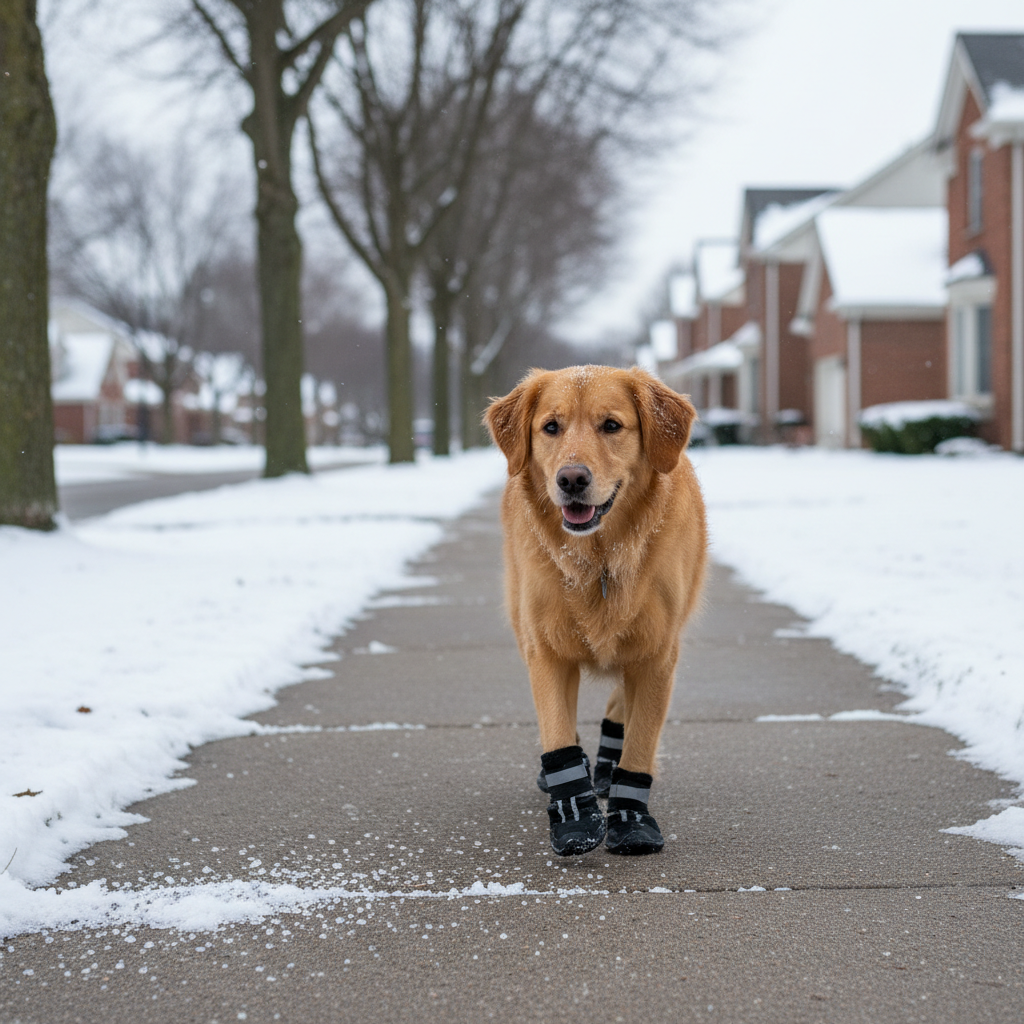
Best dog boots for winter choices come down to three real-world things: traction on slick surfaces, protection from salt and ice, and a fit that stays on when your dog decides to sprint in fresh snow.
If you have ever watched your dog “high-step” across a salted sidewalk or pull a paw up mid-walk, you already know why this matters. Winter paw issues are common, and the fix is rarely complicated, it is usually about picking the right boot style for your dog’s routine and being honest about what they will tolerate.
This guide focuses on how to choose, how to measure, what features are worth paying for, and when skipping boots might be the smarter move. I also included a quick comparison table to keep the options straight.
What winter boots actually protect against
Boots are not just about “warmth,” a lot of the value is barrier protection. In many U.S. cities, winter walking means de-icers, gritty sand, frozen slush, and surprise sharp ice.
- Salt and de-icers: can irritate paw pads, and many dogs lick their feet after walks, which is not ideal.
- Ice crust and packed snow: can cut or abrade pads, especially on longer walks.
- Cold surfaces: small dogs, seniors, and short-coated breeds often feel it sooner, though tolerance varies.
- Slips: traction helps on icy sidewalks, stairs, and plowed, refrozen driveways.
According to the AVMA (American Veterinary Medical Association), pet owners should watch for winter hazards like ice-melting chemicals and consider protective gear when conditions call for it.
Quick “do I need boots?” checklist
Some dogs genuinely do fine with trimmed fur, paw balm, and shorter walks. Others need boots almost every outing. Use this as a fast self-check before you spend money.
- Your area uses road salt or chemical de-icers most days.
- Your dog lifts paws, limps briefly, or stops to lick feet during winter walks.
- You do long walks on plowed paths where snow turns to gritty ice.
- Your dog has thin pads, a history of cracked pads, or is recovering from a paw injury.
- You have a senior dog with less stable footing on slick surfaces.
If none of these match, you might still want boots for occasional storms, but you may not need an “expedition” model.
How to choose the best dog boots for winter (features that matter)
The hard truth is that “best” depends on your dog’s shape and your winter. A boot that is perfect for dry powder can be annoying in wet slush. Focus on a few make-or-break details.
1) Fit and stay-on security
Most complaints about winter dog boots are really fit issues. Look for a boot with a secure closure system and a shape that matches your dog’s paw and leg.
- Two straps usually hold better than one, especially for energetic dogs.
- Higher gaiter helps keep snow out, but can rub dewclaws on some dogs.
- Wide opening matters if your dog has thick fur or wide paws.
2) Outsole traction and flexibility
Traction is not just “deep tread.” Too-stiff soles can make some dogs refuse to walk. You want grip plus a natural stride.
- Rubber outsole with a defined tread pattern for ice and packed snow.
- Moderate flexibility so the paw can bend a bit when walking.
- Edge coverage that wraps slightly up the toe helps in slush.
3) Water resistance and insulation
For many U.S. winters, wet slush is the real enemy. “Waterproof” is often marketing language, so read it as “more resistant than fabric.”
- Water-resistant uppers are enough for most city walks.
- Sealed seams help but can reduce breathability.
- Light insulation is usually plenty; too much can trap moisture.
Winter dog boots comparison table (styles, pros, trade-offs)
If you are shopping “best dog boots for winter” lists, the models can blur together. Thinking in boot types helps you narrow fast.
| Boot style | Best for | Typical strengths | Common trade-offs |
|---|---|---|---|
| Grip-focused rubber sole boot | Icy sidewalks, stairs, plowed streets | Strong traction, good pad protection | Can feel stiff, fit matters a lot |
| Water-resistant softshell boot | Wet slush, mixed conditions | Comfortable, lighter, decent weather protection | May wear faster on rough pavement |
| High gaiter snow boot | Deep snow, off-leash snow play | Keeps snow out, warmer feel | Can rub, can overheat during active play |
| Disposable/balloon-style paw covers | Quick salt protection, short potty breaks | Cheap, lightweight, easy to pack | Low traction, tears easily, not for long walks |
Most owners do best starting with a traction-focused boot for daily walks, then adding a lighter backup option if your dog hates stiff soles.
Measuring and fitting: the part that decides success
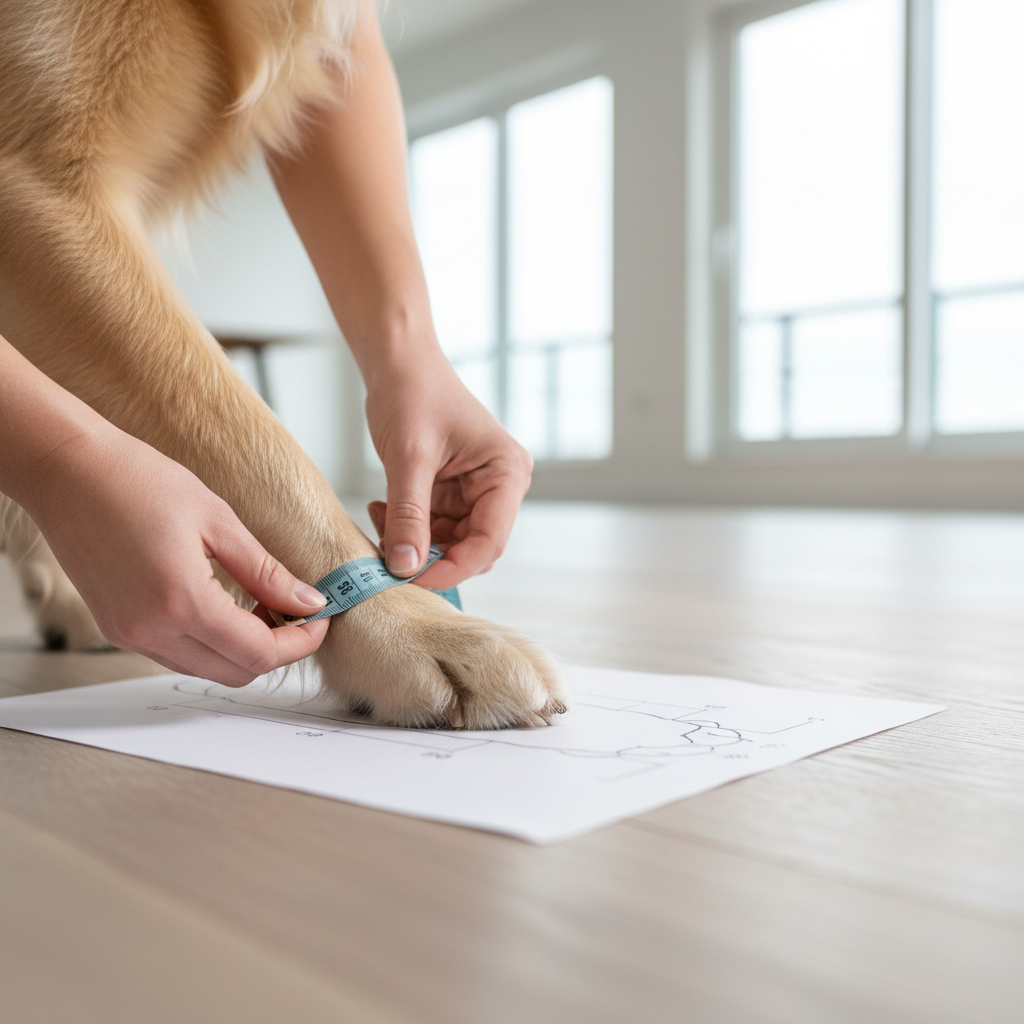
Even the best winter boot fails if it twists, slides, or pinches. Plan to measure when your dog is calm, and assume you may try two sizes.
How to measure at home
- Have your dog stand with weight on the paw, then measure width at the widest point.
- Measure length from heel pad to the tip of the longest nail.
- Compare to the brand’s chart, then choose the size that fits the width first in most cases.
Fit check in 60 seconds
- Toe room: nails should not press into the front when standing.
- No twist: boot stays aligned after a short walk in the hallway.
- Secure strap: snug enough to hold, not so tight it leaves a deep indent.
- Gait test: your dog can walk normally after a brief adjustment period.
One practical tip: trim nails and tidy paw fur before you judge the size, long nails can push the boot off faster than you expect.
Getting your dog to wear boots without a daily argument
The biggest barrier is not the product, it is acceptance. Many dogs need a short ramp-up, and pushing too hard often backfires.
- Start indoors, 1–2 minutes, then remove and reward calm behavior.
- Use boots for a purposeful, short walk rather than letting your dog stand and think about them.
- If your dog “freezes,” try front paws only for a few sessions, then add rear paws.
- Keep the first outdoor session on a familiar route, avoid deep snow right away.
Some dogs never love boots, they tolerate them. That is still a win if paws stay protected.
Care, maintenance, and when to skip boots
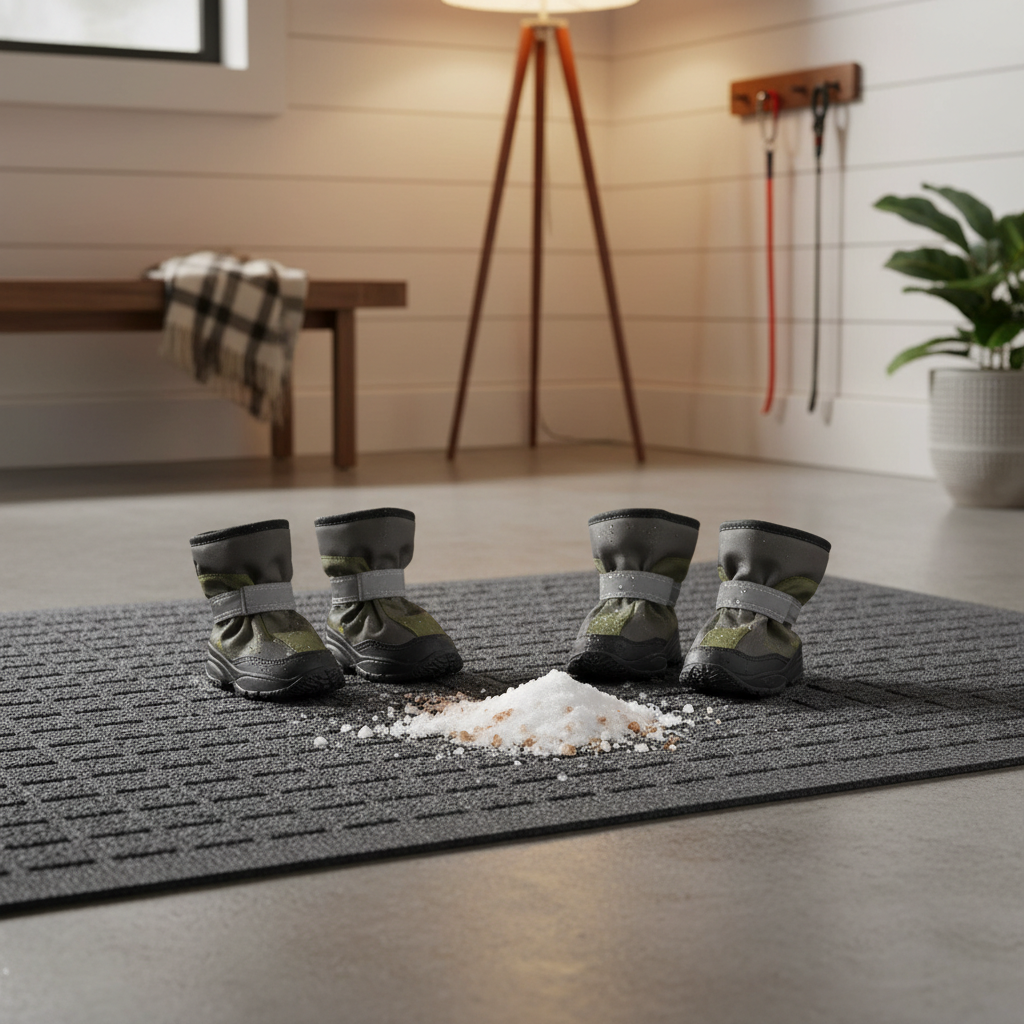
Winter gear gets gross fast. A quick routine makes boots last longer and keeps your dog from dealing with trapped moisture.
- Rinse or wipe after walks, especially if de-icers are present.
- Dry thoroughly, damp boots can cause rubbing and skin irritation.
- Check straps and seams weekly, small tears turn into “lost boot” moments outside.
There are also times when boots are not the right answer. If your dog has sores between toes, a persistent limp, or repeated cracking and bleeding, boots might hide the problem rather than solve it.
According to the ASPCA, winter hazards like ice melt and cold exposure can affect pets in different ways, and owners should monitor paws and skin closely during cold weather.
Common mistakes that make “best dog boots for winter” feel like a scam
- Buying for looks: cute designs often ignore traction and closure quality.
- Over-tightening straps: can cause swelling and discomfort, then your dog fights the boots.
- Assuming waterproof means dry forever: slush finds gaps, so plan to dry boots after use.
- No training time: expecting a dog to accept boots instantly sets you up for frustration.
- Ignoring dewclaws: tall boots can rub, especially on active dogs.
When to ask a vet or groomer for help
If you see recurring redness, cracked pads that do not improve, or your dog keeps licking paws after every winter outing, it is reasonable to ask your veterinarian. Skin issues, allergies, and fungal infections can look like “winter irritation,” and guessing wastes time.
A groomer can also help with practical fixes like paw fur trimming and nail maintenance, which often improves boot fit and reduces slipping. If your dog has orthopedic issues, a vet may recommend specific traction strategies that go beyond footwear.
Key takeaways and a simple buying plan
If you want the best dog boots for winter in 2026, prioritize fit and traction, then match the material to your local conditions. Most people get better results buying one solid everyday pair rather than chasing the most “extreme” boot on the shelf.
- City + salt: traction-focused rubber sole + easy-to-clean uppers.
- Wet slush: water-resistant softshell, moderate tread, dry after every walk.
- Deep snow play: higher gaiter, snow-blocking design, watch for rubbing.
Your next step is simple: measure paws tonight, shortlist two boot styles that fit your winter, then plan three short training sessions indoors before you head into the next storm.