
how to groom long hair cat at home usually comes down to two things: a predictable routine and the right tools for your cat’s coat type. If you try to “power through” mats or brush when your cat is already annoyed, grooming turns into a fight fast.
The payoff is real though, long coats tangle easily, swallow more hair during self-grooming, and hide skin problems until they get worse. A calm, consistent approach helps you prevent mats, cut down shedding around the house, and spot issues early without stressing your cat out.
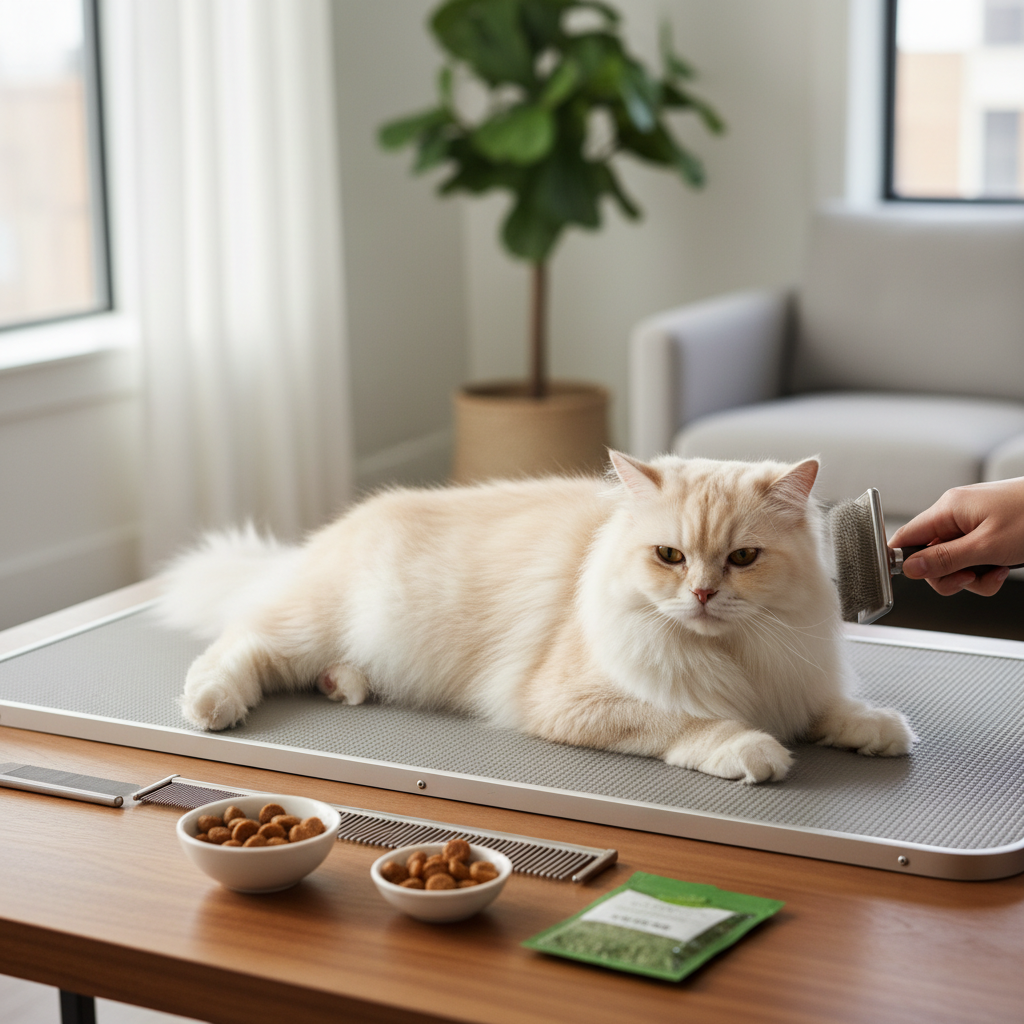
This guide focuses on practical steps you can repeat, plus quick checks to decide whether you can handle a problem at home or whether it’s time to call a groomer or vet. No hero moves, just what tends to work in real households.
Why long-haired cats get messy fast (and what that means for your routine)
Long-haired coats are beautiful, but they behave differently than short coats. Most people think “more brushing” is the fix, but the type of brushing matters as much as frequency.
- Friction zones form mats: behind ears, armpits, belly, inner thighs, and under collars or harnesses.
- Fine undercoat tangles: many long-haired cats have a dense undercoat that compacts into felted mats if it’s not combed through.
- Static and dry air: winter heat and low humidity often increase flyaways and tangling.
- “Sensitive spots” create avoidance: if grooming hurts once, many cats remember and resist next time.
According to the American Veterinary Medical Association (AVMA), regular grooming supports skin and coat health and can help owners notice parasites or skin issues earlier. That’s the real win: grooming is both maintenance and a quick health scan.
Quick self-check: what kind of grooming does your cat actually need?
Before you buy three new brushes, figure out what you’re dealing with. Use this checklist after your cat has relaxed, not right after playtime.
- Light shedding, no knots: you can likely maintain with a slicker + comb, 2–4 short sessions per week.
- Small tangles you can separate with fingers: add a detangling spray and increase combing in friction zones.
- Mats that feel like “tight pads”: you may need dematting technique or a professional, pulling can injure skin.
- Greasy coat, dandruff, or odor: bathing might help, but persistent issues can relate to diet, grooming limits, or skin disease, ask a vet if it continues.
- Cat won’t tolerate touch: your project is behavior and handling first, coat perfection later.
Key point: If you can’t slide a metal comb through to the skin in common mat zones, brushing the top layer alone may make things look better without fixing the tangle underneath.
Tools that make grooming easier (and what each one is for)
You don’t need a salon kit, but the tools should match long coat reality. Here’s a practical table to keep choices simple.
| Tool | Best for | What to watch out for |
|---|---|---|
| Slicker brush | Surface tangles, fluffing, light shedding | Can scratch if pressed hard; use gentle, short strokes |
| Metal comb (wide + fine teeth) | Checking to the skin, undercoat tangles, “line combing” | If it snags constantly, slow down and detangle in sections |
| Detangling spray (cat-safe) | Reducing friction, loosening small knots | Avoid eyes and mouth; skip heavy fragrances |
| Dematting tool (used carefully) | Breaking up stubborn mats near coat surface | Easy to overdo and cut hair; avoid thin-skin areas |
| Cat nail trimmers | Less scratching during grooming, safer handling | Trim only the sharp tip; ask a pro if unsure |
If you’re learning how to groom long hair cat coats, a metal comb is often the real difference-maker. The brush makes it pretty, the comb makes it true.
A low-stress grooming routine you can repeat (10 minutes is enough)
The easiest routine is the one your cat tolerates. Keep sessions short, stop while you’re “winning,” and pair grooming with something your cat values.
Step 1: Set the scene
Pick a stable surface, keep a towel under your cat, and have treats ready. Many cats do better after a meal or a calm nap window.
Step 2: Quick body scan with your hands
Run fingers through behind the ears, armpits, belly edge, and tail base. If you feel knots, don’t start brushing fast, slow down and isolate the spot.
Step 3: Brush the top coat lightly
Use a slicker with gentle strokes in the direction of hair growth. You’re not “scrubbing,” you’re organizing the coat.
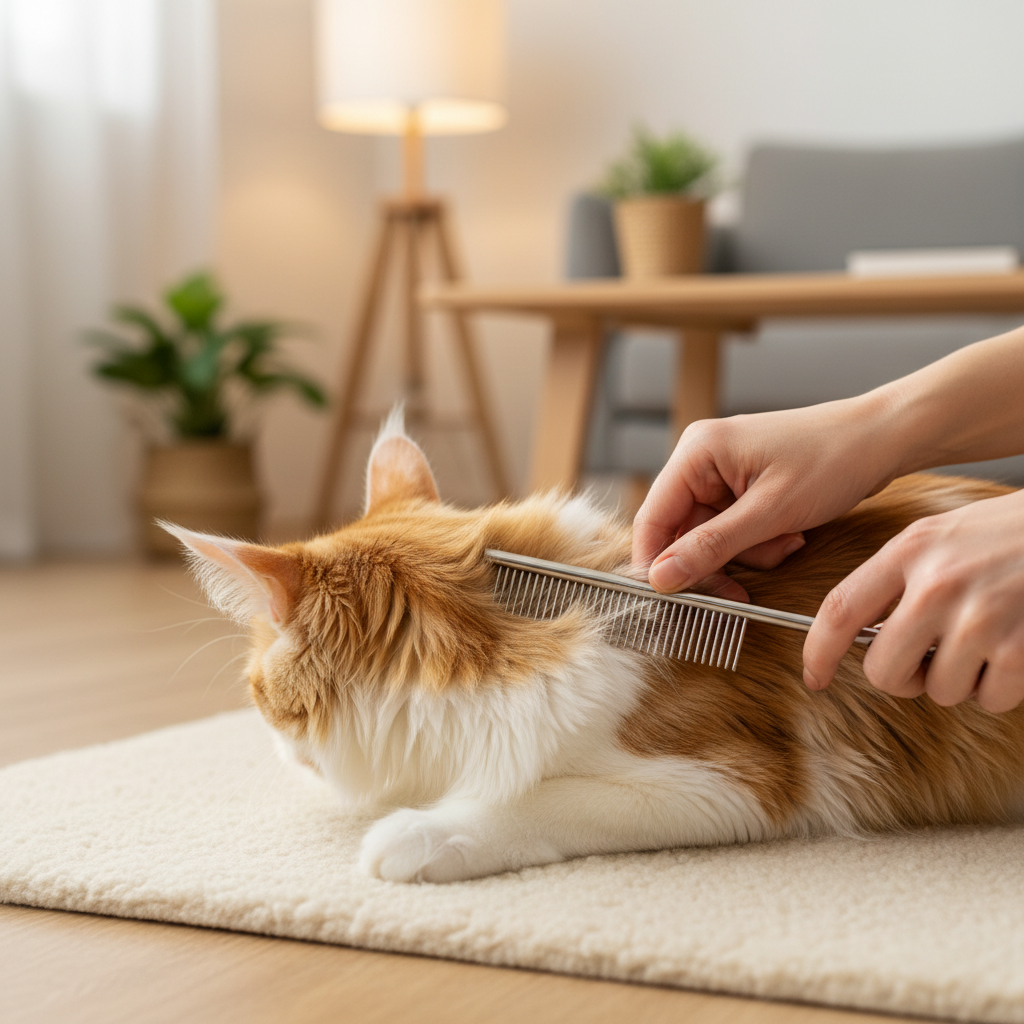
Step 4: Line comb to the skin in problem zones
Part the fur in a thin line, then comb from the skin outward. Work one small section at a time, especially on the chest ruff and pants.
Step 5: Reward and stop early
End with a treat or a favorite activity. The goal is to make the next session easier, not to finish every inch today.
In many homes, this schedule works: 3–5 short sessions weekly for heavy coats, plus a longer session on the weekend. If your cat mats quickly, daily “armpits and behind-ears” checks save you a lot of trouble.
How to deal with tangles and mats without hurting your cat
Mats are where grooming goes off the rails. If you remember only one thing, remember this: pulling a mat pulls skin, and cat skin can tear more easily than people expect.
For small tangles (early stage)
- Spray a small amount of cat-safe detangler onto your hands, then smooth it over the tangle.
- Use fingers to gently split the knot into smaller pieces.
- Comb the ends first, then move closer toward the skin.
For tight mats (medium to advanced)
- Hold the hair at the base (near the skin) with your fingers to reduce tugging, then work the outer edge.
- If you use a dematting tool, do a few careful passes, then reassess. It’s easy to overcut.
- Avoid scissors for mats close to skin, accidents happen fast, even with “rounded tips.”
When people search how to groom long hair cat mats, they often want a quick hack. Reality check: if the mat is felted, large, or near thin-skin areas, the safest path is often a groomer or vet clinic shave-down.
Bathing, drying, and hygiene trims: optional, but sometimes worth it
Not every long-haired cat needs regular baths, but some situations benefit from one, especially greasy coat, allergy season grime, or a messy rear end. According to the ASPCA, cats typically groom themselves well, but some cats may need occasional bathing, and owners should use cat-appropriate products.
Bathing tips that reduce drama
- Brush and comb first, water tightens tangles.
- Use lukewarm water and a cat-specific shampoo, avoid essential oils unless your vet approves.
- Rinse longer than you think, leftover product can irritate skin.
- Towel blot, don’t rub, then consider a low-heat dryer only if your cat tolerates it.
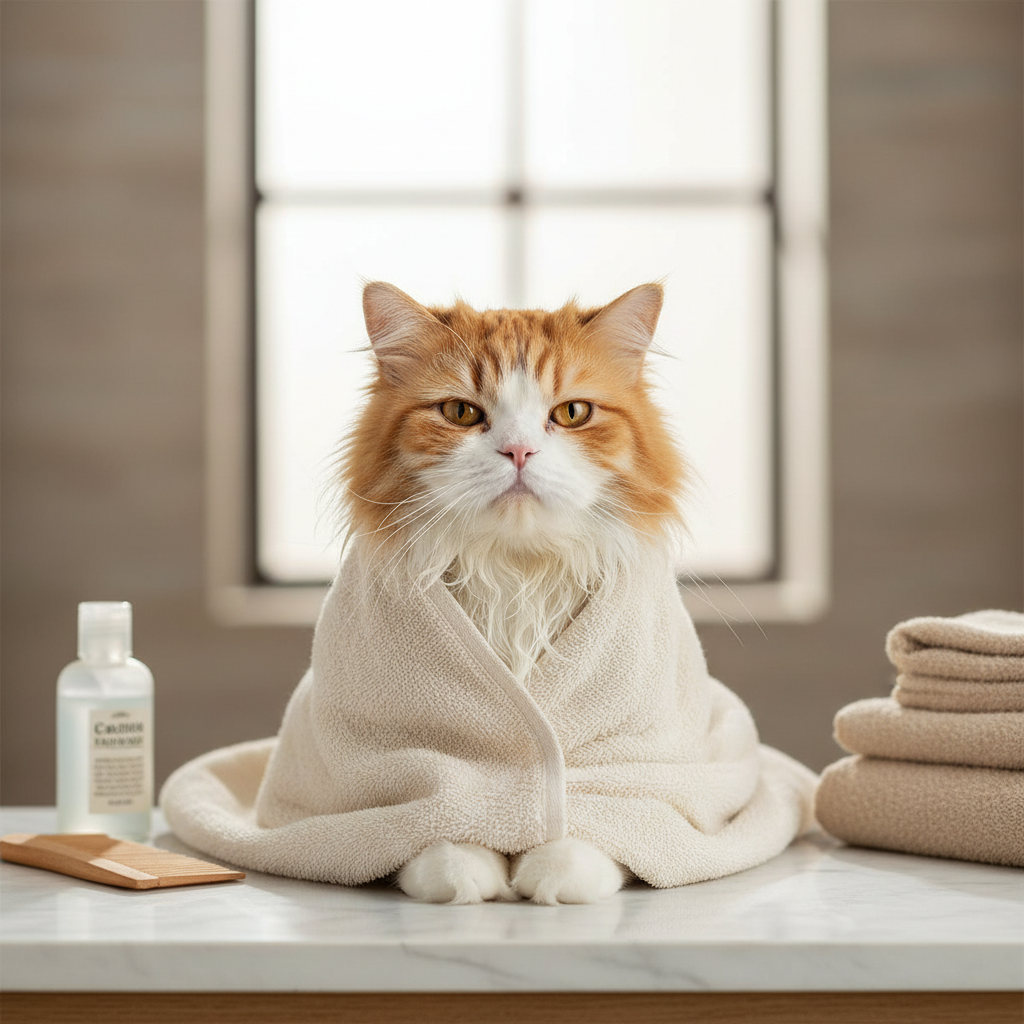
Hygiene trims around the rear can help if your cat gets litter stuck or has occasional stool mess. If you’re not comfortable using clippers, ask a groomer, it’s usually quick and lowers risk of nicking skin.
Common mistakes that make grooming harder than it needs to be
- Brushing only the “pretty layer”: it hides undercoat tangles until they become mats.
- Long sessions when your cat is over it: you may finish the coat, but you lose the next five sessions.
- Using human products: many ingredients irritate cats or smell too strong, stick to cat-safe formulas.
- Skipping nail trims forever: even a tiny tip trim can make handling safer for both of you.
- Waiting for a mat to become a carpet: early tangles are annoying, advanced mats become a welfare issue.
If you want how to groom long hair cat routines to feel “easy,” the secret is less intensity, more consistency.
When to call a groomer or talk to a vet
Home grooming works for many cats, but there are clear lines where professional help is the kinder option.
- Large or tight mats, especially on belly, armpits, or near the skin surface.
- Skin changes like redness, sores, scabs, bald patches, or strong odor that keeps returning.
- Behavior escalation like biting, panic breathing, or hiding for hours after grooming attempts.
- Senior or overweight cats who can’t groom themselves well, they often need a customized plan.
According to the American Animal Hospital Association (AAHA), changes in coat quality or grooming habits can signal underlying health issues, so if your cat suddenly stops grooming or mats rapidly, a vet check is a sensible step.
Conclusion: keep it simple, keep it kind
how to groom long hair cat care becomes manageable when you treat it like a short, repeatable habit instead of an occasional “big project.” Use a slicker to tidy, a metal comb to confirm you reached the undercoat, and handle mats with patience rather than force.
Two actions to take this week: set a 10-minute grooming slot three times, and do a quick daily check behind ears and in armpits. If you hit a mat you can’t comfortably loosen, book a groomer early instead of waiting.
FAQ
How often should I groom a long-haired cat at home?
Many long-coated cats do well with short sessions 3–5 times a week, plus quick daily checks in mat-prone areas. If your cat mats easily, smaller, more frequent sessions usually beat one long marathon.
What’s the best brush for long-haired cats that mat?
A slicker helps, but a metal comb is what tells you whether tangles remain near the skin. If mats form fast, prioritize combing technique over buying stronger brushes.
Is it safe to cut mats out with scissors?
It can be risky, especially when mats sit close to skin. Cat skin can bunch up into the mat, so accidental cuts happen. If you can’t clearly separate the mat from skin, a groomer or vet clinic is safer.
How do I groom a long-haired cat that hates being brushed?
Start with 1–2 minutes, reward immediately, and stop before your cat escalates. Focus on one easy area per session, and slowly add sensitive spots. If fear or aggression is intense, ask a vet about behavior strategies or calming options.
Do long-haired cats need baths?
Some rarely need them, others benefit occasionally, especially if the coat feels greasy or the rear end gets messy. Always brush first and use cat-specific shampoo, and consider professional bathing if your cat panics around water.
Why does my cat get mats even when I brush?
Often the undercoat is tangling while the top looks brushed out. Try line combing in small sections and target friction zones. If mats keep returning quickly, a groomer can help reset the coat with a trim.
Can grooming reduce hairballs in long-haired cats?
It often helps because you remove loose hair before your cat swallows it while self-grooming. If hairballs become frequent, talk to a vet since diet, hydration, and GI issues can also play a role.
What if my cat’s skin looks red under a mat?
Stop pulling and avoid heavy brushing on that spot. Redness can mean irritation or infection, and it may need veterinary advice, especially if there’s odor, swelling, or your cat seems painful.
If you’re trying to build a calmer routine and want a more hands-off approach, a local cat groomer can be a good partner, especially for a “reset” de-matting session, then you maintain at home with shorter weekly touch-ups.