
Best puppy teething toys are the quickest way to calm sore gums and redirect that “I need to chew everything” phase, without turning your hands, shoes, or baseboards into a chew project.
Teething is normal, but the wrong toy can backfire, think choking risks, cracked puppy teeth, or a toy your dog ignores after two minutes. A good pick usually feels satisfying, stays intact, and fits your puppy’s age and bite strength.
This guide breaks down what actually helps with pain relief, how to choose by material and size, plus a practical shortlist you can use while shopping. I’ll also flag common mistakes I see again and again, especially with “super tough” toys that sound safe but may be too hard for baby teeth.
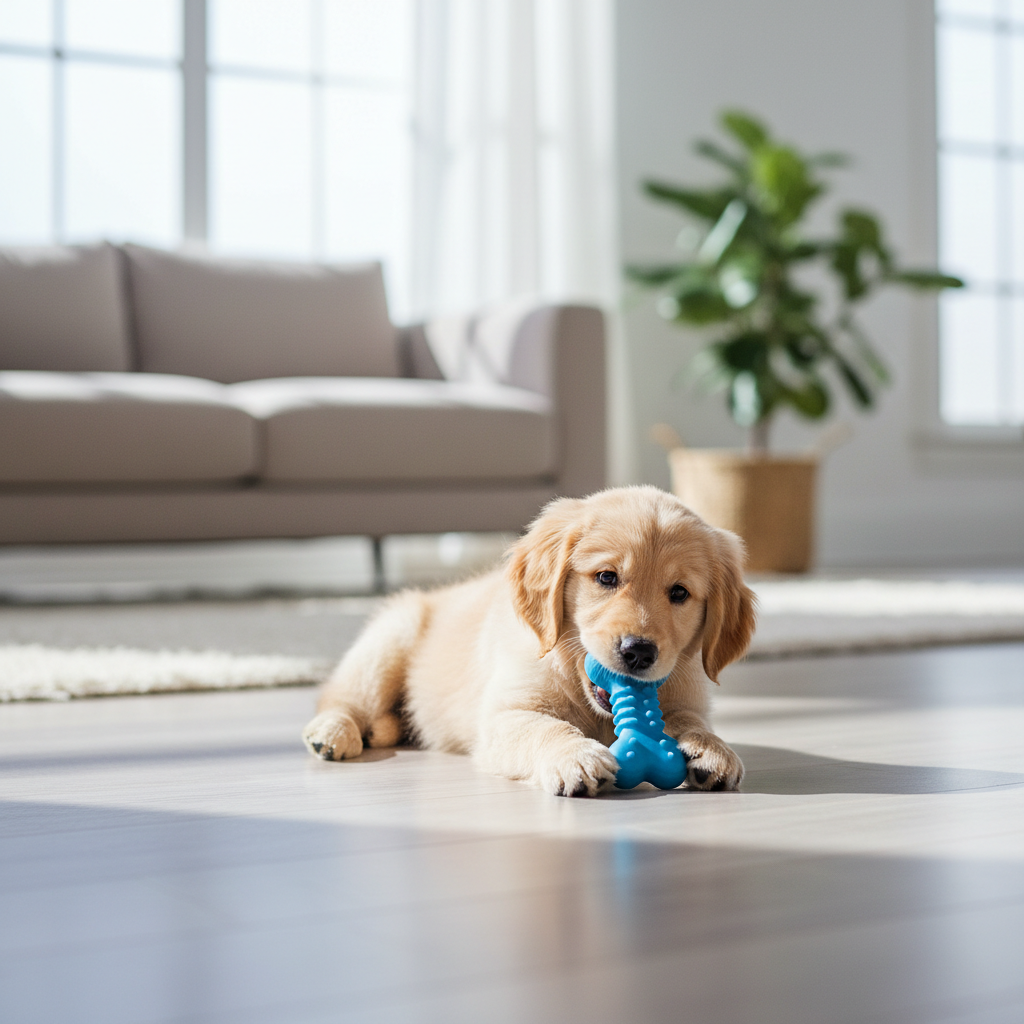
Why puppies teethe (and what “pain relief” really means)
Puppies don’t just chew because they’re being difficult, their mouths genuinely feel uncomfortable. During teething, baby teeth loosen, adult teeth come in, and gums can look a bit puffy or irritated.
“Pain relief” in this context is usually about soothing gum pressure and giving a safe outlet for chewing. Many puppies feel better with cool, flexible textures that massage the gumline, plus a routine that keeps them from rehearsing destructive chewing.
According to the American Veterinary Medical Association (AVMA), chewing is a normal behavior for dogs, and selecting appropriate chew items is part of responsible pet care. If your puppy seems unusually distressed, stops eating, or has heavy bleeding, that’s no longer normal teething and you should ask a veterinarian.
Quick self-check: what kind of teether does your puppy need?
Before you buy anything, spend 30 seconds diagnosing the situation. It saves money, and it avoids handing a hard chewer a toy that turns into confetti.
- Age range: Most puppies teethe roughly between 3–7 months, but timing varies by breed and individual.
- Chew style: Gentle “nibblers” do well with softer rubber; power chewers need thicker shapes and tighter supervision.
- Goal: Are you trying to soothe gums, stop biting hands, or keep them busy in a crate? The best format changes.
- Safety constraints: Any history of swallowing pieces, gagging, or resource guarding means you should choose simpler, bigger items and supervise more closely.
If you’re unsure, default to flexible rubber in a size too large to swallow, then adjust once you learn what your puppy actually likes.
What to look for in the best puppy teething toys (materials, shapes, safety)
A good teething toy is usually less about brand hype and more about matching the toy’s “feel” to the puppy’s mouth. Here are the factors that matter most in real homes.
Materials that tend to work
- Natural rubber: Often the sweet spot for teething, it has “give,” holds up well, and can be easier on baby teeth.
- TPR (thermoplastic rubber): Common in puppy chew toys, often softer than heavy-duty adult chews.
- Nylon (with caution): Durable, but some nylon chews are too hard for young dogs. If it’s rock-solid, consider skipping it during peak teething.
- Fabric/plush: Can be helpful for comfort chewers, but many puppies shred them fast. Great only if your puppy doesn’t ingest stuffing or threads.
Shapes and textures that calm gums
- Ridges and nubs: Massage irritated gums and keep the toy interesting.
- Ring shapes: Easy for small mouths to hold and reposition.
- Hollow toys: Let you add kibble or a soft filling, which boosts engagement and extends chewing time.
Safety filters you shouldn’t skip
- Correct sizing: Bigger than you think. A toy can be “puppy” labeled and still be too small for a fast-growing dog.
- One-piece construction: Fewer glued-on parts means fewer choking hazards.
- Inspect daily: Teething puppies create new weak spots quickly, especially on seams or thin ends.
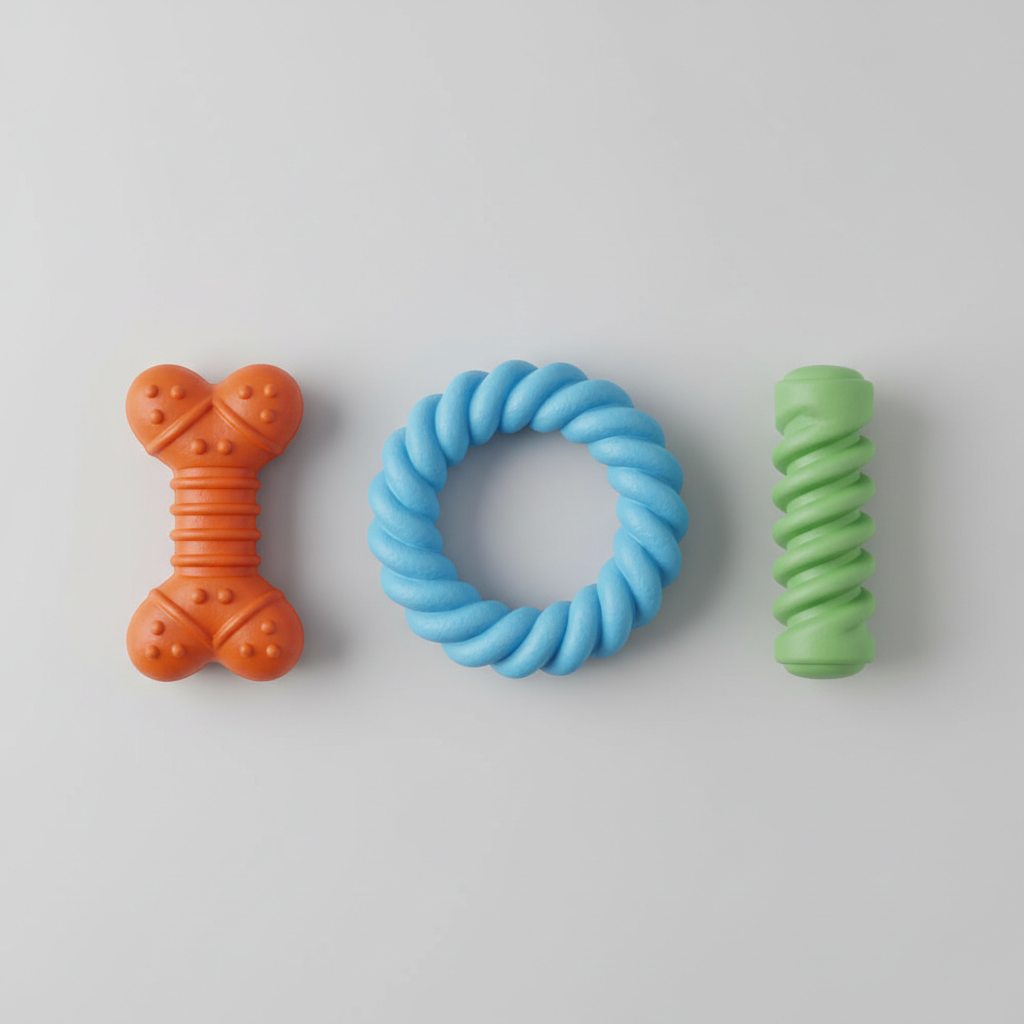
Best puppy teething toys by situation (a practical shortlist)
Instead of a random “top 20,” here’s a shortlist by use case, because what works in the crate often fails on the couch, and vice versa.
- For sore gums (quick relief): Soft textured rubber teether, ideally one you can chill. This is where many “best puppy teething toys” lists are actually right, softer beats harder for comfort.
- For land-shark biting: A long, easy-to-grab tug-safe rubber toy. You want something you can present instantly, so your hands stop being the default target.
- For boredom chewing: A hollow rubber toy that can hold kibble or a small amount of dog-safe spread, used under supervision.
- For crate time: A durable rubber chew with a simple shape that won’t wedge awkwardly or break into chunks.
- For shredder puppies: Thick rubber, minimal seams, no plush, no rope strands. If your puppy swallows threads, skip rope toys during teething.
One more honest note: it’s normal to buy one toy your puppy ignores. Many dogs have strong texture preferences, so treat the first purchases as “testing,” not a final answer.
Comparison table: choose the right toy type fast
If you want a quick decision, use this as a shopping filter. It’s not perfect, but it keeps you away from most regret purchases.
| Toy type | Best for | Pros | Watch-outs |
|---|---|---|---|
| Textured rubber teether | Gum soreness, daily chewing | Flexible, soothing, easy to hold | May not last for extreme chewers |
| Freezable teething toy | Short bursts of relief | Cooling can reduce irritation | Don’t freeze rock-hard items; supervise for cracking |
| Hollow treat-stuffable rubber toy | Crate time, mental work | Longer engagement, redirects chewing | Calorie creep, messy fillings, needs cleaning |
| Soft plush/comfort toy | Mild chewers, comfort | Soothing for some puppies | Stuffing/threads can be risky if shredded |
| Nylon chew | Older puppies with adult teeth | Durable, low mess | Some are too hard for teething; tooth damage may be a concern |
How to use teething toys for real pain relief (not just clutter)
Buying the toy is the easy part. Making it work takes a simple routine, especially during peak teething weeks.
Step-by-step routine that usually helps
- Rotate 3–5 toys so the “newness” stays high, keep the rest out of sight.
- Chill, don’t deep-freeze unless the toy is designed for it. Cool rubber often feels nice; rock-hard items can be too intense.
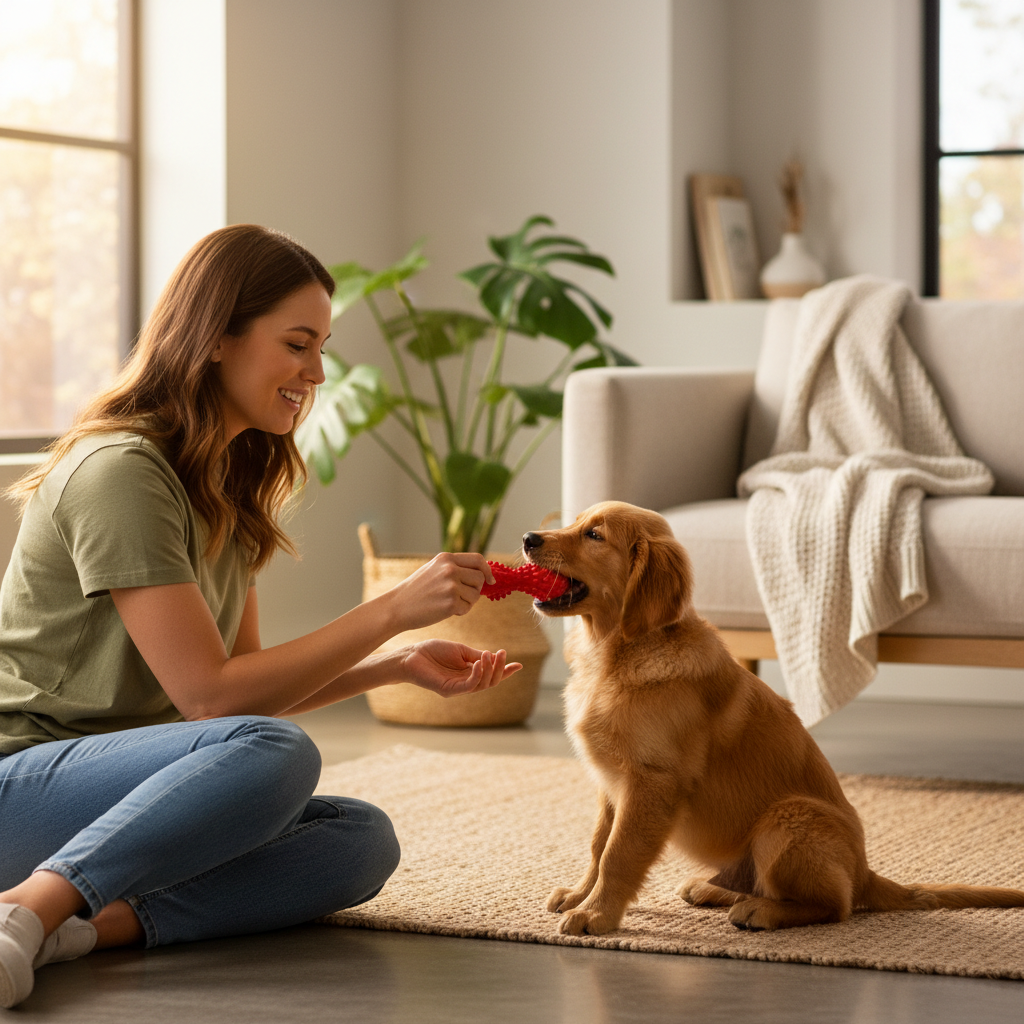
- Interrupt gently when they bite hands, then immediately offer a toy and praise once they switch.
- Use short, frequent sessions because teething discomfort tends to come in waves.
Stuffing ideas (simple and low-risk)
If you use a hollow toy, keep it boring at first. A little kibble, maybe a thin smear of dog-safe canned food. Big “Instagram recipes” often create stomach upset in sensitive puppies.
According to the American Kennel Club (AKC), chew toys can support healthy chewing habits, but pet parents should choose appropriate chews and supervise. If your puppy has a history of digestive sensitivity, it’s smart to check with your veterinarian before adding richer fillings.
Common mistakes with puppy teething toys (and what to do instead)
A lot of frustration comes from two extremes: toys that are too flimsy, or toys that are so hard they’re basically a rock. Both can fail, just in different ways.
- Choosing “indestructible” hardness: Many puppies don’t need more toughness, they need a better texture. If a toy feels like it would hurt your knee, it may be too hard for a teething mouth.
- Leaving toys everywhere: When every room has five toys, none of them feel valuable. Rotation usually works better.
- Using old shoes as chew outlets: Puppies don’t separate “chew shoe” from “nice shoe.” Give a consistent alternative instead.
- Ignoring toy damage: Small torn pieces become swallowing risks quickly. If it’s fraying, cracking, or shedding bits, retire it.
- Expecting one toy to fix everything: Teething relief, training, and boredom are different problems. Mixing toy types tends to work better.
When to ask a vet or trainer for extra help
Most teething is messy but manageable, still, a few signs mean you should get advice rather than experimenting with more products.
- Bleeding that seems heavy or doesn’t stop, gum swelling that looks severe, or a strong foul odor from the mouth
- Not eating, sudden drooling, repeated pawing at the mouth, or signs of significant pain
- Frequent vomiting/diarrhea after chews, which may suggest sensitivity or swallowed material
- Escalating biting that doesn’t improve with redirection and rest, a certified trainer can help you build a plan that fits your home
According to the American Animal Hospital Association (AAHA), regular veterinary care helps catch dental and oral issues early. If something feels “off,” it’s reasonable to check in, especially during the months when teeth change fast.
Key takeaways + a simple buying plan
If you only remember a few things, make them these: go softer for teething comfort, buy the right size, and rotate toys so they stay interesting. The best puppy teething toys are usually the ones your puppy chooses repeatedly, not the fanciest ones on the shelf.
- Start with one textured rubber teether and one hollow treat toy, both sized up.
- Add a crate-friendly chew if you need more quiet time, but supervise until you trust it.
- Retire damaged toys early, teething changes bite strength week to week.
If you want an easy next step today, pick one safe rubber option, chill it for a few minutes, then use it as your default “trade” when hands or furniture become tempting.
FAQ
What are the best puppy teething toys for pain relief at home?
Most puppies do well with flexible, textured rubber teethers, especially when cooled. The goal is gentle pressure on gums plus safe chewing, not maximum hardness.
Can I freeze puppy teething toys?
Often yes, but it depends on the toy. Many rubber toys can be chilled in the fridge; some are designed for freezing. If freezing makes the toy rock-hard or brittle, it may be safer to chill instead and supervise chewing.
Are nylon bones safe for teething puppies?
Some are fine, but many are too hard during peak teething. If your puppy is leaving sharp gouges, or you worry about tooth wear, consider switching to rubber and ask your vet what’s appropriate for your dog’s age and chewing style.
How do I know if a teething toy is too small?
If the whole toy could fit behind your puppy’s back molars, it’s probably too small. In practice, sizing up reduces choking risk and makes the toy easier to hold.
My puppy ignores toys and only wants to bite me, what now?
Try a different texture and shape, many puppies have a strong preference. Also time your redirects: offer the toy before they get over-aroused, and build in naps, since tired puppies bite more.
How many teething toys should I keep?
Three to five in rotation is usually enough. Too many options can make every toy feel “meh,” rotation keeps interest higher.
What fillings are safe for treat-stuffable toys?
Keep it simple: kibble, a thin smear of canned dog food, or vet-approved options if your puppy has sensitivities. Rich fillings can cause stomach upset, so introduce slowly.
When does teething stop in puppies?
Many puppies finish around 6–7 months, but breeds vary. If adult teeth seem delayed, retained baby teeth are visible, or your puppy seems unusually uncomfortable, a vet can check what’s going on.
If you’re trying to choose between a few options and want a more “no guesswork” setup, it can help to start with a small teething rotation, one textured rubber toy, one chillable comfort chew, and one treat-stuffable option, then adjust based on what your puppy actually reaches for.