
Senior cat food wet canned is often the easiest way to help older cats keep eating when chewing gets tender, smell sensitivity kicks in, or appetite just feels "off." If your cat walks up to the bowl, sniffs, and leaves, it’s not always pickiness, sometimes it’s comfort, texture, or nausea that makes food hard to finish.
Wet canned food can support hydration, deliver strong aroma (which many seniors rely on), and offer softer textures that feel less work for aging mouths. But the label “senior” alone does not guarantee it fits your cat’s needs, especially if kidney disease, dental pain, or weight loss is in the picture.
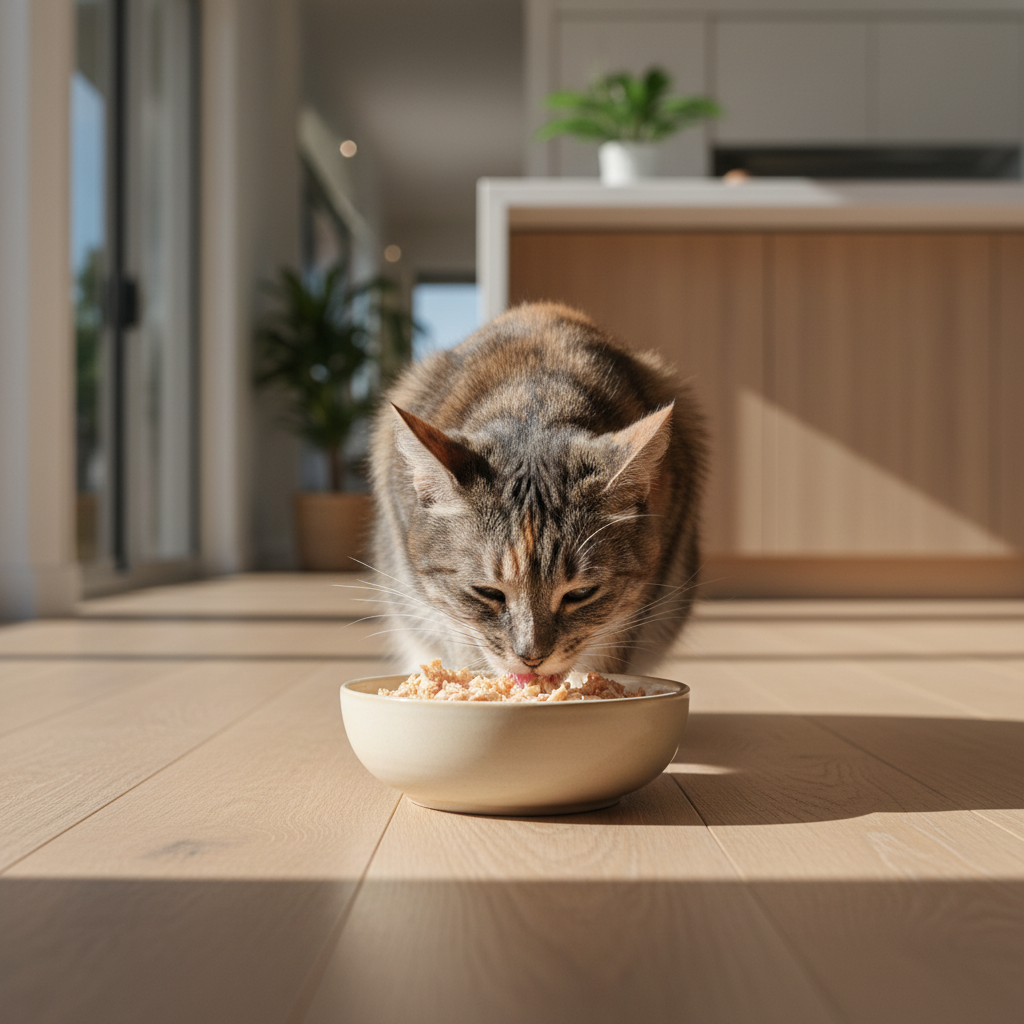
This guide breaks down what “easy eat” actually means, how to choose the right texture and nutrition profile, and how to troubleshoot common senior issues like constipation, hairballs, and sudden food refusal, without turning every meal into a battle.
Why older cats struggle with eating (and why wet can help)
Most senior feeding problems are not about “being stubborn.” They’re usually a mix of comfort and biology, and the fix depends on the cause.
- Dental pain or missing teeth: crunchy kibble can hurt, and even chunky wet food may feel hard to manage.
- Reduced sense of smell: many cats rely on aroma to trigger eating, and wet food typically smells stronger.
- Dehydration risk: seniors may drink less; wet diets add water automatically.
- GI sensitivity: aging digestion may handle smaller, wetter meals better than big dry portions.
- Chronic conditions: kidney disease, hyperthyroidism, arthritis, and nausea can all change appetite and preferences.
According to the American Association of Feline Practitioners (AAFP), older cats benefit from proactive monitoring of weight, appetite, and hydration because small changes can signal bigger health shifts. If you’re seeing “new” behavior, it’s worth taking seriously.
Quick self-check: which “easy eat” situation are you dealing with?
Before switching foods three times in a week, take two minutes and classify what’s happening. It saves money and guesswork.
- Chewing looks uncomfortable: dropping food, pawing at mouth, eating on one side, bad breath.
- Your cat wants to eat but can’t: approaches bowl often, takes a few bites, then stops.
- Weight loss or muscle loss: bony spine, less “padding” over hips, weaker jump.
- Constipation signs: hard stools, straining, small dry poop, less frequent litter box use.
- Only licks gravy: leaves chunks behind, prefers mousse or puree textures.
- Sudden food refusal: especially if paired with hiding, vomiting, or lethargy.
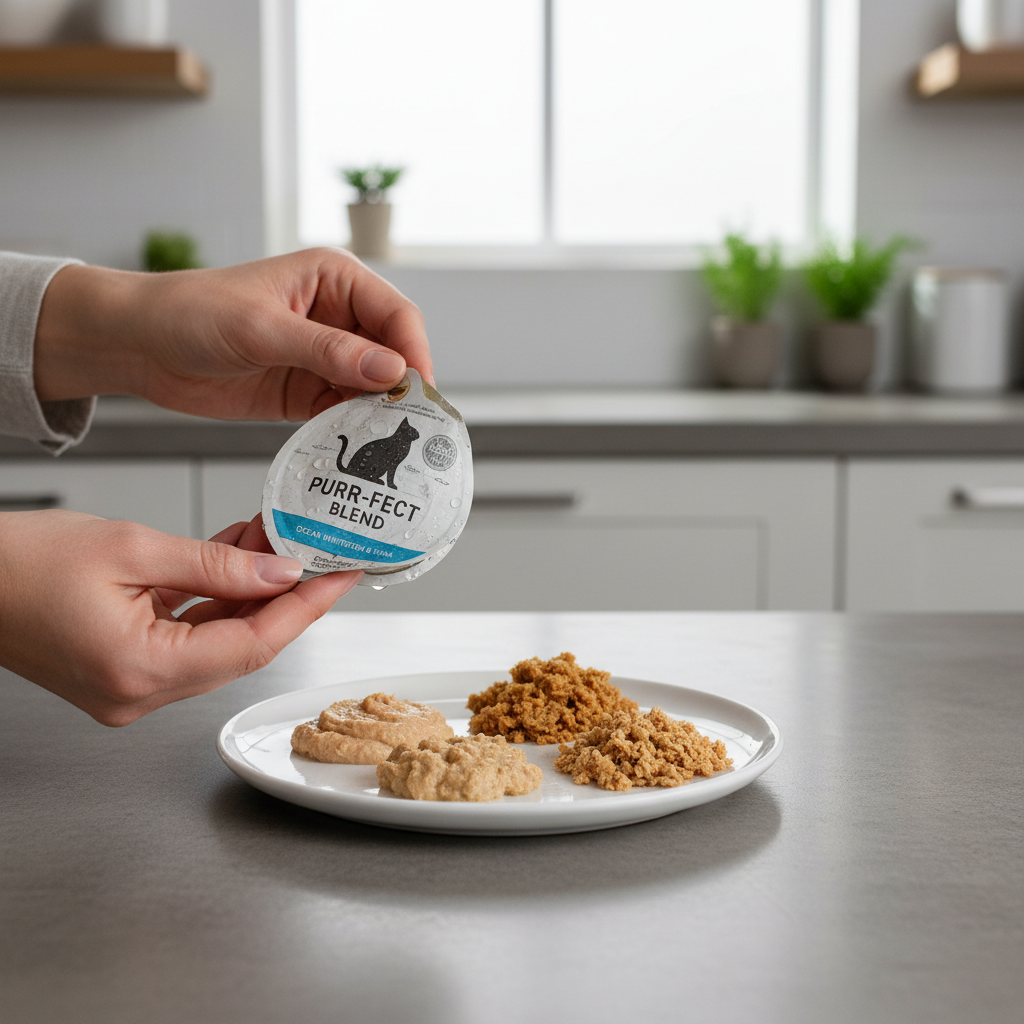
If you check the “sudden refusal” box, don’t wait it out. In many cases, a cat not eating for 24–48 hours can become a medical problem, and you’ll want a veterinarian’s guidance.
What to look for in senior wet canned food (nutrition + comfort)
“Senior” formulas vary a lot. Some prioritize calories for thin cats, others focus on gentler digestion, and therapeutic diets may target a diagnosed condition. Here’s what typically matters most.
Texture that matches your cat’s mouth
- Pâté/mousse: easiest for cats that lick more than chew, also easy to mash with a fork.
- Minced: small pieces can work for mild dental issues, but some seniors still leave bits behind.
- Shreds/chunks in gravy: good aroma and moisture, but can frustrate cats with sore mouths.
Protein and calories, not just “low fat” vibes
Many older cats lose lean muscle (sarcopenia). They often need highly digestible animal protein and enough calories to maintain weight, unless a veterinarian has your cat on a restricted plan for a medical reason.
Moisture and sodium: balance matters
Wet food supports hydration, but don’t chase “extra salty” options just to boost appetite. If kidney or heart concerns exist, ask your vet what’s appropriate for your cat’s case.
Added fiber (sometimes) and gut support
If constipation is a repeating theme, some cats do better with modest fiber and wet meals. But too much fiber can backfire for thin seniors who need calories.
Texture and nutrition at a glance (use this table to choose)
Use this as a practical starting point when you’re standing in the pet aisle or comparing product pages.
| Senior situation | Best wet texture to try | Helpful nutrition angle | What to avoid |
|---|---|---|---|
| Dental pain, missing teeth | Pâté or mousse | Energy-dense, easy-to-swallow | Large chunks, tough shreds |
| Only licks gravy | Extra-smooth pâté, mashable recipes | Higher protein, moderate fat | Chunky “stew” styles |
| Constipation prone | Pâté + added water | Moisture-forward, gentle fiber | Too-dry feeding routine, abrupt switches |
| Thin or losing weight | Any easy texture your cat finishes | Higher calories per can, high digestibility | Overly “light” formulas without guidance |
| Suspected nausea | Smooth, aromatic, small servings | Gentle ingredients, smaller meals | Strong sudden diet changes, big portions |
Practical feeding tips that make wet canned food easier to eat
These are small moves, but they often decide whether a senior cat eats enough today.
- Warm it slightly: 5–10 seconds in the microwave (then stir and temperature-check). Aroma does a lot of work.
- Add water and mash: turn pâté into a soft “porridge” texture for cats that struggle to chew.
- Use a wide, shallow dish: helps cats that dislike whisker contact, and makes licking easier.
- Serve smaller, more frequent meals: many seniors do better with 3–5 mini-meals than two big ones.
- Keep a routine, but stay flexible: same spot, same times, but rotate textures within what your cat tolerates.
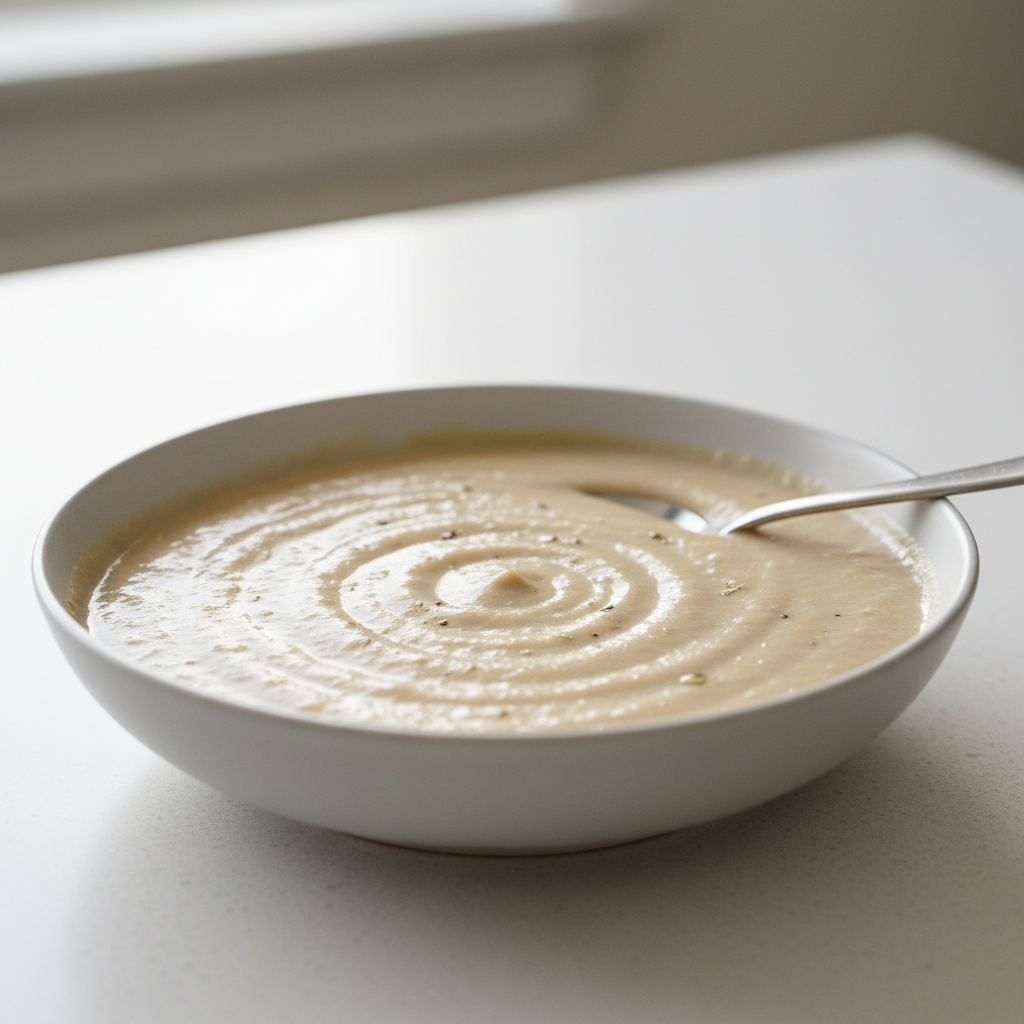
If your cat eats well at the first few bites and then stops, try offering the rest 30–60 minutes later. For some seniors, fatigue or jaw discomfort shows up mid-meal.
Common mistakes with senior wet feeding (that waste time and money)
- Switching too fast: abrupt change often triggers diarrhea or refusal. Transition gradually when you can.
- Buying “senior” and ignoring the condition: kidney, thyroid, diabetes, and dental disease can require specific approaches.
- Assuming food refusal is behavioral: pain and nausea can look like pickiness.
- Leaving wet food out too long: it dries, smells “off,” and some cats stop trusting it. Follow safe handling guidance on the label.
- Chasing toppers endlessly: sprinkling treats can work short-term, but it may create a cat who holds out for “the good stuff.”
According to the FDA, pet food should be stored and handled safely to reduce spoilage risk, especially once opened. If you’re unsure how long your cat’s wet food sits out, check the manufacturer instructions and ask your veterinarian for a realistic routine.
When it’s time to talk to a veterinarian (don’t self-manage these)
Home tweaks help a lot, but some patterns need medical input, even if your cat still “seems fine.”
- No eating for 24 hours (or significantly less than normal), especially in an older cat
- Rapid weight loss or visible muscle wasting
- Vomiting, diarrhea, or constipation that repeats or worsens
- Signs of dental disease like drooling, foul odor, bleeding gums, or pawing at the mouth
- Excessive thirst/urination or sudden appetite change, which can signal endocrine or kidney issues
Many conditions are manageable when caught early, and the “right” senior cat food choice often depends on lab work and a vet’s exam. If your cat already has a diagnosis, ask specifically whether a certain senior cat food wet canned option fits that plan.
Key takeaways + a realistic next step
If meals are getting harder, focus less on the word “senior” and more on what your cat can comfortably finish. In many homes, a soft pâté, warmed slightly, served in smaller portions, is the simplest win.
- Pick texture first, then dial in nutrition.
- Watch weight weekly and appetite daily, small shifts matter in seniors.
- Escalate early if refusal, pain signs, or GI symptoms show up.
If you want one action today, choose one easy-to-lick wet option, add a tablespoon of warm water, and see whether your cat finishes more without coaxing. That response tells you a lot.
FAQ
What texture is best if my senior cat only licks the gravy?
Usually a smooth pâté or mousse works better than chunky stews. You can also mash a minced formula with warm water so your cat gets the nutrition instead of just the liquid.
How often should I feed wet food to an older cat?
Many seniors do well with multiple small meals, because it’s easier on the stomach and less tiring. The “right” schedule still depends on total calories and any medical conditions, so confirm targets with your vet.
Is senior cat food wet canned better than dry for hydration?
Wet food generally contributes more daily water intake than dry. That said, hydration needs vary, and cats with kidney or heart concerns should follow a veterinarian’s guidance on diet and fluids.
Can I mix water into canned food every time?
In many cases, yes, especially for cats that prefer softer textures. Start with a small amount so you don’t dilute it into something your cat refuses, and discard leftovers sooner because the mixture can spoil faster.
My senior cat is losing weight—should I choose higher-calorie canned food?
Often that’s part of the solution, but unexplained weight loss should be evaluated first. Hyperthyroidism, diabetes, dental disease, and kidney issues are common in older cats, and the feeding plan may change based on diagnosis.
How do I transition to a new senior wet food without stomach upset?
If your cat is stable, mix increasing amounts of the new food over about a week. If appetite is already poor, you may need a faster switch to get calories in, but it’s safer to talk with your vet if vomiting or diarrhea is present.
Why does my cat eat better when the food is warmed?
Warming boosts aroma and softens texture, which helps cats with reduced smell or mouth discomfort. Keep it just warm, not hot, and stir well to avoid hot spots.
When should I worry about my cat not eating?
If a senior cat eats nothing for a full day, or eats far less than normal with lethargy or vomiting, treat it as urgent. It’s not about panic, it’s about preventing complications and catching disease early.
If you’re trying to find a senior cat food wet canned option your cat will actually finish, it can help to shortlist a few textures, compare calories per can, and then test one change at a time, it’s a calmer process and you get clearer feedback from your cat.