
Pet dental hygiene is one of those things many people mean to keep up with, then life happens, and suddenly you notice bad breath, red gums, or a little tartar line you can’t unsee.
The tricky part is that dental problems often build quietly, and by the time a pet stops eating kibble or paws at their mouth, you’re usually past “quick fix” territory. A few realistic habits at home can lower the odds of painful gum disease, and can also make professional cleanings less frequent or less complicated, depending on the pet.
This guide stays practical: how to tell what your dog or cat actually needs, what works for home care, what tends to waste money, and how to think about veterinary cleanings without panic-googling prices at midnight.

Why dental care matters more than “fresh breath”
Bad breath gets attention, but the bigger concern is what sits under the gumline. Plaque hardens into tartar, gums get inflamed, and over time many pets develop periodontal disease, which can lead to tooth loss and chronic pain. A lot of pets keep eating anyway, so owners miss the early stage.
According to the American Veterinary Medical Association (AVMA), periodontal disease is common in dogs and cats, and regular dental care is part of preventive health. That doesn’t mean everyone must brush perfectly every day, it means skipping oral care entirely tends to catch up.
Also, dog dental care and cat dental care aren’t identical. Dogs often tolerate handling better, while cats can be more sensitive to mouth contact, so the “best” plan is usually the one you can repeat without turning it into a daily wrestling match.
Quick self-check: what your pet’s mouth is telling you
If you’re unsure where you fall on the spectrum, this is a solid starting point. You’re not diagnosing at home, you’re deciding how urgent the next step is.
Signs you can often manage with better home habits
- Mild odor that improves after pet teeth cleaning
- Light yellow-brown tartar along the gumline
- Occasional licking or chewing preference changes, but normal appetite
Signs that usually deserve a veterinary appointment soon
- Bleeding gums, visible redness, or gum recession
- One-sided chewing, dropping food, or refusing kibble
- Facial swelling, pawing at mouth, crying when yawning
- Loose, broken, or missing teeth
If you see the second list, focus less on “which brush to buy” and more on getting a professional opinion. Home care still matters, it just may not be enough right now.
The home-care toolkit: what helps, what’s optional
Most routines work better when you keep the tools simple. You can always add extras later.
1) Brushing with the right toothpaste
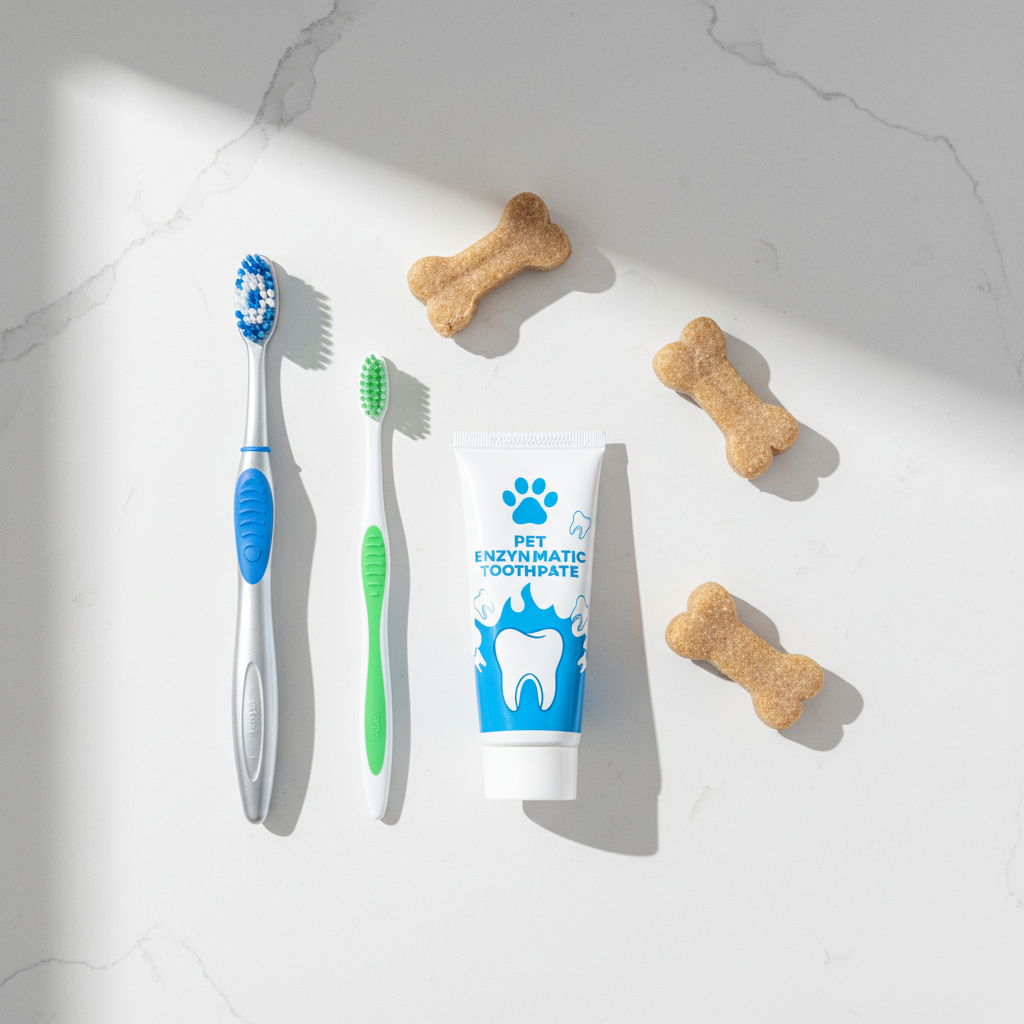
For many households, brushing is the highest-impact habit. Use enzymatic toothpaste for pets, not human toothpaste. Pet formulas are designed to be swallowed and often help break down plaque with enzymes, even when you’re not brushing like a dental hygienist.
- Canine toothbrush: angled head or finger brush can work, choose what you can control
- Feline toothbrushing: smaller brush head, softer bristles, slower approach
- Start with short sessions, even 10–20 seconds per side counts early on
2) Dental chews and oral-friendly treats
Pet dental chews can reduce plaque for some pets, mostly through abrasion, meaning they work best when the pet actually chews. They’re not magic, and they don’t replace brushing, but they can support dog gum disease prevention when chosen well.
- Match chew hardness and size to your pet, too hard can risk cracked teeth
- Watch calories, especially for small dogs and indoor cats
- Supervise chewing, particularly for gulpers
3) Dental diets, water additives, wipes
These can help some pets, especially when brushing is inconsistent. Think of them as “supporting actors,” not the main character. For cats, wipes sometimes beat brushes in real life because they’re faster and less intrusive, even if results vary.
How to brush teeth without stressing your dog or cat
The biggest mistake people make is treating brushing like a single skill. It’s really two things: getting your pet comfortable with mouth handling, then cleaning the teeth.
A realistic 7-day ramp-up (adjust as needed)
- Days 1–2: Touch cheek, lift lip, reward, stop early
- Days 3–4: Rub gums with your finger, add a taste of pet toothpaste
- Days 5–6: Introduce brush, one side only, short strokes
- Day 7: Both sides, focus on the outer surfaces near the gumline
Outer surfaces matter most because that’s where plaque builds fastest. For many pets, especially cats, trying to brush inner surfaces just creates conflict with little payoff.
Technique tips that prevent backsliding
- Angle bristles toward the gumline, gentle small circles
- Keep sessions short, stop before your pet pulls away hard
- Use a consistent cue, like “teeth time,” so it feels predictable
If your pet has painful gums, brushing can feel like punishment. In that case, prioritize a vet exam before you push consistency.
Common scenarios and what to do next
Most people don’t need a perfect routine, they need the right next move for their situation.
If your dog has visible tartar but acts normal
- Start brushing 3–5 times per week with pet toothpaste
- Add a dental chew a few times per week if it’s safe for their chewing style
- Take a clear photo of the gumline now, compare in 4–6 weeks
If your cat has bad breath
Cat bad breath remedies depend on the cause. Sometimes it’s plaque, sometimes it’s a mouth sore, a resorptive lesion, or something unrelated to teeth. If odor is strong and persistent, don’t assume treats will solve it, schedule an exam. At home, start with gentle wiping or a tiny brush, and keep expectations modest in week one.
If your pet hates brushing
- Switch to a softer brush or finger brush, pressure usually drops by half
- Try toothpaste flavors your pet actually likes, many pets accept poultry better than mint
- Use “micro-sessions,” 5 seconds at a time, more often
If you’re trying to prevent gum disease long-term
Dog gum disease prevention usually works best as a combo: brushing as the anchor, chews or diet as support, plus periodic professional checks. For cats, consistency matters more than intensity, a small amount of regular care can beat occasional long sessions.
Veterinary cleanings: when they help, and what cost usually depends on
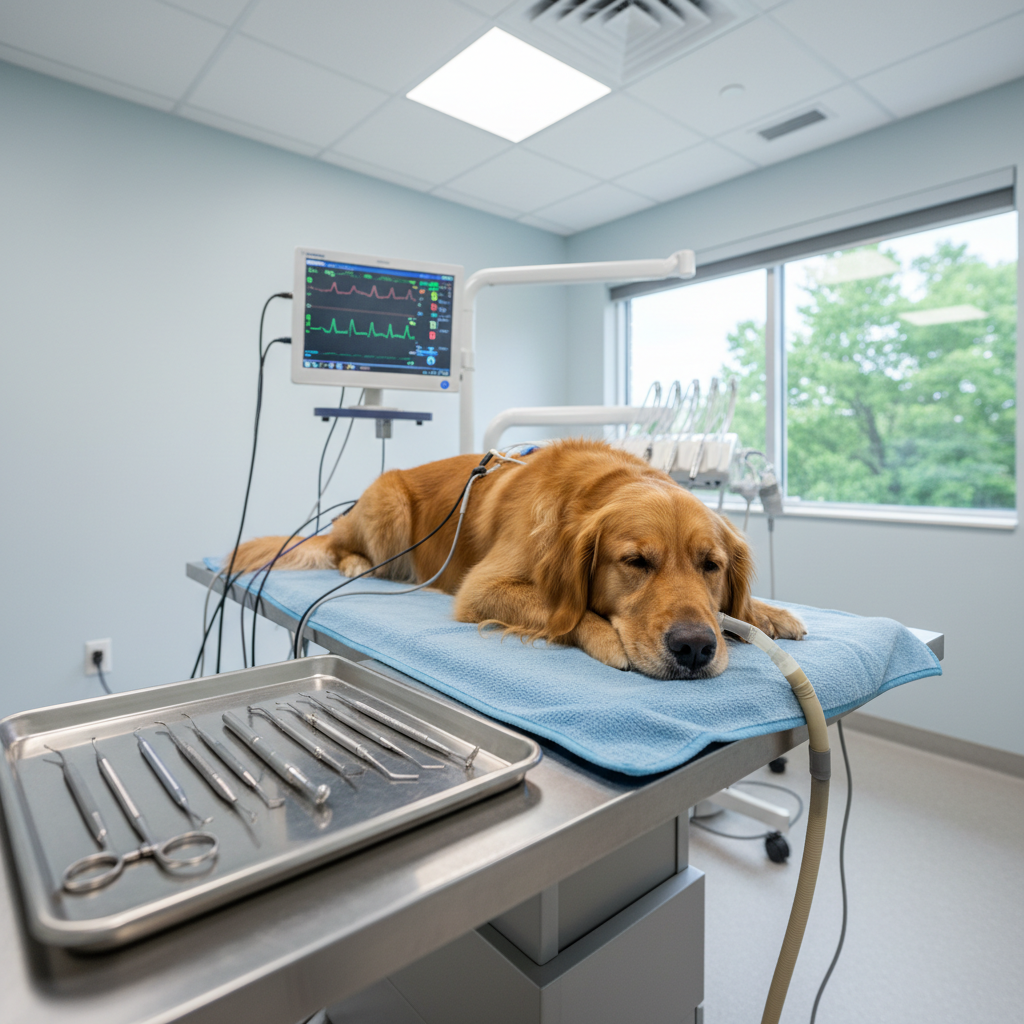
Home care can’t remove tartar under the gumline once it’s established. That’s where veterinary dental cleaning comes in. It’s typically done under anesthesia so the team can scale, polish, and evaluate pockets safely. According to the American Animal Hospital Association (AAHA), anesthesia allows proper cleaning and assessment that isn’t possible with an awake pet.
People often search veterinary dental cleaning cost expecting one number, but pricing varies by region, clinic standards, and what they find once X-rays happen. The biggest cost drivers often include:
- Dental X-rays, which help reveal root issues and hidden disease
- Extractions, especially with fractured teeth or advanced periodontal disease
- Pre-anesthetic lab work and monitoring level
If you’re comparing clinics, ask what’s included. “Dental cleaning” can mean very different things, and you want clarity on X-rays, anesthesia monitoring, and pain control.
A simple routine you can actually keep (with a quick reference table)
Most households do better with a “minimum effective routine” than a complex plan that lasts nine days. Here’s a practical baseline, adjust based on temperament and dental history.
- Goal: brushing most weeks, not perfection every night
- Focus area: outer tooth surfaces near the gumline
- Track: breath, gum color, tartar line, chewing behavior
| Situation | At-home priority | What to watch |
|---|---|---|
| Healthy mouth, low odor | Brush 2–4x/week + occasional chews | New tartar line, gum redness |
| Mild tartar, no pain signs | Brush 4–6x/week + consider dental diet | Bleeding when brushing, worsening smell |
| Strong odor or inflamed gums | Gentle handling + book vet exam | Dropping food, pawing at mouth |
| History of extractions or periodontal disease | Brush as tolerated + vet recheck schedule | Relapse signs, sensitivity on one side |
Common mistakes that quietly undo your effort
- Using human toothpaste: some ingredients can be unsafe for pets, stick with pet formulas
- Going too hard: pressure triggers avoidance, gentle beats intense
- Only relying on treats: chews help some pets, but they rarely replace brushing
- Ignoring pain signals: if brushing suddenly becomes impossible, consider dental discomfort
- Assuming cats “just have bad breath”: persistent odor often deserves a closer look
When to ask for professional help (and what to request)
If you see bleeding, swelling, a broken tooth, or your pet avoids eating, it’s time to involve a veterinarian. This isn’t alarmism, mouth pain hides well. Also consider help if you’ve tried for a month and still can’t touch the mouth without panic, a vet team can show handling techniques and safer alternatives.
Useful requests at the appointment:
- An oral exam that includes gum pocket discussion, not just “looks fine”
- Whether dental X-rays are recommended for your pet’s age and signs
- A home-care plan matched to temperament, not a generic handout
Key takeaways and next steps
Good pet teeth cleaning usually comes down to consistency and comfort, brushing with pet-safe toothpaste covers the most ground, chews and diets can support, and veterinary cleanings handle what home care can’t reach. Pick one change you can start this week, then build from there.
Action idea: set a two-week goal, brush three times per week, take one clear gumline photo on day one and day fourteen, then decide if you need to level up or book a check.
FAQ
How often should I do pet dental hygiene at home?
Daily brushing is ideal for plaque control, but many people succeed with 3–5 times per week. What matters is repeating it often enough that tartar doesn’t “win the calendar.”
What’s the best enzymatic toothpaste for pets?
Look for a toothpaste labeled specifically for dogs or cats, with enzymes and a flavor your pet accepts. If your pet refuses the flavor, the “best” formula becomes the one you never use, so acceptance matters.
Do dental chews actually work for dog dental care?
Many can help reduce plaque on surfaces they contact, especially for dogs that chew thoroughly. They’re less reliable for heavy tartar or gum disease, and they add calories, so treat them as support rather than the foundation.
Is feline toothbrushing really necessary if my cat eats dry food?
Dry food can provide some abrasion, but it usually doesn’t clean near the gumline the way brushing can. If your cat is prone to tartar or has bad breath, brushing or wipes are still worth considering.
What are safe cat bad breath remedies I can try first?
Start with gentle toothbrushing or wipes and a pet-safe toothpaste, plus a vet-approved dental diet if recommended. If odor is strong, sudden, or paired with drooling or appetite changes, a vet exam is the safer next step.
How do I choose a canine toothbrush?
Pick a brush you can control comfortably: a small angled brush for precision, or a finger brush if your dog resists tools. Softer bristles are often better for beginners and sensitive gums.
Why does veterinary dental cleaning cost vary so much?
Cost depends on what’s included and what your pet needs once examined, commonly X-rays, extractions, anesthesia monitoring, and pain management. Ask for an itemized estimate and what could change during the procedure.
If you’re trying to build a pet dental hygiene routine but keep getting stuck on “what’s worth buying” versus “what’s just marketing,” it can help to bring your pet’s current mouth photos and a short list of what your pet tolerates to your next vet visit, you’ll get a plan that fits your reality instead of a generic checklist.