
Best pet hair removers vacuum shopping usually feels simple until you realize every home is a little different: hardwood plus area rugs, a couch that’s basically a fur magnet, and a dog that sheds in “seasons” that last all year.
This guide helps you pick the right vacuum style for pet hair in 2026 by focusing on what actually changes outcomes: brush design, suction consistency, filtration, and the small usability details that make you reach for the vacuum more often.
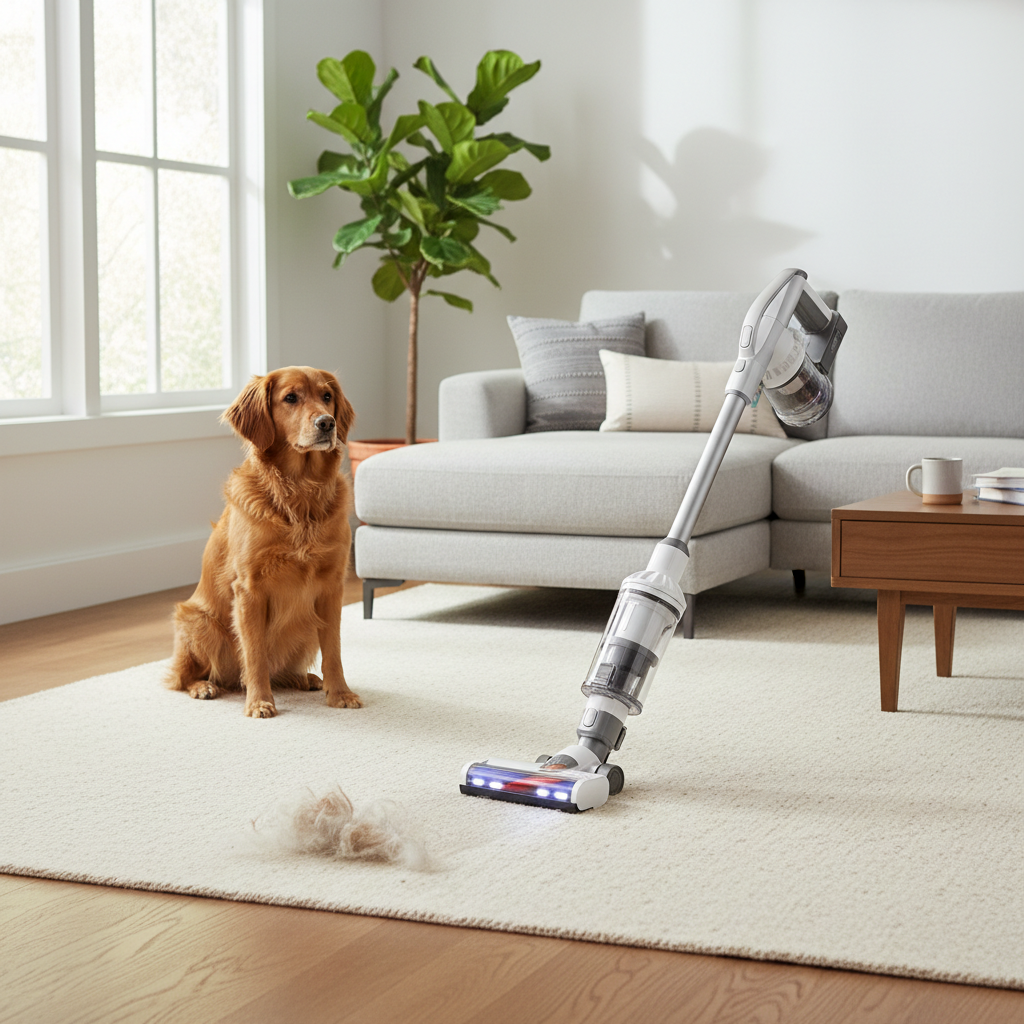
One more thing before models and features: the “best” option is rarely one machine that does everything perfectly, it’s usually the best match for your floors, your pet’s coat, and how much maintenance you’re willing to do.
What “best” means for pet hair vacuums in 2026
Pet hair performance comes down to a few repeatable realities. If a vacuum nails these, it tends to feel great in real use, not just in a spec sheet.
- Brush roll design: anti-tangle or self-cleaning rollers help if you have long hair (human or pet) wrapping around the brush.
- Strong pickup on edges: fur lines baseboards and collects under toe-kicks, edge suction matters more than people expect.
- Low scatter on hard floors: some heads “snowplow” hair, pushing it forward instead of pulling it in.
- Filtration and sealing: useful for dander and fine dust; not everyone needs HEPA, but many pet homes benefit.
- Convenient emptying: if the bin is messy or filters clog quickly, you vacuum less, and pet hair wins.
Key takeaway: A “pet” label doesn’t guarantee better pet hair pickup. The head design and airflow path do most of the work.
Quick comparison table: match vacuum type to your home
If you want to make one decision fast, start here. Then refine based on shedding level and allergies.
| Home / Pet situation | Vacuum type that usually fits | Why it works | Watch-outs |
|---|---|---|---|
| Mostly carpet, heavy shedding | Upright (corded or strong cordless) | Deep agitation + steady suction | Heavier, louder, brush tangles if not managed |
| Hard floors + area rugs | Cordless stick with soft roller + carpet mode | Less scatter on hard floors, quick daily runs | Battery + bin size can limit whole-house cleans |
| Furniture, stairs, car hair | Canister or stick + strong handheld mode | Better hose reach and pet tools | Cheap mini-motorized tools can stall on thick fabric |
| Allergies or asthma concerns | Sealed system + HEPA filtration | Captures fine particles, reduces blowback | Filters need upkeep; bags can be cleaner than bins |
| Daily maintenance between deep cleans | Robot vacuum + “real” vacuum backup | Keeps fur under control automatically | Brush/rollers require frequent cleaning in pet homes |
Why pet hair is hard: the real-world reasons vacuums struggle
People blame suction, but suction alone rarely explains poor results. Most failures are mechanical.
- Hair behaves like thread: it tangles around rollers and axles, then airflow drops and pickup falls off.
- Static and cling: fur sticks to upholstery and felted carpet fibers, so a plain nozzle can glide over it.
- Mixed debris: litter dust, sand, and kibble combine with hair, clogging narrow paths and screens.
- Filter loading: fine dander builds up, and performance slowly degrades until you wash/replace filters.
According to EPA, pet dander is a common indoor allergen, and controlling it often involves source control and proper cleaning routines, not a single product fix.
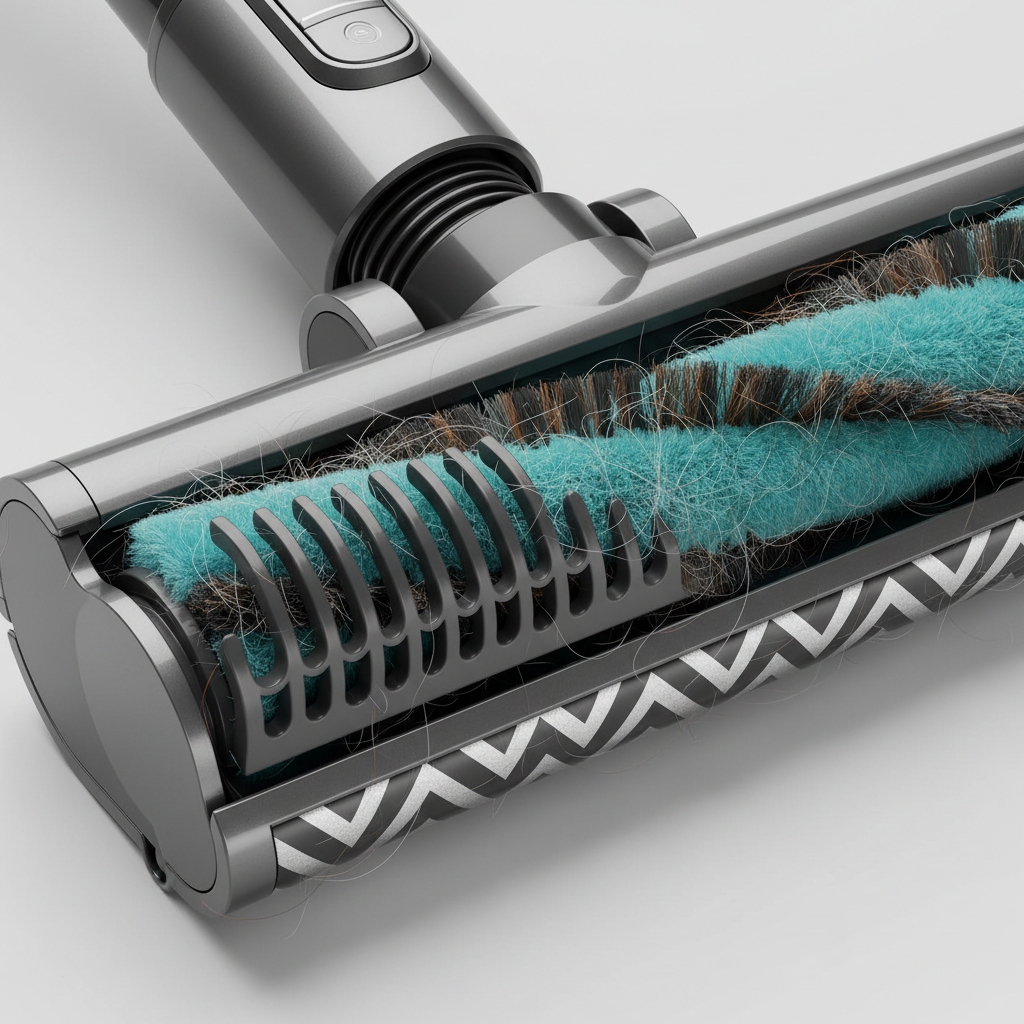
If you’re comparing the best pet hair removers vacuum options, prioritize designs that keep airflow stable over time, not just peak specs.
A fast self-check: what you should buy based on your “hair profile”
This checklist is more useful than brand debates. Answer honestly, then choose features that match.
- Shedding level: light (single cat) / medium (one dog) / heavy (double-coated breeds, multiple pets).
- Floor mix: mostly carpet / mostly hard floor / true mix with rugs and runners.
- Hair length in the home: long hair in household raises tangle risk a lot.
- Allergy sensitivity: none / mild / significant (consider sealed + HEPA, possibly bagged).
- Cleaning style: quick daily passes vs weekly deep cleaning marathons.
- Stairs and upholstery: frequent? You’ll want a powered mini brush tool that doesn’t bog down.
Rule of thumb: If you vacuum often, convenience and anti-tangle features matter as much as raw pickup.
Practical buying criteria (what to prioritize, what to ignore)
Brush roll and floor head
For carpets, look for a head that can agitate without instantly wrapping hair. For hard floors, a soft roller or dedicated hard-floor head reduces scatter and improves fine pickup.
- Anti-tangle combs or blades can help, but they still need occasional manual cleaning.
- Height adjustment is underrated on thicker rugs; fixed heads can struggle.
Filtration and sealing
HEPA is helpful if you’re sensitive to dust and dander, but only if the vacuum is reasonably sealed. A HEPA filter paired with leaky airflow often disappoints.
According to American Lung Association, improving indoor air quality can include using high-efficiency filtration and reducing allergens, especially for people with respiratory sensitivities.
Bin/bag, emptying, and maintenance
Bagless bins are convenient until you empty a cloud of fine dust. Bagged models can be tidier for allergy-prone households, though bag costs vary.
- Pre-filters that rinse clean help maintain suction, but only if you actually wash and dry them fully.
- Easy access to rollers saves you from “I’ll do it later” maintenance.
Battery and runtime (for cordless)
Runtime claims depend on mode. In many homes, you want enough battery to handle the rooms where hair piles up most: entryway rugs, couch zone, and pet beds.
- Swappable batteries can be more practical than chasing maximum advertised minutes.
- Charging dock placement matters; if it’s hidden, the vacuum gets forgotten.
How to use your vacuum for better pet hair pickup (real-world steps)
Even the best pet hair removers vacuum can feel average if the routine fights physics. These steps usually improve results without buying anything.
- Do a “dry pass” first on carpets: one slow pass forward, one slow pass back, letting the brush lift hair from fibers.
- Hard floors: turn down brush aggression if possible, and use a soft roller or hard-floor mode to avoid scatter.
- Use the right pet tool on upholstery: a powered mini brush typically beats a plain suction tool for embedded hair.
- Hit edges intentionally: run the head along baseboards and under cabinet toes where fur lines form.
- Empty earlier than you think: once bins get packed with hair, cyclones/screens clog and airflow drops.
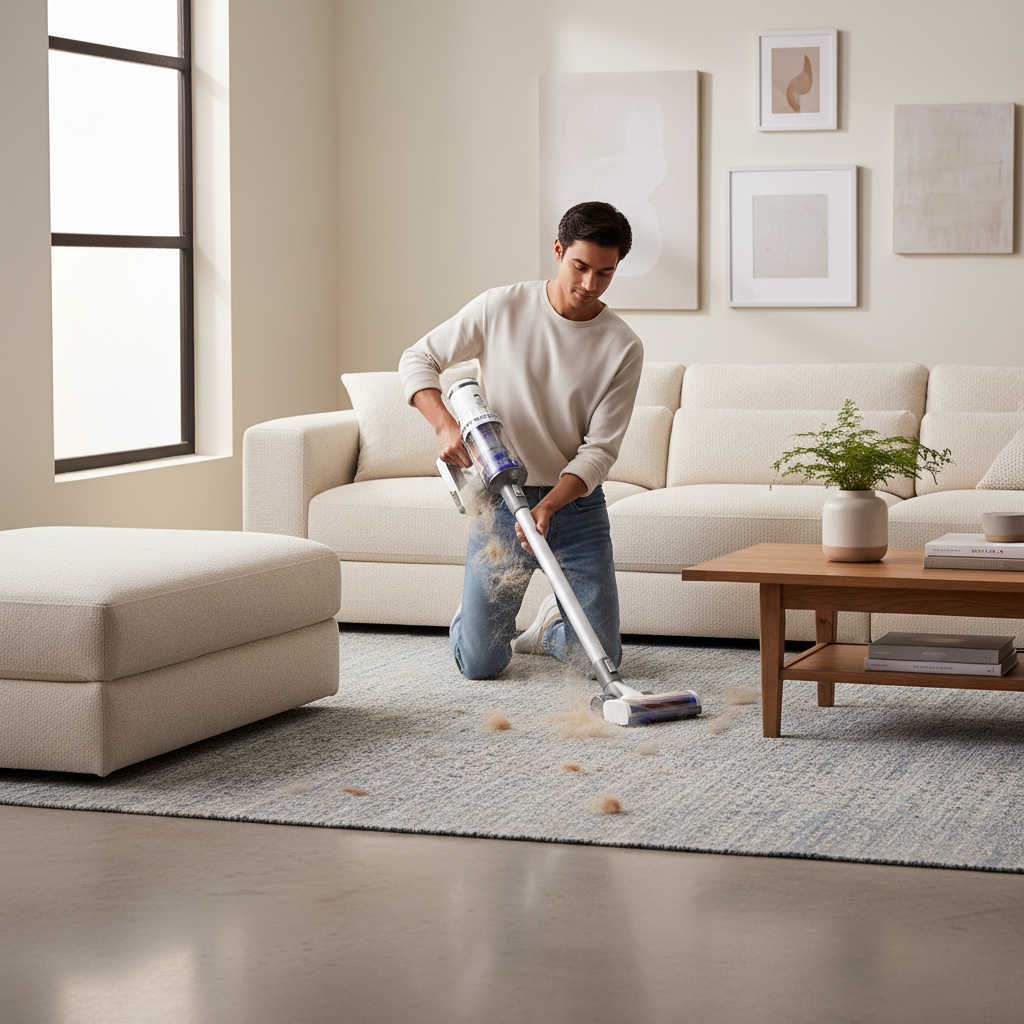
If you’re dealing with stubborn couch hair, a quick pre-step can help: lightly misting a microfiber cloth with water and wiping first reduces static, then vacuuming finishes the job. Keep moisture minimal, and test fabric first.
Common mistakes that waste money (and patience)
- Buying “max suction” and ignoring the head: on pet hair, the roller and airflow path often matter more than peak numbers.
- Running a clogged filter: performance fades gradually, so people assume the vacuum “isn’t strong.” Clean or replace filters on schedule.
- Using carpet mode on hard floors: this can scatter hair and scratch some delicate surfaces, depending on the head.
- Expecting a robot vacuum to replace deep cleaning: robots are great for maintenance, but most homes still need a full-size vacuum for rugs, corners, and upholstery.
- Ignoring noise and weight: if it’s annoying to use, it sits in the closet, and the pet hair builds up again.
When you should consider professional help or a different approach
If pet hair comes with strong odors, visible mold, or persistent respiratory symptoms, a vacuum upgrade might not be the whole answer. In those cases, it can be worth talking with a qualified HVAC or indoor air quality professional, and if health symptoms are significant, consulting a medical professional is a safer step.
Also consider non-vacuum improvements that often move the needle: frequent washing of pet bedding, using a HEPA air purifier in main rooms, and grooming routines that reduce shedding at the source.
Conclusion: picking the right vacuum without overthinking it
The best choice usually comes from matching your floor mix and shedding level to the right head design, then choosing a filtration setup you’ll actually maintain. If your home has lots of upholstery and stairs, prioritize a strong pet tool; if allergies are part of the picture, look harder at sealing and filter quality.
Action steps: write down your floor mix and pain points, then shortlist two vacuum types that match your routine, not your wishful thinking. After that, compare maintenance tasks like roller access and filter care before you compare fancy modes.