
Hamster chew toy mineral stone choices can look simple, but picking the wrong one may mean wasted money, low interest from your hamster, or a product that’s harder on tiny mouths than you expected.
If you’re shopping for one because you noticed long incisors, extra gnawing, or you just want better cage enrichment, you’re in the right place, this guide helps you sort out what these stones actually do, how to choose a safer style, and how to use them without turning your setup into a mess.
Quick heads-up though: mineral stones are not a magic fix for dental issues. They can support normal wear through chewing, but they don’t replace appropriate food texture, a good habitat, and a vet visit if teeth look uneven or your hamster stops eating.
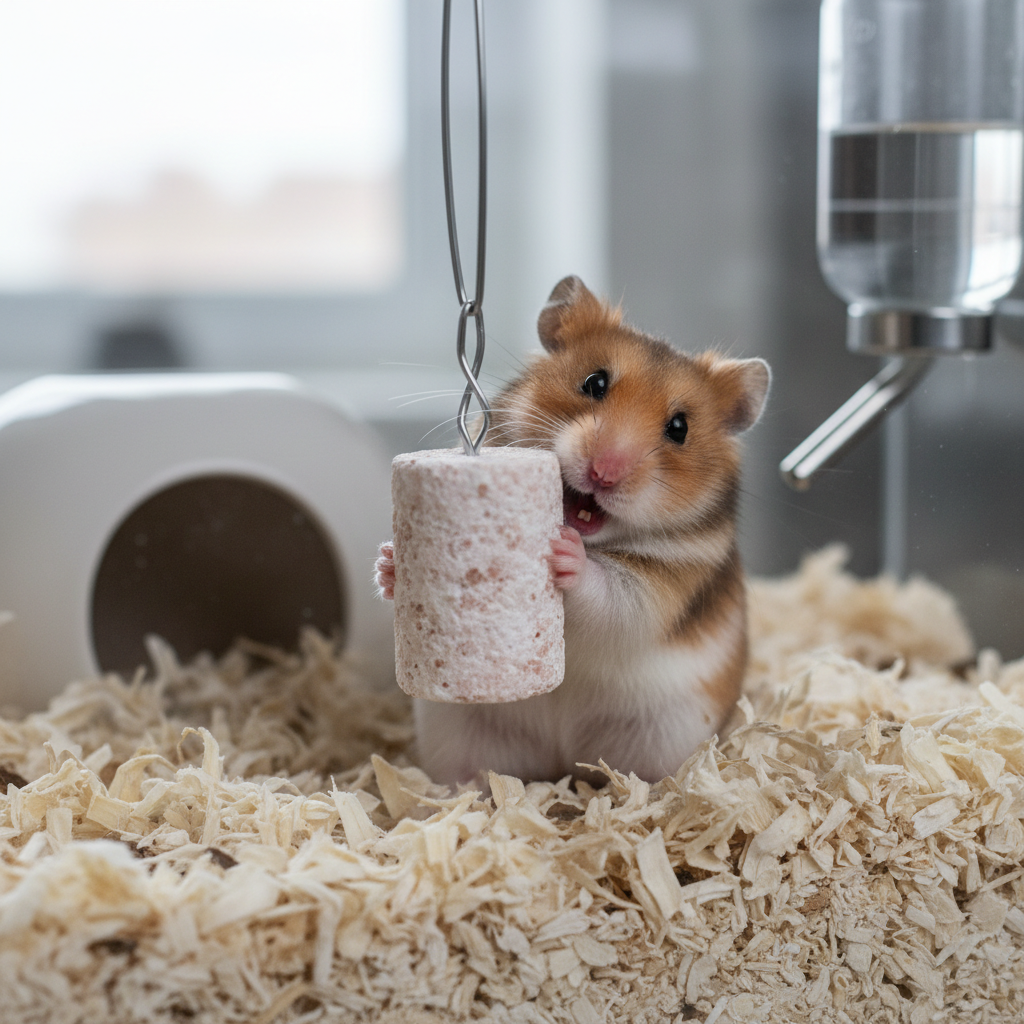
What a mineral stone chew toy really does (and what it doesn’t)
A mineral stone chew toy is mainly a chewable, hard surface meant to encourage gnawing, which can help keep incisors from getting too long in many everyday situations.
What it typically does well: gives your hamster something stationary to work on, adds variety beyond wood, and can be useful for hamsters that ignore softer chews.
What it does not reliably do: “treat” malocclusion, fix uneven tooth growth, or solve drooling, weight loss, and refusal to eat. Those problems often point to a medical or anatomy issue, not a toy issue.
According to American Veterinary Medical Association (AVMA), pets that show signs of illness or pain should be evaluated by a veterinarian. If your hamster is struggling to eat or losing weight, treat the chew toy as a support item, not the plan.
Why hamsters need chew options in the first place
Hamster incisors grow continuously. In a well-balanced setup, normal chewing and eating habits usually wear them down, but in real homes, a few things commonly throw that balance off.
- Diet texture is too soft: a menu heavy on soft foods can reduce natural wear.
- Not enough variety: one chew type might be ignored, especially if it tastes odd or feels unstable.
- Stress or boredom: some hamsters chew more when under-stimulated, others chew less and get overgrowth.
- Dental alignment issues: teeth may not meet correctly, so they don’t grind down evenly.
That’s why a mineral stone can be helpful, but it’s most effective when it’s part of a small “chew menu,” not the only option.
How to choose a safer hamster chew toy mineral stone
Shopping is where people get tripped up. Many listings look similar, but the details matter because hamsters are tiny, persistent chewers.
Material and additives: what to look for
- Simple ingredient list: fewer dyes and fragrances usually means fewer unknowns.
- Pet-intended product: avoid craft plaster, sidewalk chalk, or “mineral” blocks meant for other animals unless a vet specifically okays it.
- No sharp edges: chips and jagged corners can irritate lips or cheeks.
Shape and mounting: stability matters
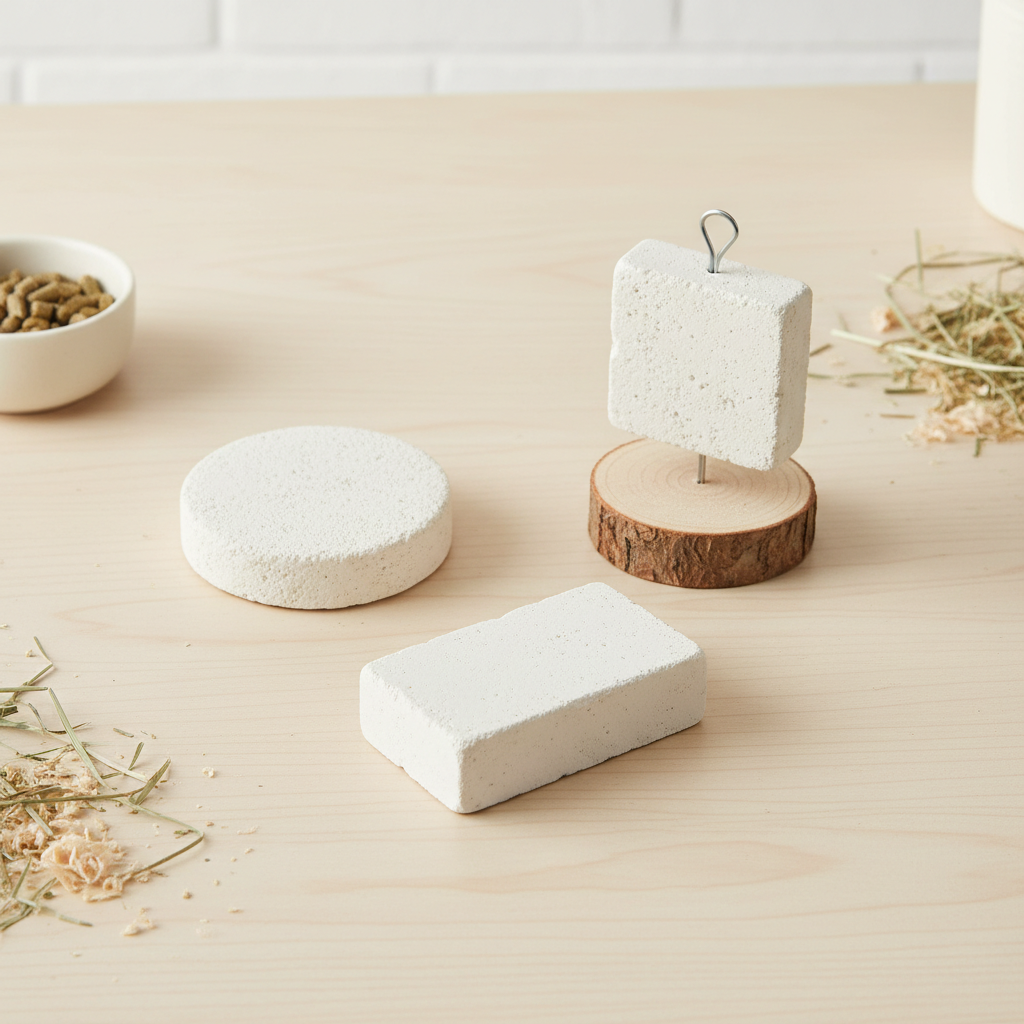
Many hamsters lose interest if the stone slides around. A mounted or well-anchored piece often gets used more consistently.
- Mounted stones with a bracket can be easier to position near a favorite corner.
- Freestanding stones should be heavy enough not to flip, but not so big they dominate floor space.
- If a stone crumbles into powder fast, it’s usually not a great value and can dirty bedding quickly.
Quick self-check: does your hamster actually need this?
Before you add another item to the cart, it helps to separate “normal chewing” from “possible dental problem.” Use this quick checklist as a reality check.
Usually normal
- Chews on wood, cardboard, or stones a little each day
- Eating stays normal, no wet chin, no strong odor
- Incisors look fairly even and not dramatically long
Worth watching more closely
- Chewing increases suddenly along with pacing or hiding
- Incisors look slightly uneven, but hamster still eats well
- Droppings get smaller, which can happen if food intake drops
Get professional help sooner rather than later
- Stops eating or struggles to pick up food
- Visible overgrowth or curled incisors
- Wet chin, pawing at mouth, weight loss
According to American Animal Hospital Association (AAHA), changes in eating behavior and weight can be important warning signs in small pets. For hamsters, problems can escalate quickly, so if your gut says “this looks off,” a vet consult is a reasonable move.
Mineral stone vs. other chew options (a practical comparison)
Most cages do best with two to four chew textures. Here’s a simple comparison to help you balance your setup.
| Chew type | Why it helps | Common drawbacks | Best for |
|---|---|---|---|
| Mineral stone | Hard surface, long-lasting when quality is good | Some are crumbly, some hamsters ignore them | Hamsters that like firm chews |
| Apple wood / safe wood chews | Natural gnawing texture, easy to replace | Can splinter if poor quality, gets soggy in humid cages | Most hamsters as a baseline chew |
| Cardboard (plain) | Free enrichment, shredding outlet | Not very durable, messy fast | Boredom relief and nesting behavior |
| Hay-based chews | Texture variety, some hamsters nibble | Often ignored by Syrians, can mold if damp | Texture variety, occasional use |
How to use it in the cage (so it gets chewed, not just displayed)
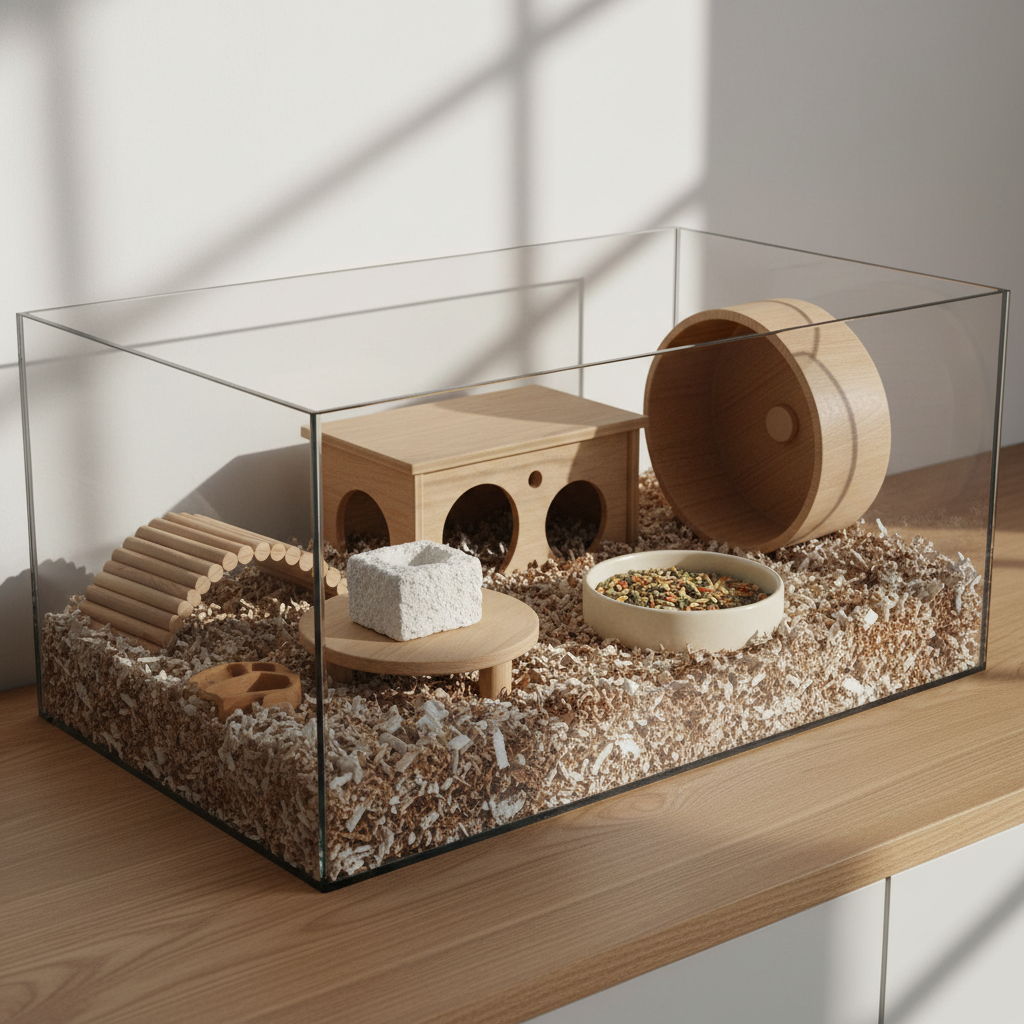
Placement is the difference between “my hamster loves this” and “this sat there for three months.” Many hamsters prefer chewing near a hideout entrance, along a wall, or next to a food zone.
Step-by-step setup
- Start with one stone so you can observe interest and mess level.
- Place it near a routine path, not in the middle of open space.
- Anchor it: mount it to a cage wall if designed for that, or nestle it slightly into bedding so it doesn’t skid.
- Pair it with one other chew texture nearby, wood or cardboard often works.
Rotation trick (simple but effective)
If your hamster ignores the mineral stone chew toy after a week, remove it for 7–10 days and reintroduce it in a new spot. Many hamsters react to “new” more than “better.”
Common mistakes (the stuff that quietly causes problems)
People usually don’t “mess up” dramatically, it’s the small assumptions that cause the most frustration.
- Relying on one item: a hamster that dislikes stone texture won’t suddenly change its mind.
- Assuming more minerals equals healthier: “mineral” does not automatically mean “needed.” Extra supplementation can be unnecessary, and in some cases may not be appropriate. If you’re unsure, ask a vet who sees exotics.
- Ignoring warning signs: if incisors look uneven, adding chews alone may delay the care that actually helps.
- Buying ultra-cheap crumbly stones: they can turn into powder quickly, raising cleaning workload and lowering chewing value.
According to ASPCA, it’s important to avoid products that could be harmful if chewed or ingested. With small pets, “questionable materials” is a bigger risk than many owners expect.
Key takeaways (keep this part handy)
- Use a mineral stone as one option, not the only chew in the habitat.
- Prioritize simple materials, stable shapes, and smooth edges.
- Place it where your hamster already spends time, then rotate if ignored.
- If you see eating trouble, weight loss, wet chin, or severe tooth overgrowth, consult an exotic vet.
Conclusion: a mineral stone is helpful when the basics are right
A hamster chew toy mineral stone can be a solid add-on for everyday tooth wear and enrichment, especially for hamsters that prefer harder textures, but it works best when diet, cage setup, and chew variety already make sense. If you’re seeing true dental red flags, treat the stone as support while you line up professional guidance.
If you want one practical next step, add one stone plus one wood chew, place both near a high-traffic corner, and watch chewing behavior for a week, you’ll learn more from that than from buying five different “solutions” at once.
FAQ
Is a hamster mineral stone chew toy safe?
Many are likely safe when made for small pets and used as directed, but safety depends on ingredients, hardness, and how the stone breaks down. If it crumbles into sharp chunks or has strong dyes or fragrance, I’d skip it.
How often should I replace a mineral stone?
Replace it when it gets dirty, develops sharp edges, or becomes so small that it could be carried and wedged somewhere. Some last weeks, others months, quality and chewing style vary a lot.
My hamster ignores the mineral stone, what should I do?
Try moving it next to a hide entrance or along a wall and remove other “favorite” chews for a short time. If there’s still no interest, switch textures, wood, cardboard, and woven grass often get better engagement.
Can mineral stones fix overgrown hamster teeth?
Sometimes they help with mild wear needs, but they can’t correct alignment problems or advanced overgrowth. If teeth look long, crooked, or your hamster eats less, a vet assessment is the safer path.
Are mineral stones the same as salt licks?
No, and that confusion causes trouble. Some products are marketed similarly, but salt-focused blocks may not be appropriate for hamsters in many situations. If the label emphasizes salt, it’s worth double-checking with an exotic vet.
Where should I place a chew stone in the cage?
Near routines: close to the hide, beside a food area, or along a wall corridor. In open center areas, many hamsters feel exposed and won’t stop to chew.
What are signs my hamster needs a vet for dental issues?
Wet chin, pawing at mouth, dropping food, weight loss, or visible uneven incisors are all reasons to get help. Small animals can decline quickly, so it’s better to be early than “wait and see” too long.
If you’re trying to build a chew setup that’s easier to maintain, consider choosing one durable mineral stone plus two different chew textures, then rotate them weekly, it keeps interest up without turning your cage into a cluttered toy bin.