
bird cage seed catcher skirt is one of the simplest ways to cut down the “why is there seed everywhere?” problem without changing your bird’s routine.
If you’ve ever swept around the cage and still felt like you missed half the mess, you’re not alone, seed hulls are light, they bounce, and drafts push them farther than you’d think. A catcher skirt won’t eliminate cleaning, but it usually turns a daily chore into something closer to a quick wipe and a less-panicked vacuum schedule.
This guide breaks down why the mess happens, how to choose a skirt that actually fits your cage, and the setup details that make the difference between “nice idea” and “wow, my floor is staying clean.”
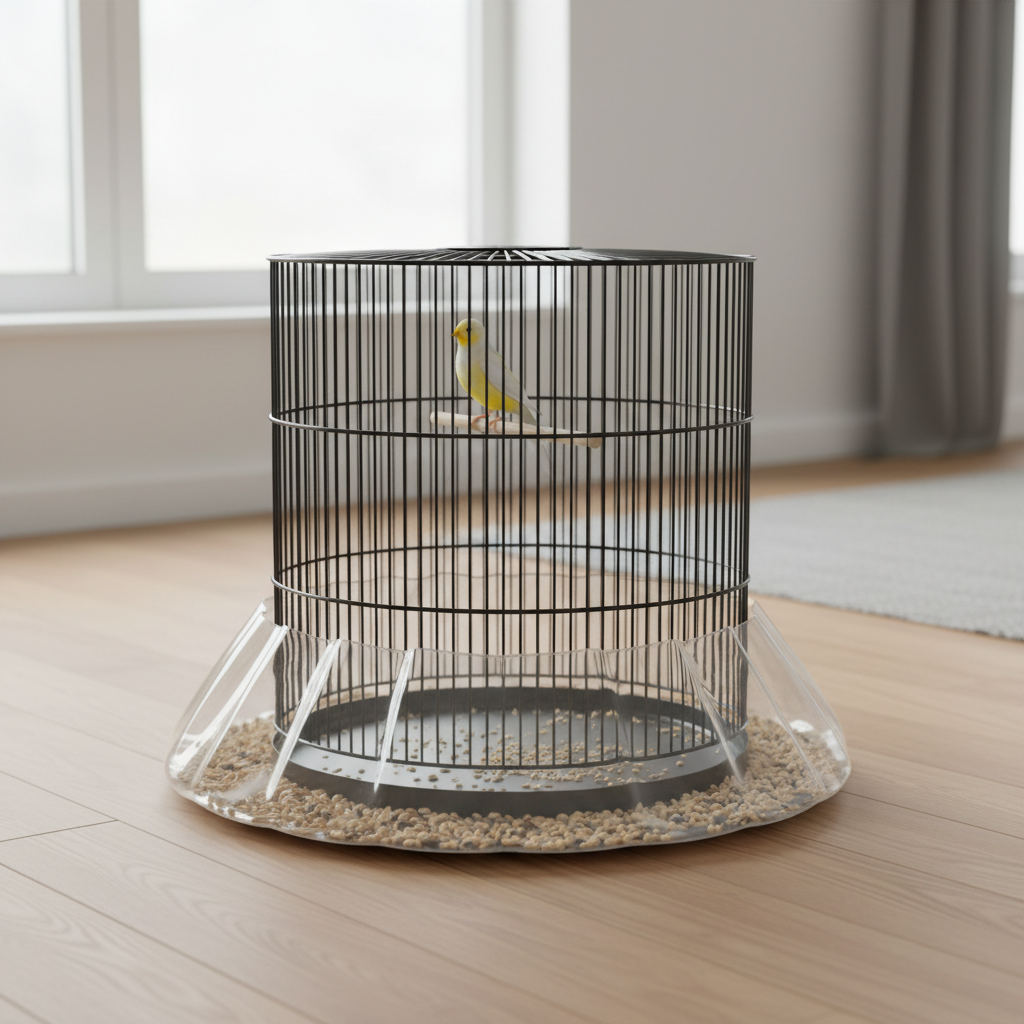
Why seed mess happens (and why it spreads so far)
Most “seed mess” is not whole seed, it’s hulls. Birds crack shells, flick bits aside, and those pieces ride air currents like confetti. The result looks worse than it is, but it still gets into corners and under furniture.
- Active eating behavior: Some birds toss food to pick favorites, especially with mixed seed blends.
- Perch and bowl placement: Bowls near cage bars give hulls an easy exit path.
- Wing drafts: Flapping can blow lightweight debris outward.
- Room airflow: HVAC vents and fans can carry hulls several feet.
According to the American Veterinary Medical Association (AVMA), good hygiene in pet environments matters for both pets and people, so reducing debris buildup is not just about appearances, it can support a cleaner routine overall.
What a seed catcher skirt actually does (and what it won’t do)
A seed catcher skirt acts like a barrier around the cage perimeter. Instead of hulls landing on the floor, many get intercepted and fall into the skirt pocket or onto the cage stand area where you can remove them more easily.
What it typically helps with:
- Seed hulls and dry food crumbs that shoot out sideways
- Mess caused by excited flapping or hopping between perches
- Reducing how far debris travels from the cage
What it usually won’t solve by itself:
- Dust from feathers, pellets, or dander (you may still need an air purifier and regular wipe-downs)
- Sticky food from fruit or veggies (fabric can stain and hold moisture)
- Mess from the top if your bird spends time on the cage roof with snacks
Quick self-check: do you need a skirt, a tray upgrade, or both?
Before you buy, it helps to be honest about where the mess comes from. Different problems need different fixes.
- If most mess is within 1–2 feet of the cage: a bird cage seed catcher skirt is often enough.
- If hulls reach across the room: check airflow, move the cage away from vents, and consider a taller skirt.
- If the tray area is the main problem: you may need deeper tray liners or a tighter grate fit.
- If you see wet splatter: focus on bowl placement and cleaning frequency, not just a skirt.
How to choose the right bird cage seed catcher skirt
The “no mess” promise usually comes down to fit and fabric. A loose skirt with gaps won’t catch much, and a stiff skirt that scares your bird won’t last long in real life.
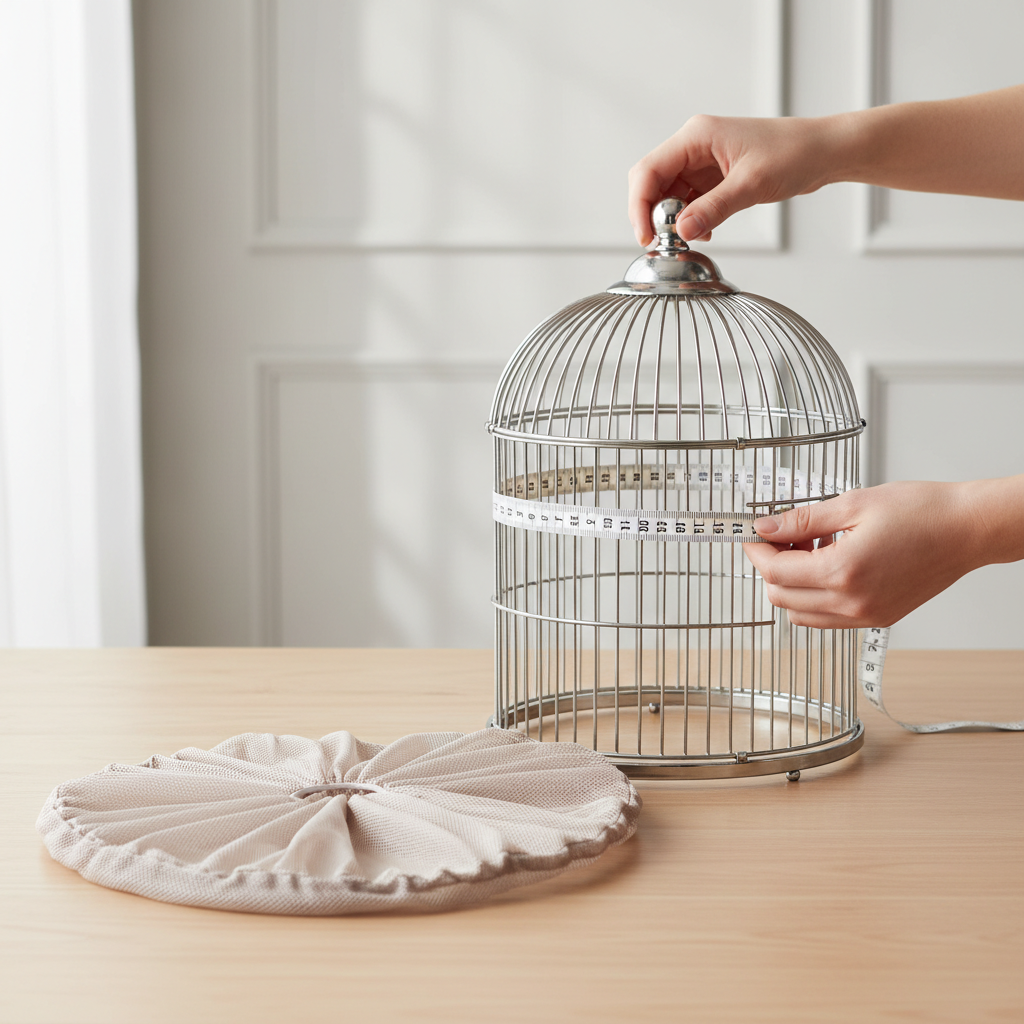
1) Fit: circumference and height matter
- Measure around the cage: use a tape measure at the height where the skirt will sit.
- Pick enough height: small birds often do fine with shorter skirts, bigger birds or enthusiastic eaters tend to need more coverage.
- Check for stand interference: make sure it won’t snag wheels, cabinet doors, or tray slides.
2) Material: mesh vs. fabric vs. clear plastic
- Fine mesh: common choice, breathable, tends to reduce visual bulk, may let very fine dust through.
- Polyester fabric: can catch more debris, but stains more easily with fresh foods.
- Clear plastic (guard style): easy to wipe, better for splash control, but can trap humidity and may feel “loud” to sensitive birds if it moves or crinkles.
3) Attachment style: elastic, drawstring, clips
Elastic and drawstring styles are popular because they install fast, but you still want a secure hold so birds can’t pull it inward. If your bird chews anything within reach, prioritize sturdier edges and position it so it sits outside the bar line.
Setup that makes it “no mess” in real life
A catcher skirt works best when it’s part of a small system, not a single magic accessory. This is the part many people skip, then assume the product “doesn’t work.”
- Lower the bowls slightly: placing food bowls a bit farther from the bars often reduces direct “launching.”
- Use a calmer seed mix approach: if your bird selectively tosses, consider transitioning to pellets with guidance from an avian vet, especially for diet balance.
- Block airflow: keep the cage away from vents or add a simple draft break behind the cage.
- Train by exposure: introduce the skirt gradually if your bird startles, install it for short periods, then increase time.
According to the Association of Avian Veterinarians (AAV), husbandry and environment play a big role in bird wellness, so when you adjust cage setup, keep stress low and changes gradual, especially with nervous birds.
Comparison table: what to pair with a seed catcher skirt
If you want a cleaner area around the cage, pairing tools is usually more effective than buying a single “bigger” product.
| Mess type | Common cause | What helps most |
|---|---|---|
| Seed hulls on floor | Flicking, drafts, bowl near bars | Seed catcher skirt + bowl reposition |
| Fine dust on nearby furniture | Dander, pellet dust, airflow | Air purifier (HEPA) + damp wipe routine |
| Wet splatter (fruit/veg) | Juicy foods, sloppy drinking | Wipeable guard + better bowl placement |
| Trash under the stand | Tray gaps, liner shift | Deeper liners + adjust grate/tray fit |
Common mistakes (the stuff that quietly ruins results)
- Buying the wrong size: too small means gaps, too big means sagging that birds may grab.
- Letting the skirt sit inside the bar line: it becomes a chew target and can end up pulled inward.
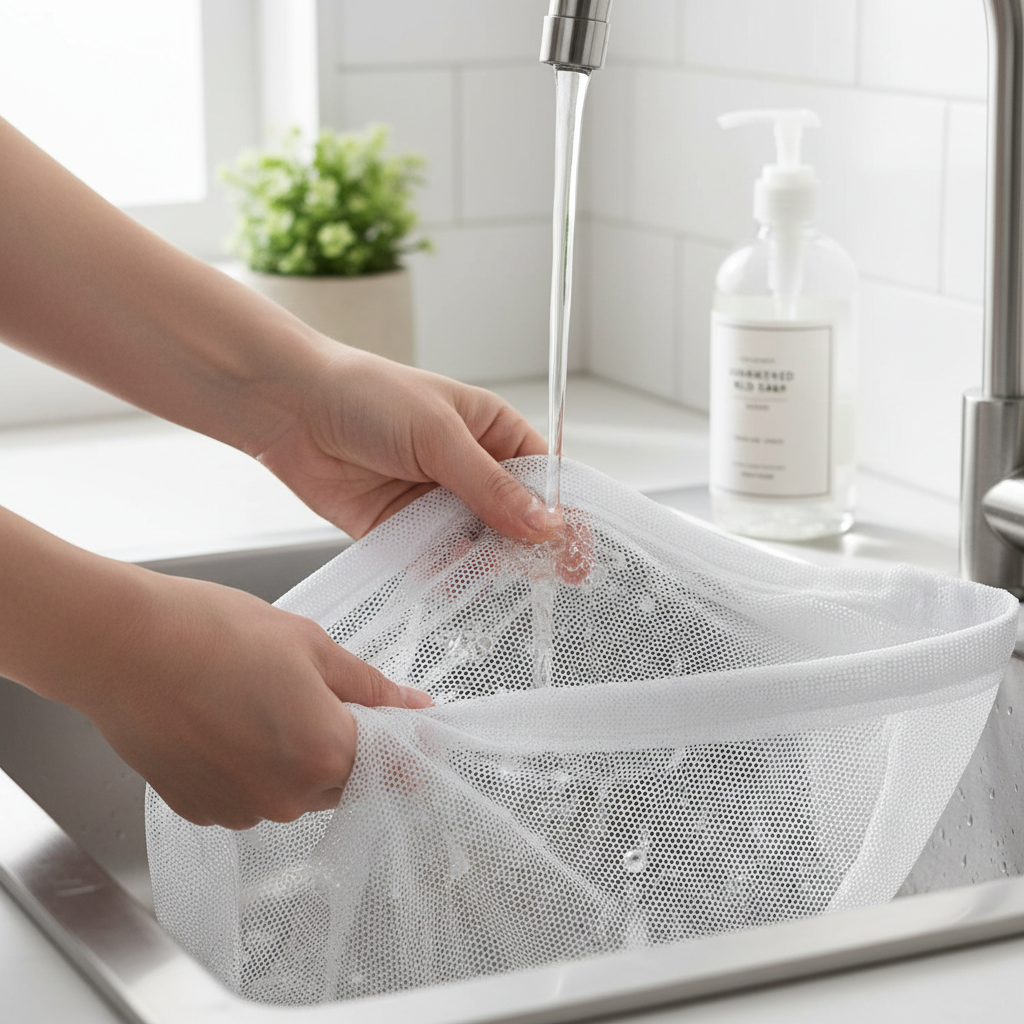
- Skipping cleaning: skirts collect debris, if you don’t empty and wash them, smell and mold risk can rise, especially in humid homes.
- Using harsh cleaners: strong fragrances can irritate birds, many owners stick to gentle soap and thorough rinsing, but if you’re unsure, ask an avian professional.
When to ask for extra help (behavior, health, or safety)
If your bird suddenly starts throwing food aggressively, stops eating normally, or shows stress behaviors when you add new accessories, it’s worth slowing down. Sometimes a “mess problem” is also a routine or comfort problem.
- Diet changes: if you’re moving away from seed-heavy feeding, an avian veterinarian can help guide a safe transition.
- Respiratory concerns: excessive dust, sneezing, or changes in breathing deserve professional attention quickly.
- Chewing hazards: if your bird ingests fibers or plastic bits, stop using the item and consult a professional.
Key takeaways before you buy
- A bird cage seed catcher skirt works best when size and placement match your cage and your bird’s habits.
- Mesh reduces the “bulky” look, plastic wipes easier, fabric may catch more but stains faster.
- Small setup tweaks, especially bowl position and airflow control, often matter as much as the skirt itself.
Conclusion: a cleaner cage area without obsessing
A seed catcher skirt is not a miracle, but in many homes it’s the difference between constant sweeping and a quick, predictable cleanup. Pick a size that closes gaps, choose a material you’ll actually maintain, then fine-tune bowl placement and airflow, that’s where the “no mess” feeling usually comes from.
If you want one practical next step, measure your cage today and note where hulls land most often, that little map tells you how tall and how snug your catcher needs to be.
FAQ
What size bird cage seed catcher skirt should I get?
Measure the cage circumference where the skirt will sit, then choose a size that tightens without stretching to the limit. If you’re between sizes, many people prefer slightly larger with a better cinch, but too much slack can sag and invite chewing.
Will a seed catcher skirt work for pellets and not just seeds?
Usually, yes, it can catch pellet crumbs and dried bits. Pellet dust is finer though, so you may still notice dust on nearby surfaces, pairing with a gentle wipe routine or an air purifier often helps.
Is mesh or clear plastic better for “no mess” results?
Mesh tends to look lighter and lets air move, plastic wipes clean and can block splash. If your main issue is dry hulls, mesh often feels easier, if you deal with wet mess, a wipeable guard may be more satisfying.
How often should I clean the catcher skirt?
For many cages, shaking out debris a few times a week works, with a wash on a regular schedule depending on humidity and diet. If you feed fresh foods often, cleaning more frequently helps reduce odors and moisture problems.
My bird is scared of the skirt, what can I do?
Go slower than you think you need to. Let your bird see the skirt nearby, then install it for short periods, offering calm reinforcement. If fear stays intense or affects eating, it’s smart to pause and ask an avian professional.
Can a seed catcher skirt replace cage liners?
Not really. The skirt reduces what escapes the cage, but liners handle droppings and tray debris. Most owners use both, because they solve different parts of the mess.
Why is there still mess even after I installed one?
Two common reasons are gaps from poor sizing and airflow carrying debris up and over the barrier. Check for open spots near doors or stands, then look at vents, fans, and where bowls sit relative to bars.
Want an easier cleanup routine?
If you’re trying to cut daily sweeping and you’d rather set up a simple “catch and empty” system, a well-fitted bird cage seed catcher skirt paired with small cage-layout tweaks is often the most straightforward path, and it’s easy to adjust over time as you learn your bird’s habits.