
Cat grooming wipes hypoallergenic shoppers pick are usually trying to solve a specific problem: you need a quick clean-up, but you don’t want to trigger itching, redness, or a fragrance-related meltdown for a sensitive cat.
No-rinse wipes can be genuinely helpful for in-between baths, post-litter-box mess, senior cats who dislike brushing, and households managing dander. The catch is that “hypoallergenic” on a label isn’t a magic shield, it’s more of a signal to look closer at ingredients, residue, and how your cat reacts over the next 24–48 hours.
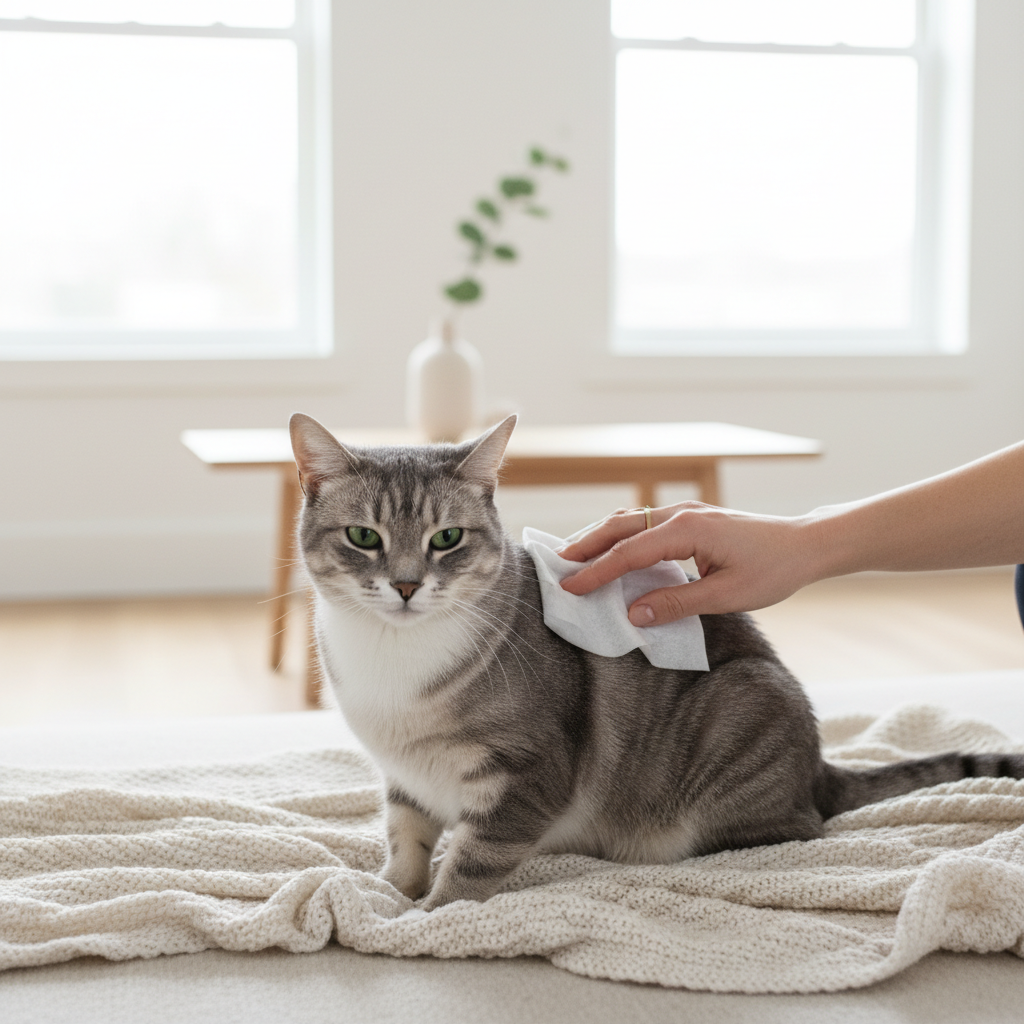
This guide breaks down what “hypoallergenic” typically means in practice, which formulas tend to work for sensitive skin, how to use wipes without causing more shedding or irritation, and when it’s smarter to call a veterinarian.
What “hypoallergenic” means for cat wipes (and what it doesn’t)
In pet grooming, “hypoallergenic” usually suggests the product is formulated to reduce common irritants such as heavy fragrance, harsh surfactants, or certain preservatives. It does not guarantee your cat won’t react.
Also, wipes don’t remove allergens in the same way a bath might, they mainly lift surface debris like loose dander, saliva residue, and dust. That still matters, especially for quick maintenance.
- Helpful expectation: gentler ingredients, less scent, fewer “extra” additives.
- Unhelpful expectation: “This will fix allergies” or “This can replace medical care.”
According to the FDA, pet grooming products fall into a patchwork of categories, and marketing terms can vary, so it’s worth reading the ingredient list and directions rather than trusting the front label alone.
Common situations where no-rinse cat wipes actually make sense
Wipes are not just for “dirty cats.” Many owners use them for targeted, low-stress cleanup where a full bath would be overkill or unsafe.
Good use cases
- Senior cats who groom less effectively or struggle with mobility.
- Overweight cats with hard-to-reach areas (often lower back, base of tail).
- Post-procedure restrictions where bathing is discouraged, but mild cleaning is needed (your vet’s instructions come first).
- Spot cleaning paws, rear, or chin after messy meals.
- Multi-cat homes where mild odor and dander build up between deep cleanings.
Times to pause and rethink
- Open sores, hot spots, or raw skin.
- Suspected ringworm, mites, or fleas without a treatment plan.
- Severe matting where wiping just drags and tugs.
Ingredient check: what to look for (and what to avoid)
If you’re buying cat grooming wipes hypoallergenic options online, ingredient lists can be vague. Still, there are patterns that often correlate with fewer reactions in sensitive cats.
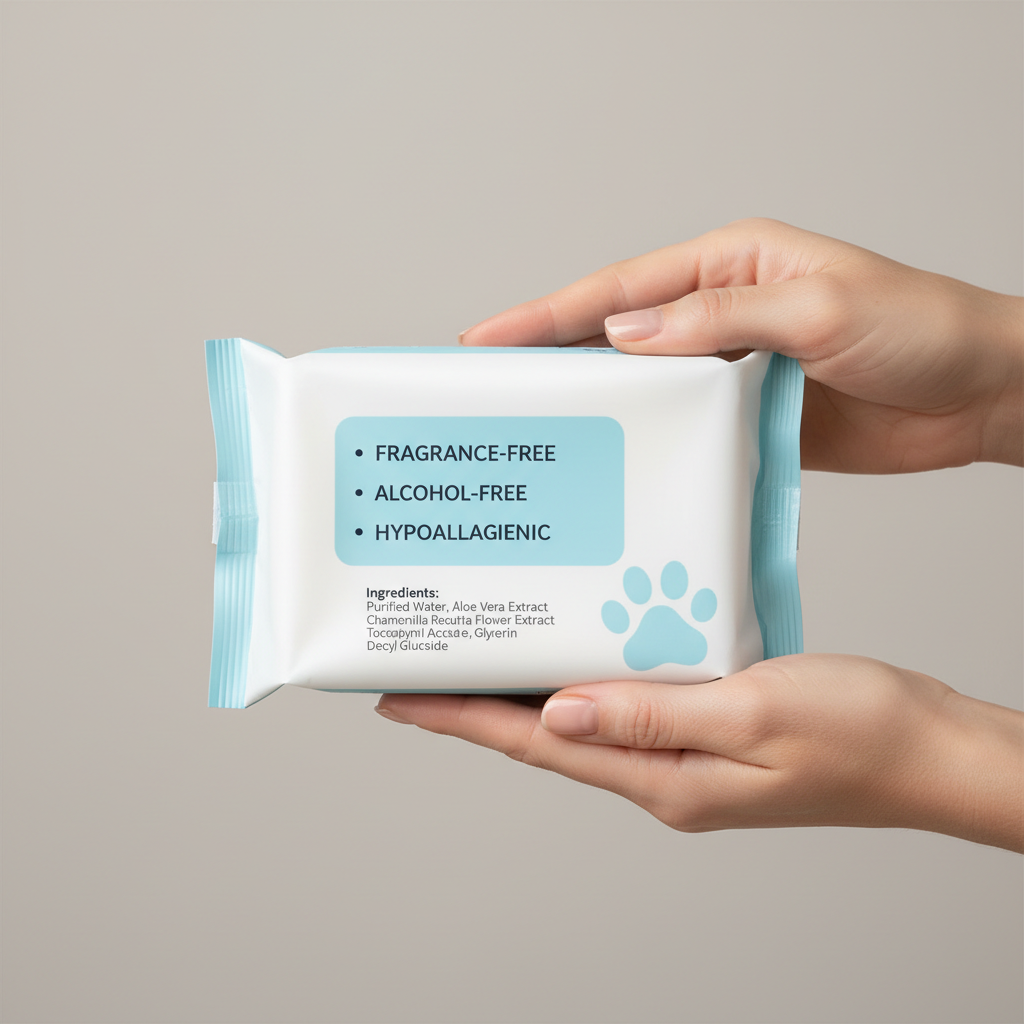
Often preferred for sensitive skin
- Fragrance-free or very lightly scented (cats can be scent-sensitive).
- Alcohol-free (alcohol can sting and dry out skin).
- Simple moisturizers like aloe or glycerin, used in moderate amounts.
- pH-appropriate formulas made specifically for cats (not “pet” in general, if you can help it).
Common triggers to be cautious with
- Strong fragrance or essential oils (some cats react with drooling, avoidance, or skin irritation).
- Heavy residue formulas that make fur feel sticky, this can lead to over-licking.
- Harsh detergents that leave the coat dull or the skin flaky after a day or two.
According to the ASPCA Animal Poison Control Center, some essential oils can be problematic for cats depending on the type and exposure. If a wipe is heavily “botanical” or perfumed, it’s reasonable to be extra conservative.
Quick self-check: is your cat a good candidate for hypoallergenic wipes?
Before you commit to a big pack, do a quick reality check. This saves money and avoids the cycle of “buy, wipe, scratch, regret.”
- Your goal is maintenance: mild odor, loose dander, small smudges, post-meal chin cleaning.
- Your cat tolerates handling for 30–90 seconds without panic.
- No active skin infection signs: oozing, crusting, intense redness, bald patches.
- You can monitor licking: some cats obsessively groom after a wipe, which can worsen irritation.
- You can trial slowly: one area, one wipe, then observe.
If you check most boxes, wipes can be a solid “between grooming sessions” tool, not a cure-all.
How to use no-rinse cat wipes without causing irritation
The technique matters more than most people expect. Rushing tends to spread dirt, tug fur, and leave too much moisture behind.
Step-by-step (practical, low-stress)
- Start with one small zone, like the back or shoulders, avoid face at first.
- Wipe with the grain of the fur, using light pressure, think “polish,” not “scrub.”
- Use one wipe per task when cleaning messy areas, switching prevents re-smearing.
- Let the coat air-dry before your cat goes into a cold drafty spot.
- Brush after drying if your cat tolerates it, this lifts loosened dander and reduces residue feel.
Face and paws: special handling
- Eyes, nose, mouth: use a separate cat-safe facial wipe if the brand offers it, or consult your vet for guidance.
- Paws: wipe each paw with a clean section, then dry lightly, especially between toes.
According to the American Veterinary Medical Association (AVMA), cats are meticulous groomers and can ingest substances left on the coat, so products should be used exactly as directed and kept as simple as possible for frequent use.
Choosing the right wipe: a comparison table that’s actually useful
Most shoppers compare price first, but sensitive cats usually respond better when you compare formula details and residue behavior.
| What you compare | Why it matters | What to aim for |
|---|---|---|
| Fragrance level | Strong scent can trigger avoidance, drooling, or skin reactions | Fragrance-free or very light |
| Moisture level | Too wet leaves coat damp and encourages over-licking | Moist, not dripping |
| Wipe texture | Rough wipes tug fur, especially in long-haired cats | Soft, smooth, low-lint |
| Residue after drying | Sticky feel can increase grooming and irritation | Clean finish, no tackiness |
| Ingredient simplicity | Fewer “extras” often reduces reaction risk | Short list, cat-specific |
| Package seal | Dried-out wipes become scratchy and ineffective | Strong reseal lid or snap cap |
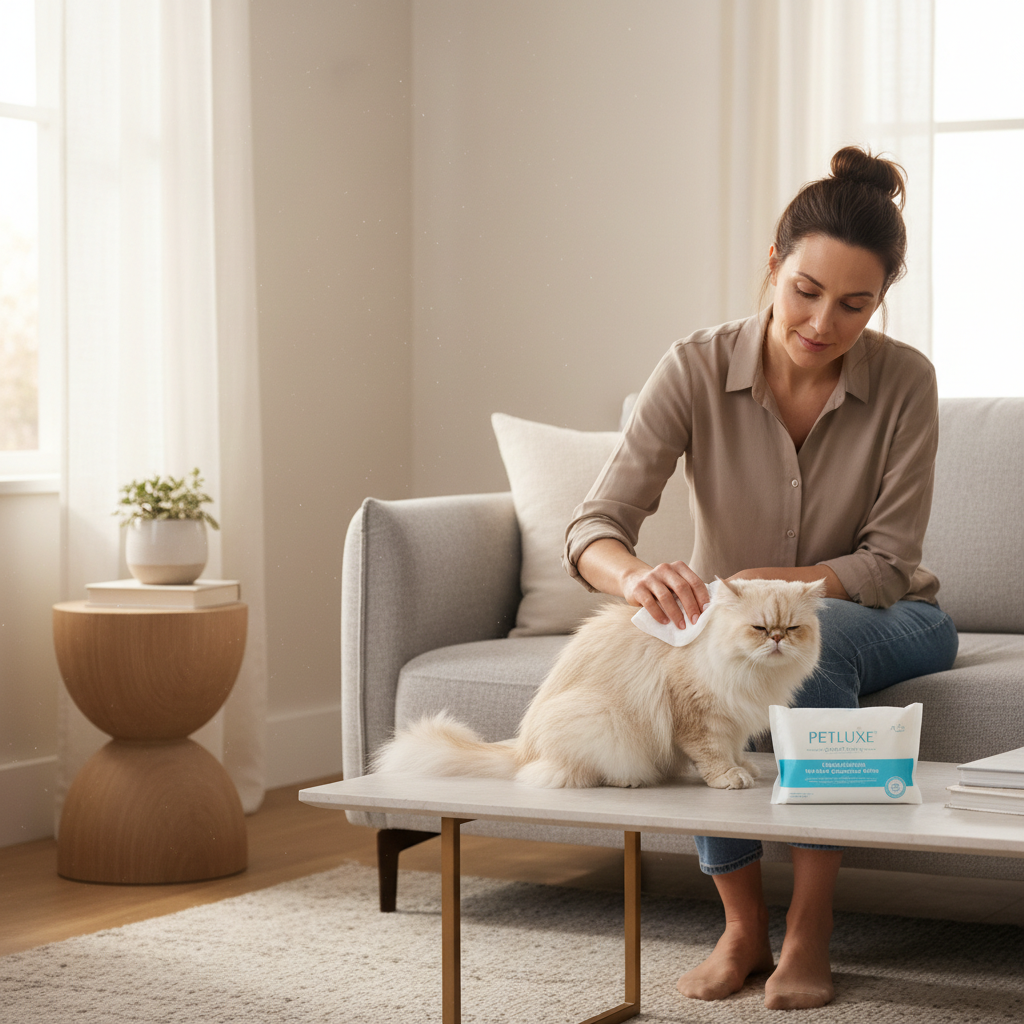
If your cat has reacted to products before, choosing cat grooming wipes hypoallergenic formulas with minimal scent and minimal residue is usually the safest starting point.
Common mistakes that make “hypoallergenic” wipes backfire
- Over-wiping in one session: more passes mean more friction, especially on thin-belly fur.
- Using dog wipes on cats: “pet” is not always “cat,” and cats lick more thoroughly.
- Cleaning the face with a body wipe: eyes and mouth areas are less forgiving.
- Ignoring the next-day signal: some reactions show up as next-day itchiness, not immediate redness.
- Trying to mask medical issues: persistent odor, greasy coat, or dandruff can point to an underlying problem.
Key takeaway: the “no rinse” convenience is real, but your cat still needs time to adjust, and you need a plan for what you’ll do if irritation starts.
When it’s time to talk to a veterinarian
Wipes are a grooming tool, not a treatment. If any of the situations below show up, it’s reasonable to pause wipes and ask a professional for next steps.
- Red, inflamed skin that persists beyond a day or two.
- Hair loss in patches, scabs, or a “peppered” look that could suggest parasites.
- Strong recurring odor from ears, skin folds, or rear end.
- Compulsive licking right after wiping, especially if the cat seems distressed.
- Chronic dandruff or greasy coat that returns quickly.
Many skin issues look similar at home, allergies, mites, fungal infections, and dermatitis can overlap, so a veterinarian’s exam may save you weeks of trial-and-error.
Conclusion: the practical way to get results with sensitive cats
Cat grooming wipes hypoallergenic products can be a low-stress bridge between deeper grooming sessions, especially when you choose a simple, low-residue formula and use a lighter hand than you think you need.
If you want one clear action plan, start with a small-area patch test, keep sessions short, and watch the next-day coat feel and scratching behavior. If the skin looks angry or the grooming turns obsessive, stop and get guidance from a veterinarian.
FAQ
Are hypoallergenic cat wipes safe for daily use?
Some can be, but daily use depends on your cat’s skin, how wet the wipes are, and whether residue encourages extra licking. If you need daily cleaning, pick a very simple formula and reassess if dryness or itch shows up.
Do no-rinse wipes reduce allergens for people with cat allergies?
They can help a bit by lifting loose dander and saliva residue on the coat, but results vary a lot by cat and household routine. Many people get better outcomes pairing wipes with brushing and regular cleaning of fabrics.
What if my cat licks right after I use grooming wipes?
Occasional licking is normal, but intense, nonstop grooming can signal irritation or an unpleasant taste. Try using less product, wiping a smaller area, and choosing fragrance-free wipes; if it persists, ask your vet.
Can I use baby wipes instead of cat grooming wipes?
It’s tempting, but not always a great swap. Baby wipes may contain fragrances or ingredients not designed for cats that will lick their coat, so cat-specific options are usually a safer choice.
How do I patch test cat wipes for sensitive skin?
Wipe a small area on the back or side, let it dry, then watch for redness, excessive scratching, or over-grooming through the next day. If anything seems off, discontinue and consider a different formula or veterinary advice.
Will wipes help with dandruff on my cat?
They might temporarily lift flakes, but dandruff often comes from dryness, grooming limitations, or an underlying skin issue. If dandruff is persistent, it’s worth discussing diet, brushing, and medical causes with a vet.
Are scented wipes bad for cats?
Not universally, but sensitive cats often do worse with scented products, and strong fragrance can prompt avoidance or extra licking. If your cat has a history of reactions, fragrance-free is a safer starting point.
If you’re trying to keep a sensitive cat comfortable between baths, a simple routine usually wins: pick a gentle, cat-specific wipe, test slowly, and keep notes on what your cat tolerates. If you’d rather skip the guessing, consider asking your veterinarian for product-type guidance based on your cat’s skin history.