
Ferret water bowl stainless steel options are popular for one simple reason, they usually survive the reality of ferret life: digging, tipping, dragging, and turning the water station into a splash zone.
If you have ever refilled the bowl three times before lunch, or found kibble floating like soup, you are not alone. Ferrets are curious, strong for their size, and weirdly proud of making a mess.
This guide breaks down what “non-slip” really means, which bowl shapes tend to work in real homes, what to avoid, and how to set up a water station that stays put without overthinking it.
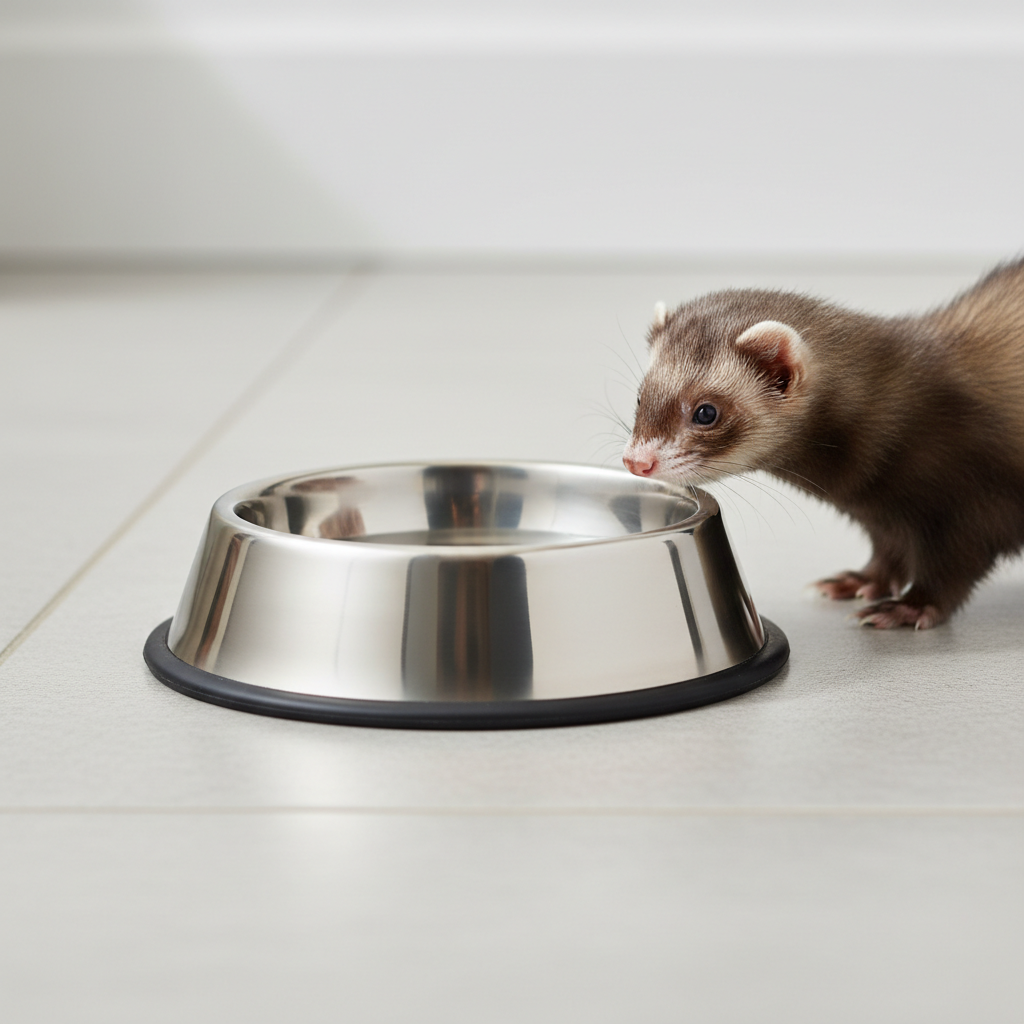
Why stainless steel and non-slip matter (and when they don’t)
Stainless bowls tend to win for ferrets because they resist odors, don’t absorb oils, and are easier to sanitize than many porous materials. That matters more than people expect, since ferrets often dunk toys, stash food nearby, or paw at the water.
“Non-slip” is about friction, not magic. If the bowl is very light, or the floor is slick, a tiny silicone ring may not stop a determined ferret from moving it. A heavier bowl with a wide base is usually the real fix.
There are exceptions. If your ferret chews rubbery edges, a non-slip ring can become a chew target. In those homes, a heavier bowl without exposed rubber, or a bowl set in a holder, may be the safer choice.
Common reasons ferrets tip or drag water bowls
People sometimes assume tipping means the bowl is “bad,” but ferrets often do it because the setup invites it.
- Play and instinct: Many ferrets paw at water like it is a toy, especially young ones.
- Bowl too light: Thin stainless dishes slide easily, even with a small anti-skid ring.
- Wrong shape: Narrow bases flip more easily when a ferret leans on the rim.
- Placement issues: Corners can help stabilize, while open areas give more leverage for dragging.
- Competing smells: If water sits near litter or strong-smelling food, some ferrets paw and “rearrange” the area.
- Low water level: A nearly empty bowl is easier to flip, and some ferrets react to “not enough water” by digging.
According to the American Veterinary Medical Association (AVMA)...clean, readily available water is a basic daily need for companion animals, so the goal is not just less mess, but consistent access.
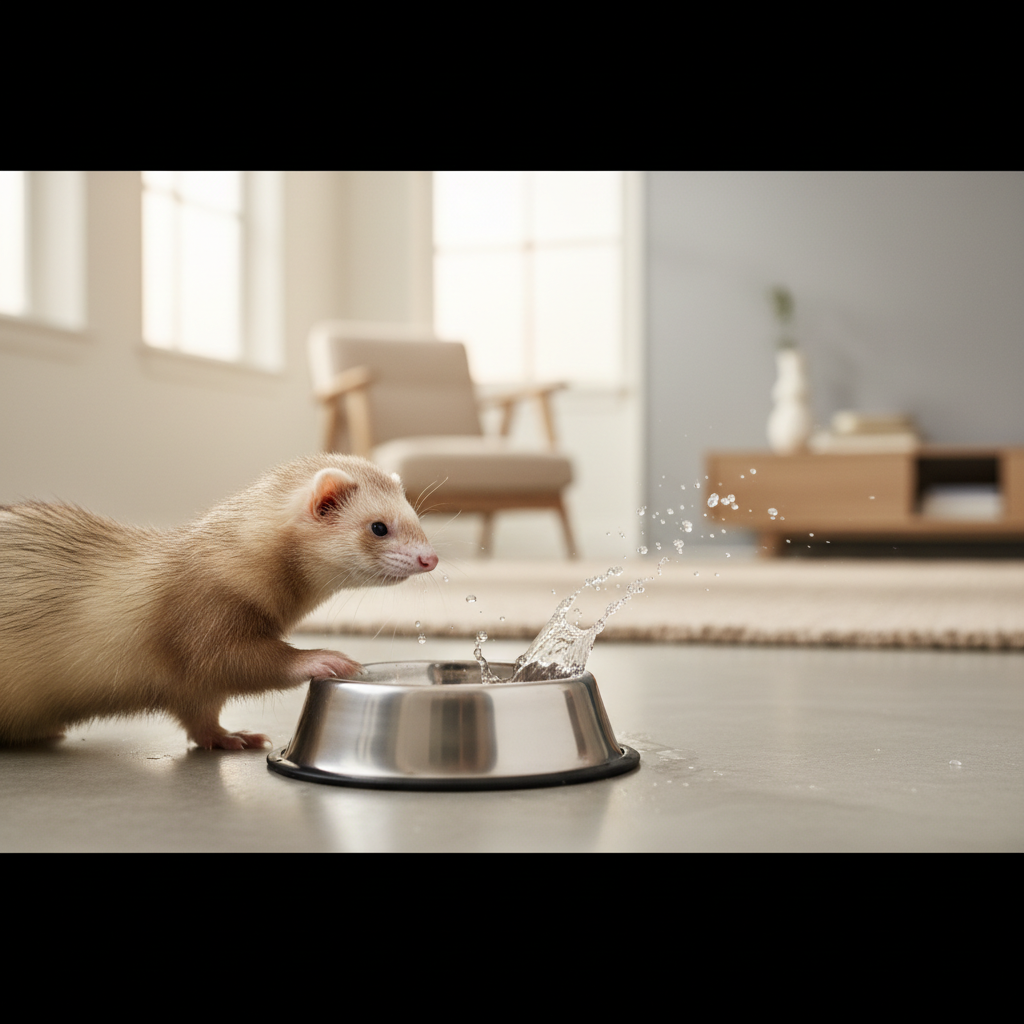
Quick self-check: what kind of “messy drinker” is your ferret?
Before buying another bowl, it helps to label the problem. Different behaviors respond to different fixes.
- The Digger: paws rapidly, “swims,” splashes water out. Usually needs a deeper, wider bowl and a splash-resistant setup.
- The Flipper: hooks paws under the rim and tips. Usually needs heavier weight, a wider base, or a holder.
- The Dragger: relocates the bowl to a new “approved” spot. Usually needs a non-slip base plus better placement.
- The Dunker: drops toys or food into water. Usually needs separation from feeding area, plus frequent rinsing.
- The Chewer: targets rubber rings or coatings. Usually needs no exposed rubber or a wall-mounted option.
If you are dealing with multiple behaviors, pick the most disruptive one and solve that first. Fixing everything at once often just adds clutter.
What to look for in a ferret water bowl stainless steel design
Not all stainless bowls behave the same. Here is what tends to matter in day-to-day use.
Weight and base width
Heavier bowls with a wider footprint are harder to tip. If the product listing shows a thick rim or a “weighted base,” that usually translates into more stability.
Non-slip that’s actually practical
Rubber or silicone rings work best on tile, laminate, and sealed wood. On textured surfaces, they help less. If your ferret chews, look for a base that hides the non-slip material or uses a removable ring you can swap.
Depth and rim shape
A slightly deeper bowl reduces splash-outs from digging. A rolled rim can also make it harder for a ferret to get leverage underneath and flip it.
Size (not too small)
Too-small bowls empty fast, and low water levels encourage tipping. Many homes do fine with a bowl that holds roughly 10–20 oz, but cage size, number of ferrets, and room temperature can shift that.
Easy cleaning, no weird seams
Smooth interiors clean faster. If the bowl has a glued base or crevice that traps grime, you will feel it by day three.
Comparison table: bowl options and who they fit best
This is a practical way to choose without getting lost in product pages.
| Option | Pros | Cons | Best for |
|---|---|---|---|
| Heavy stainless steel non-slip bowl | Stable, easy to sanitize, less odor | Some rings can be chewed, may still splash | Most households, especially “flippers” |
| Stainless bowl + bowl holder/stand | Harder to drag, consistent placement | Takes space, can rattle if loose | “draggers,” multi-ferret setups |
| Clip-on cage bowl (stainless) | Prevents tipping, good for cages | Some ferrets still splash, height matters | Cage time, travel, smaller enclosures |
| Water bottle (as backup only) | Less floor mess in some cages | Some ferrets dislike it, can clog, needs monitoring | Temporary backup, not the only source |
Practical setup steps that usually reduce spills fast
If your goal is fewer puddles this week, focus on setup more than “the perfect bowl.”
- Use a stable zone: Put the bowl in a corner or against a wall so your ferret can’t approach from every angle.
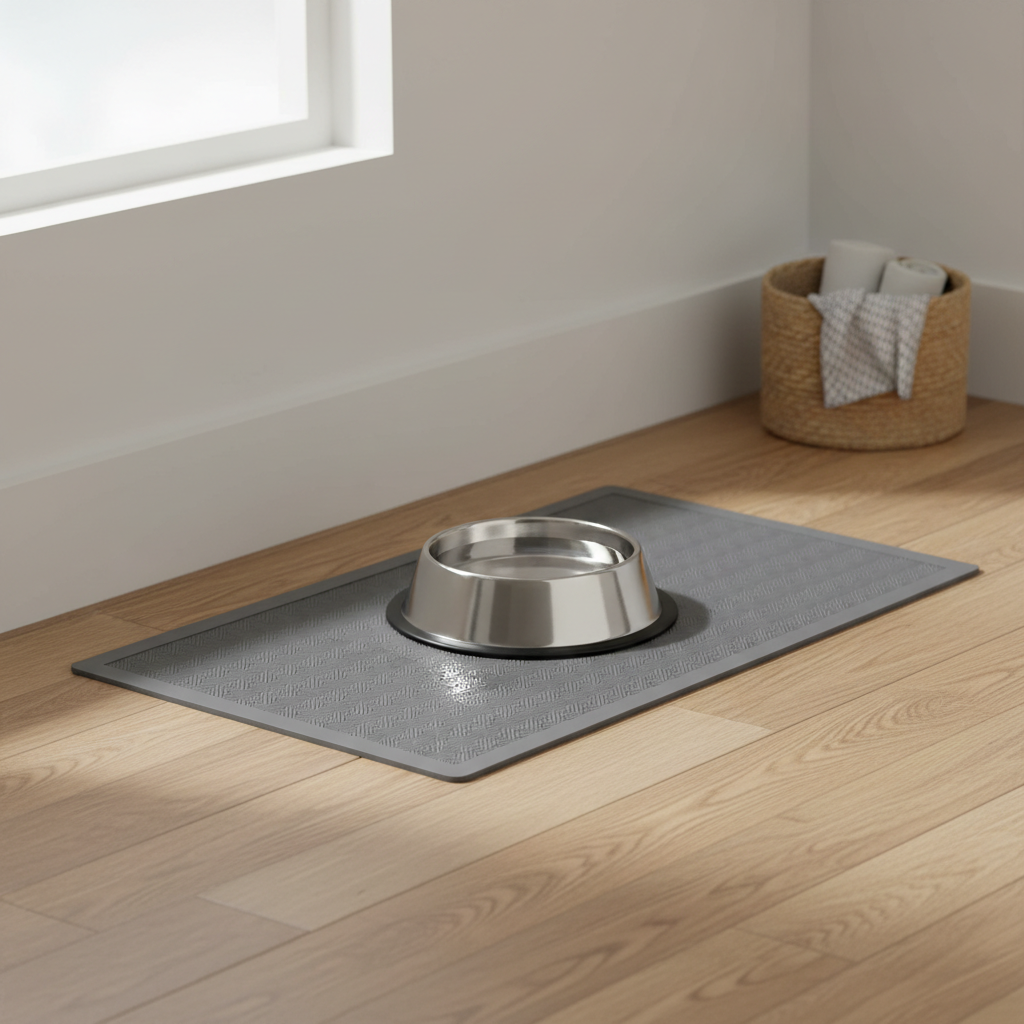
- Add a washable mat: A rubber-backed mat under the bowl adds friction and catches drips, just avoid anything your ferret can shred.
- Separate water and food: Give a bit of distance so kibble does not end up in the bowl after one enthusiastic dig.
- Keep it filled to a sensible level: Not brim-full, but not low. Mid-level water is less tempting to flip and less likely to slosh out.
- Rotate two bowls: One in use, one drying. This makes daily cleaning realistic instead of aspirational.
Key takeaway: for many homes, a heavy ferret water bowl stainless steel build plus a simple mat solves more than switching brands repeatedly.
Common mistakes (that quietly keep the mess going)
Some “solutions” look reasonable but backfire in normal use.
- Going too small: A tiny dish seems tidy, but it empties quickly and tips easier.
- Trusting suction cups on textured floors: They often fail when dust or fur gets underneath.
- Using soft plastic bowls: They scratch, hold odors, and can be harder to fully sanitize.
- Placing water next to litter: Even if your ferret drinks, it can increase contamination risk.
- Assuming a bottle replaces a bowl: Some ferrets drink less from bottles, and output is harder to observe.
According to the American Animal Hospital Association (AAHA)...hydration and daily intake observation matter, and in practice it is easier to notice changes when your pet drinks from a bowl you refill.
When to get professional help (not just a different bowl)
Messy water habits are usually behavioral, but a few patterns deserve extra attention.
- Sudden increase in drinking or the bowl empties much faster than normal, especially with weight loss or lethargy.
- Not drinking or very dark urine, which may suggest dehydration risk.
- Repeated vomiting, diarrhea, or signs of mouth pain that make drinking uncomfortable.
In those cases, it is smart to contact a ferret-experienced veterinarian. This article can’t diagnose health issues, and early guidance often prevents bigger problems.
Conclusion: a calmer water station is mostly about stability and placement
A non-slip bowl helps, but the biggest wins usually come from choosing a heavier stainless option, placing it where your ferret has less leverage, and making cleaning easy enough to do often.
If you want a simple next step, start by upgrading to a heavier base and add a washable mat under the bowl, then watch your ferret for a couple days and adjust placement before buying anything else.
FAQ
What size ferret water bowl stainless steel should I buy?
Many single-ferret homes do well with a medium bowl around 10–20 oz, but multi-ferret setups often need more capacity or two stations. If you refill constantly, go bigger or add a second bowl.
Is a non-slip ring safe if my ferret chews everything?
It depends on the ring design and your ferret’s habits. If chewing is intense, avoid exposed rubber or choose a bowl holder instead, and monitor closely at first.
Why does my ferret dig in the water bowl even when it’s clean?
Often it is play or instinct, not dirt. A deeper bowl and a corner placement reduce splash-outs, and some owners find enrichment time lowers “water play” a bit.
Should I use a water bottle instead of a bowl?
Many ferrets can use bottles, but bottles can clog and it is harder to notice changes in drinking. A bottle can be a backup, while a bowl remains the main option in many households.
How often should I clean a stainless steel water bowl?
Daily rinsing and regular washing is a realistic baseline, especially if your ferret dunks toys or food. If biofilm feels slick on the inside, wash more often.
My bowl is “non-slip” but still slides, what now?
Usually the bowl is too light for the floor type. Add a rubber-backed mat for friction, move the bowl into a corner, or switch to a heavier model with a wider base.
Can stainless steel bowls cause chin acne or irritation in ferrets?
Irritation is more commonly linked to hygiene and residue than the material itself. If you see redness or bumps, clean more frequently and consider asking a veterinarian, since skin issues can have multiple causes.
If you are shopping and want a more “set it down and stop thinking about it” setup, look for a heavier stainless bowl with a true non-slip base and smooth interior, then build a small station around it with a washable mat so your ferret can do ferret things without turning your floor into a pond.