
small pet play ball plastic colorful toys can be great for quick enrichment, but the wrong size, plastic, or design can turn a “fun ball” into a frustration, or worse, a safety worry.
If you’re shopping for a hamster, rat, guinea pig, bunny, or even a curious ferret, the details matter more than the photos, ventilation, surface texture, seam quality, and how your pet actually plays at home.
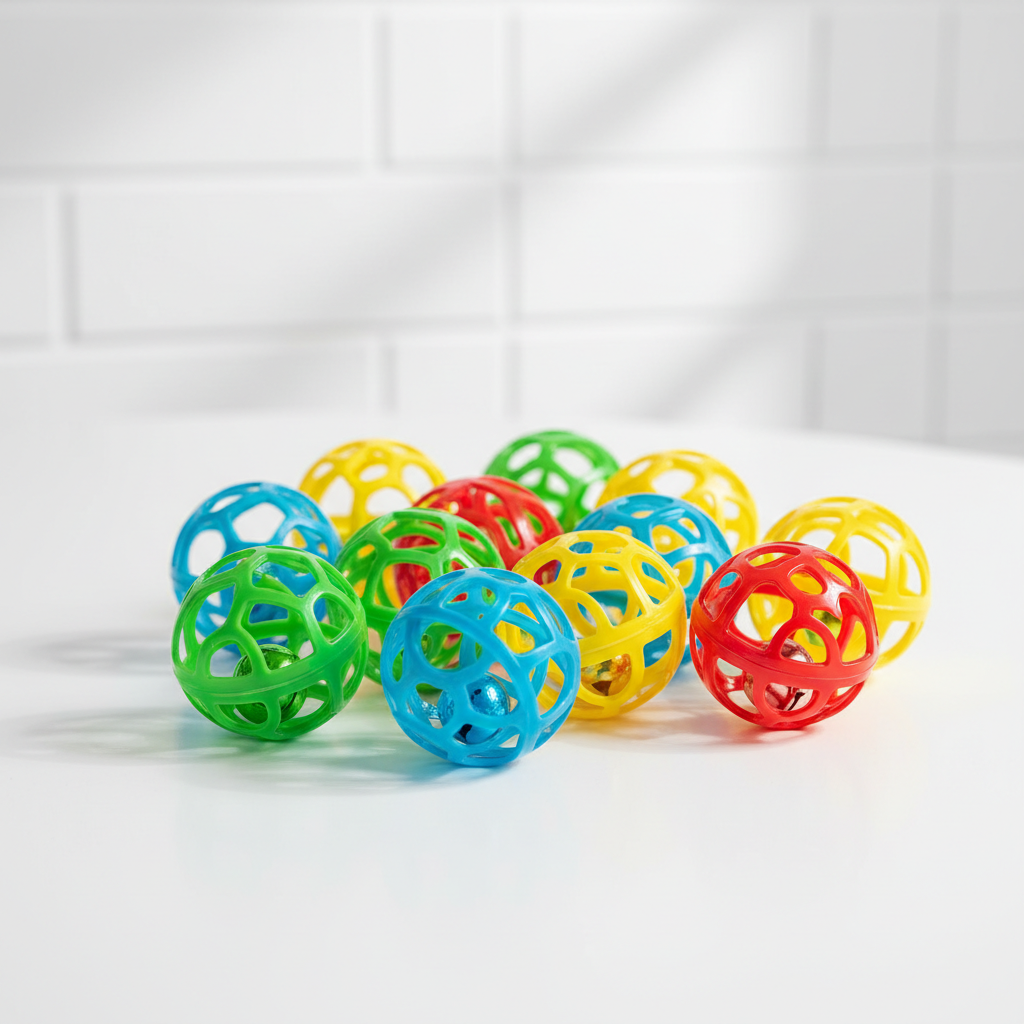
This guide breaks down what usually makes these balls safe and useful, how to choose the right style for your species, and how to introduce one without stressing your pet. I’ll also point out common mistakes that cause most returns and most “my pet hates this” stories.
Why these balls are popular, and where they go wrong
A plastic, colorful ball is popular because it’s cheap, easy to clean, and instantly interactive. Many pets will push, bat, or mouth it with almost no training, which makes it a simple way to add variety to the day.
But reality is messy. The same ball that works for a rat might be useless for a guinea pig, and a ball with big holes might be fine for supervised play but risky for a pet that likes to chew and pull.
- Noise and vibration: Hard plastic can be loud on tile, some pets freeze or startle.
- Size mismatch: Too small becomes a chew object, too large becomes ignored.
- Vent holes and gaps: Openings can catch toes, nails, or teeth in some designs.
- Color and visibility: “Colorful” helps humans shop, but pets respond more to motion, scent, and texture.
Material and build quality, what to check before you buy
Most small-pet balls use polypropylene (PP) or ABS plastic, both common in consumer products. You don’t need to be a materials engineer, you just need to check a few practical signs that the plastic and finish are “pet-safe enough” for the way your animal plays.
According to FDA, plastics intended for food contact are regulated for chemical safety, but pet toys aren’t automatically held to the same standard, so it helps to choose reputable brands and avoid strong chemical odors.
- Smell test: A strong “new plastic” odor that lingers can be a red flag, let it air out, or skip it.
- Seams and sharp edges: Run a finger along the seam, rough edges often become chew points.
- Flex and crack resistance: Cheap brittle shells can crack into sharp pieces after a fall.
- Paint or coating: Prefer molded color over painted surfaces, paint can chip with chewing.
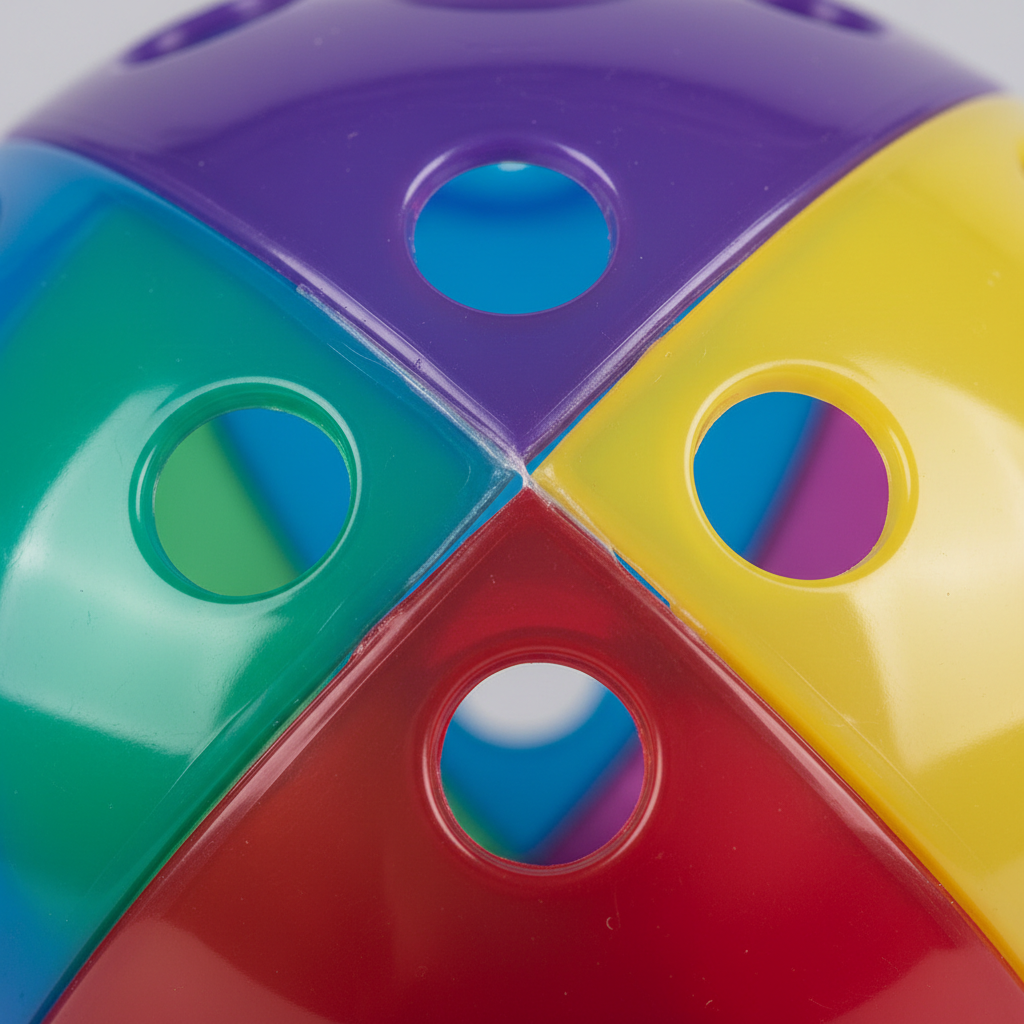
If your pet is a committed chewer, consider this a rule of thumb: a small pet play ball plastic colorful toy should be treated as “supervised enrichment,” not a 24/7 cage accessory, unless the product is explicitly designed and proven durable for that species.
Pick the right ball style for your pet, not just the cutest color
There are a few common ball types, rattle balls, treat-dispensing balls, lattice balls, and solid balls. What works depends on whether your pet likes pushing, chewing, hunting, or foraging.
Quick matching guide
- Hamsters: Often prefer smaller, lighter balls they can push or carry, treat-dispensing can work if openings are appropriately sized.
- Rats: Usually enjoy foraging balls and puzzle-like movement, but avoid toe-trap gaps if they climb on toys.
- Guinea pigs: Many prefer gentle nudging and foraging, avoid loud rattle balls if they startle easily.
- Rabbits: Often like larger balls they can nose and chase, but chewing is common, inspect often.
- Ferrets: Tend to prefer higher-energy chase and stash play, choose sturdy designs and supervise closely.
Color matters less than people think. Many small mammals rely heavily on smell and touch, so a textured surface or a ball that holds a tiny piece of fleece for scent can be more interesting than a neon finish.
Size, holes, and safety, a practical checklist
If you only do one thing before checkout, do this: imagine your pet’s foot, jaw, and nose interacting with every hole and edge. That mental picture catches most issues early.
- Diameter: Big enough that it can’t be swallowed or fully fit in the mouth, small enough to push comfortably.
- Hole size: Avoid openings that can catch a toe or allow the jaw to wedge, “medium gaps” are often the worst.
- Weight: Too heavy discourages play, too light can bounce unpredictably and scare timid pets.
- Noise: If your pet hides from sudden sounds, skip rattles and hard bells.
- Chew risk: If your pet shreds plastic, choose another enrichment type, or keep play strictly supervised.
According to AVMA, choking and gastrointestinal blockage are recognized risks when pets ingest non-food items, so if you notice chewing that removes pieces, it’s safer to stop using the toy and talk with a veterinarian if you suspect ingestion.
Comparing common options (table)
Not every home needs a “fancy” ball. The best choice is the one your pet actually uses, without you worrying every minute.
| Ball type | Best for | Pros | Watch-outs |
|---|---|---|---|
| Lattice/open ball | Nudging, light carry | Easy to grip, can add hay or fabric strips | Gap size can snag toes or teeth |
| Treat-dispensing ball | Foraging, food motivation | Mental stimulation, slows fast eaters | Port size must match treat size, can frustrate some pets |
| Rattle ball | Chase, alert pets | Gets attention fast | Noise stress for timid animals, can encourage rough chewing |
| Solid plastic ball | Simple pushing games | Fewer snag points, easy cleaning | Less interesting without scent or movement variety |
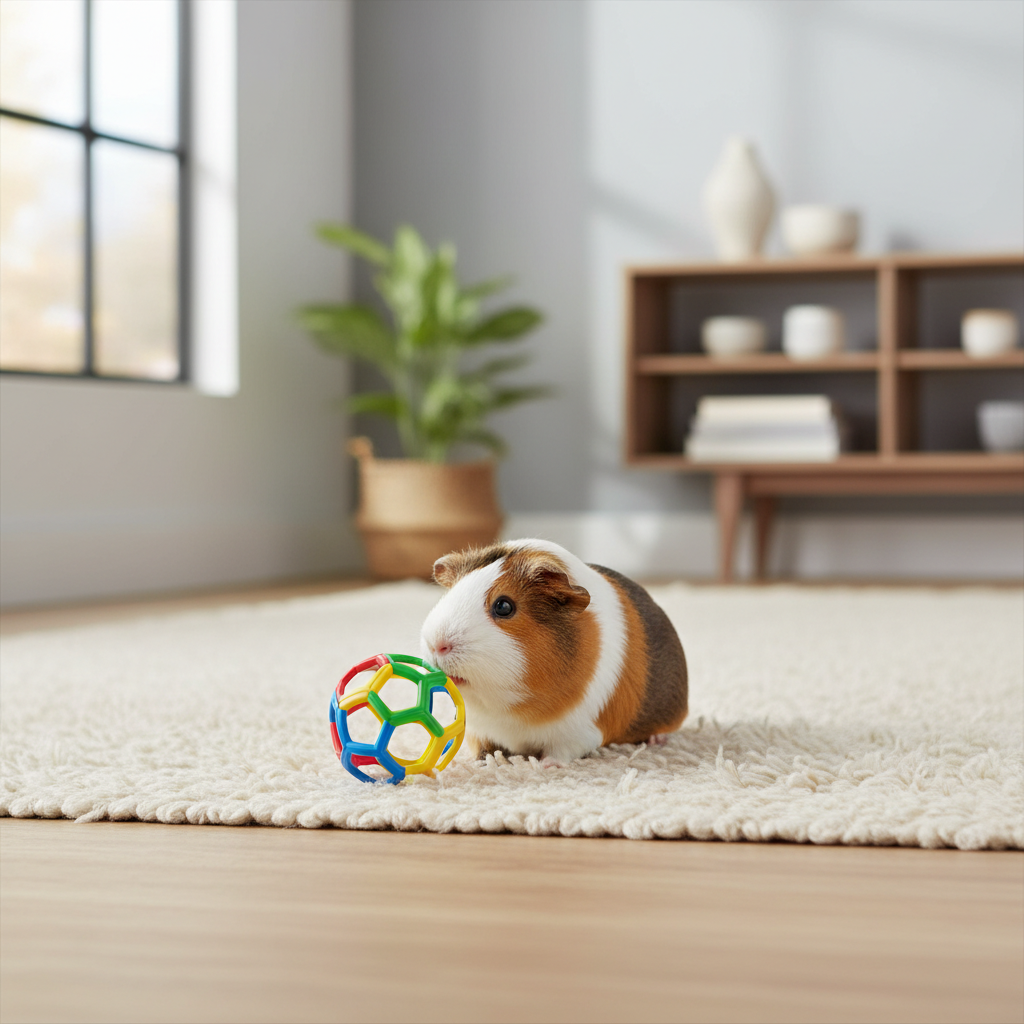
If you’re unsure, a solid ball with minimal openings is often the least “complicated” starting point, then you can graduate to treat-dispensing once you know your pet’s play style.
How to introduce a new ball so your pet actually uses it
Most failed toys fail because the introduction is rushed. A new object in a small animal’s space can read as “danger,” not “fun,” especially for prey species.
- Start outside the cage: Offer the ball during supervised floor time so you can observe chewing and stress.
- Add familiar scent: Rub the ball lightly with clean bedding, or place it near hay for a short time.
- Reward curiosity: If your pet sniffs or nudges it, reinforce with a tiny treat or verbal calmness.
- Keep sessions short: 3–5 minutes is plenty for the first few tries, stop before your pet gets overwhelmed.
For treat balls, use high-smell, low-crumb treats at first, and set the opening so success happens quickly. If they have to work too hard on day one, they may ignore it permanently.
Cleaning, storage, and when to replace
Plastic balls get gross faster than people expect, especially if treats, saliva, or bedding dust stick to seams. A quick cleaning routine extends life and reduces odor.
- Routine wash: Warm water and mild dish soap, rinse well, air-dry fully before returning it.
- Avoid harsh chemicals: Strong cleaners may leave residue, if you need disinfection, ask a vet for safe options.
- Inspect weekly: Look for cracks, sharp edges, loose rattles, or bite marks that remove material.
Retire the toy if you see structural damage, or if your pet starts “manufacturing confetti” from it. That’s not enrichment, that’s a risk.
Key takeaways before you click “Buy”
- Choose design first, color second: hole size, seams, and weight matter more than the shade.
- Match to species and personality: timid pets often hate loud rattle balls.
- Supervise chewers: a small pet play ball plastic colorful toy isn’t always a leave-in item.
- Make it easy at the start: short sessions and familiar scent boost acceptance.
Conclusion: a safe, colorful ball can be simple enrichment
A well-made plastic ball can add variety, movement, and foraging to your pet’s routine, but it’s only “worth it” when it fits your animal’s size, temperament, and chewing habits. If you’re choosing today, pick a sturdy design with smooth seams, test it during supervised play, then adjust based on what your pet actually enjoys.
If you want a low-effort next step, choose one ball style, introduce it for a few short sessions this week, and keep notes on whether your pet nudges, carries, chews, or ignores it, that one observation tells you what to buy next.
FAQ
What size should a plastic play ball be for a hamster or mouse?
In many cases, you want a ball that’s easy to push without your pet needing to climb on it, while still being large enough that it can’t be swallowed or fully fit in the mouth. If you’re between sizes, sizing up slightly tends to be safer.
Are colorful plastic pet balls safe to leave in the cage overnight?
Sometimes, but it depends on chewing behavior and the ball’s construction. If your pet removes plastic pieces, or if the ball has openings that could snag, supervised use is the safer default, then you can reassess.
My guinea pig is scared of the ball, what should I do?
Back up and slow down. Remove the ball, then reintroduce it during calm floor time, add familiar scent, and avoid rattle styles. Some guinea pigs simply prefer foraging mats or hay toys over rolling toys, and that’s normal.
Do treat-dispensing balls cause overeating?
They can if you load them with calorie-dense treats. A better approach is to use a small portion of the daily pellet allotment, or vet-approved treats, so the toy shifts “how they eat,” not “how much they eat.”
What plastic is best for small pet toys?
You’ll often see PP or ABS. More important than the plastic label is overall build quality, no sharp seams, no flaking paint, and no strong odor, plus a design that matches your pet’s habits.
How often should I replace a plastic play ball?
Replace it when cracks, sharp edges, or deep chew marks appear, or when parts loosen. If you suspect your pet swallowed plastic, it’s wise to contact a veterinarian for guidance since blockage risk varies by species and size.
Can rabbits use the same colorful plastic balls as hamsters?
Sometimes, but rabbits often need larger, tougher toys, and they may chew more persistently. A ball that’s “fine for a hamster” might not hold up for a rabbit, so start with supervised sessions and frequent inspections.
If you’re trying to pick a small pet play ball plastic colorful option without overthinking it, focus on smooth construction, safe openings, and a style that fits your pet’s play personality, then test it in short supervised sessions before making it a permanent part of the setup.