
A pet travel carrier bag that’s truly lightweight should feel easy on your shoulder without feeling flimsy around your pet, and that balance is where most shoppers get stuck.
You’re usually not just buying “a bag.” You’re buying peace of mind for car rides, vet visits, weekend trips, and sometimes a flight where the rules suddenly matter. When a carrier is too heavy, you stop using it. When it’s too light in the wrong ways, zippers fail, the base sags, and your pet gets anxious.
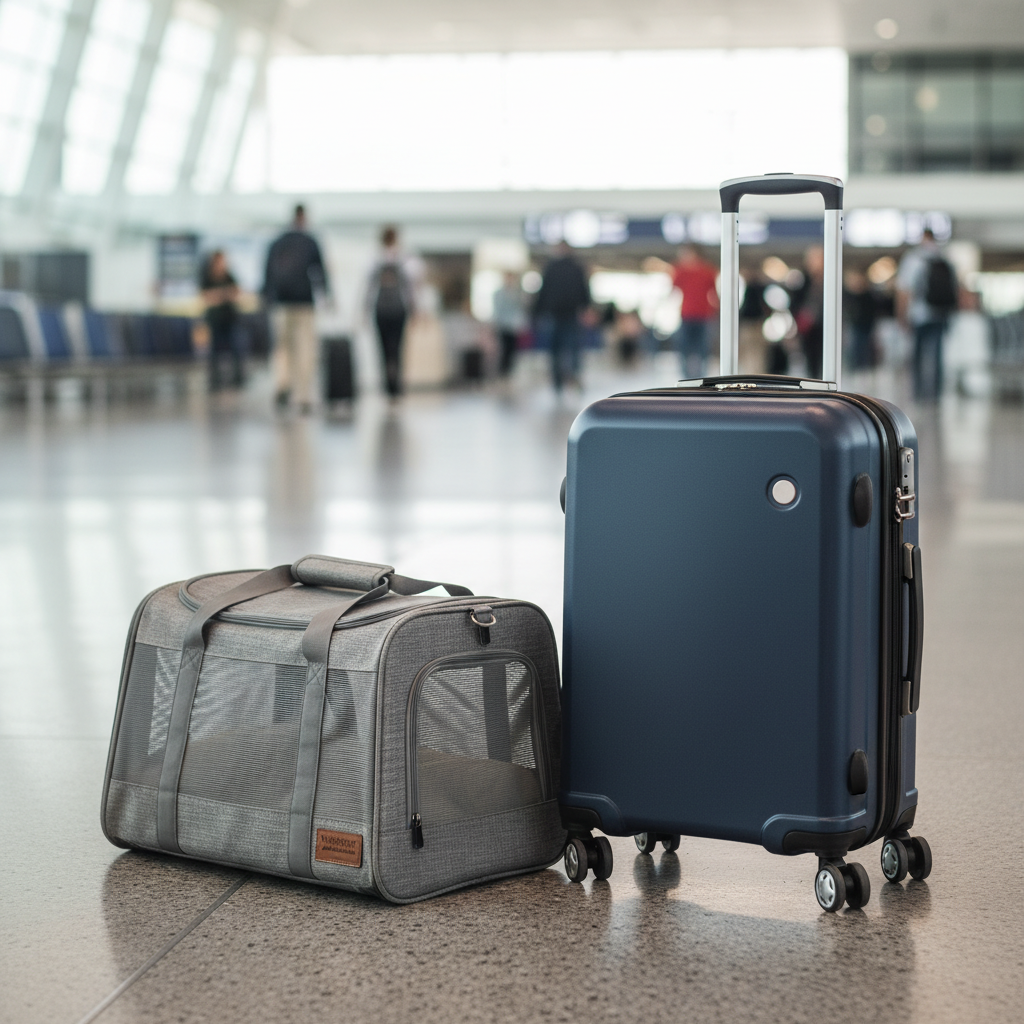
This guide breaks down what “lightweight” should mean in real life, how to check fit and comfort fast, and which features are worth paying for when you want something durable but not bulky.
What “lightweight” really means for a pet carrier bag
Most product pages highlight low weight, but they rarely explain where weight gets saved. Some carriers cut weight by removing structure, others use better materials and smarter frames, which tends to travel better.
- Bag weight vs. total carry weight: the carrier might be 2.5 lb, but with a 12 lb pet you’re carrying 14.5 lb. Shoulder straps and handles matter as much as ounces.
- Structure without bulk: look for a reinforced base or lightweight internal frame so the floor doesn’t hammock under your pet.
- Ventilation you can trust: mesh panels should feel taut, not stretchy, and seams should be clean and even.
- Usability: if it collapses flat easily and stores well, you’ll actually take it out for quick trips.
According to the American Veterinary Medical Association (AVMA), safe travel includes appropriate restraint and ventilation, and pets should be transported in a secure carrier when practical. In plain terms, “light” is great, but it still has to be secure.
Common reasons lightweight carriers disappoint (and how to avoid them)
When people regret a pet travel carrier bag purchase, it’s usually one of these scenarios, not something mysterious.
1) The base sags and your pet refuses to settle
A droopy floor shifts your pet’s weight, makes them brace with their legs, and can raise anxiety. A removable firm base insert, ideally with a washable cover, fixes most of this.
2) Zippers and mesh fail under real stress
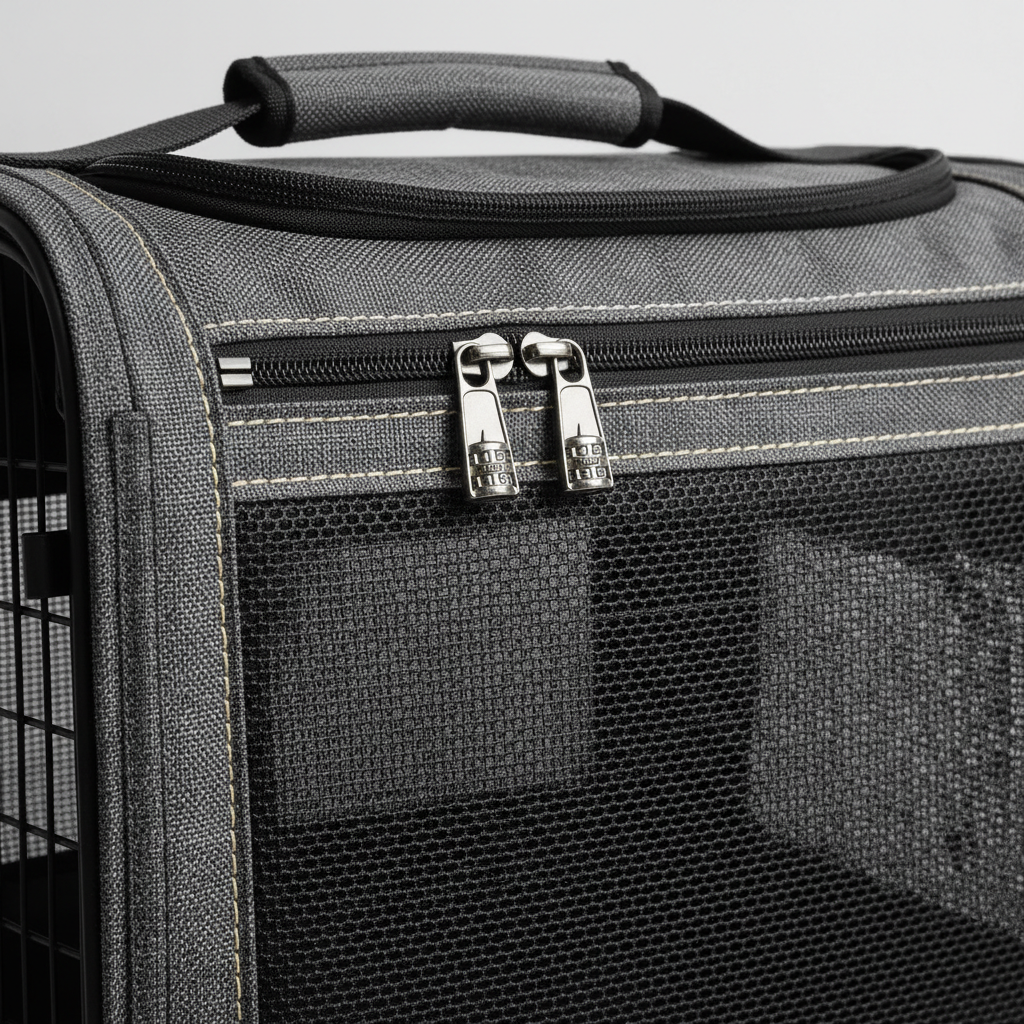
Lightweight shouldn’t mean fragile. Small dogs that paw at the door, or cats that push with their head, will find weak points fast. Double stitching around mesh edges and lockable zipper pulls are small details that matter.
3) It’s “airline friendly” in the listing, not in the cabin
Airline under-seat space varies by aircraft and seat location, and soft-sided carriers must compress to fit. Many bags are technically within a posted size, but too rigid in the wrong spots. Always check your airline’s current policy before you commit.
4) The bag is light, but carrying it hurts
Narrow straps, poor balance, and no crossbody option can make a light carrier feel heavy after 10 minutes. If you commute or walk far, comfort features are not “extra.”
A quick self-check: which carrier style fits your situation?
If you’re torn between styles, this is the fast way to sort it out.
- Mostly car rides + vet visits: prioritize stable base, easy top entry, quick-clean interior.
- Walking, public transit, city errands: prioritize padded shoulder strap, crossbody stability, low swing.
- Occasional flights: prioritize compliant dimensions, compressible sides, privacy panels, luggage sleeve.
- Anxious pet: prioritize darker interior, multiple entry points, quiet fabric, minimal wobble.
- Senior pet or recovery: consider lower doorway height, supportive floor, and less “step up.” Ask your veterinarian what’s appropriate for your pet’s condition.
Key point: a lightweight carrier works best when your pet can sit and turn around comfortably, but not slide around inside.
Feature checklist: what to look for (and what you can skip)
Not every feature earns its keep. Here’s the short list that tends to matter in day-to-day use.
- Reinforced base insert: keeps posture natural, reduces wobble.
- Ventilation on multiple sides: helps airflow, gives your pet visual cues.
- Washable lining: accidents happen, and odor lingers in foam.
- Safety tether: useful for calm pets, but don’t rely on it as the only restraint.
- Escape-resistant closures: zipper garages, double zippers, sturdier pulls.
- Carry comfort: padded strap, balanced handles, optional backpack carry if you walk far.
Features you can often skip if you want to keep things light: oversized external pockets, heavy metal hardware everywhere, thick faux-leather trims that add weight but not function.
Comparison table: lightweight carrier options by travel need
Use this as a practical filter, not a rulebook. Your pet’s size and temperament can change the “best” pick.
| Use case | Best carrier type | Why it works | Watch-outs |
|---|---|---|---|
| Quick trips, vet, rideshare | Soft-sided tote with firm base | Easy in/out, light, stows well | Check zipper quality and base rigidity |
| Air travel (in-cabin) | Airline-oriented soft carrier | Compressible sides, privacy flaps | Airline sizing varies, verify policy before buying |
| Walking longer distances | Hybrid sling/crossbody carrier | Better weight distribution, less swing | Not ideal for pets that need more “box space” |
| Wiggly or strong pets | Structured soft-sided carrier | More shape control without hard-shell weight | Can be slightly heavier, check under-seat fit |
How to choose the right size (without guessing)
Size errors are the most common reason a pet travel carrier bag ends up returned. The fix is simple, but you have to measure the right way.
Step-by-step sizing
- Measure length: nose to base of tail (not the tip).
- Measure height: floor to top of head or ears (whichever is higher) when sitting naturally.
- Check interior dimensions: listings often show exterior size, which can mislead.
- Plan for posture: your pet should sit and turn around, but not have so much space they slide during movement.
If your pet is between sizes, your travel method decides. For flights, you may need to stay within airline limits; for car travel, a slightly roomier fit may feel calmer. When in doubt, ask your veterinarian, especially for brachycephalic breeds, seniors, or pets with respiratory concerns.
Real-world setup tips: make the carrier feel safe fast
Even the best lightweight carrier can fail if the first experience feels scary. A little setup goes a long way.
- Do a “home open-door” period: leave it out with treats inside, door open, no pressure.
- Add a familiar scent: a small blanket from home often helps more than toys.
- Stabilize the base: ensure the insert sits flat, no curled corners.
- Practice short carries: 1–2 minutes, then reward, gradually increase time.
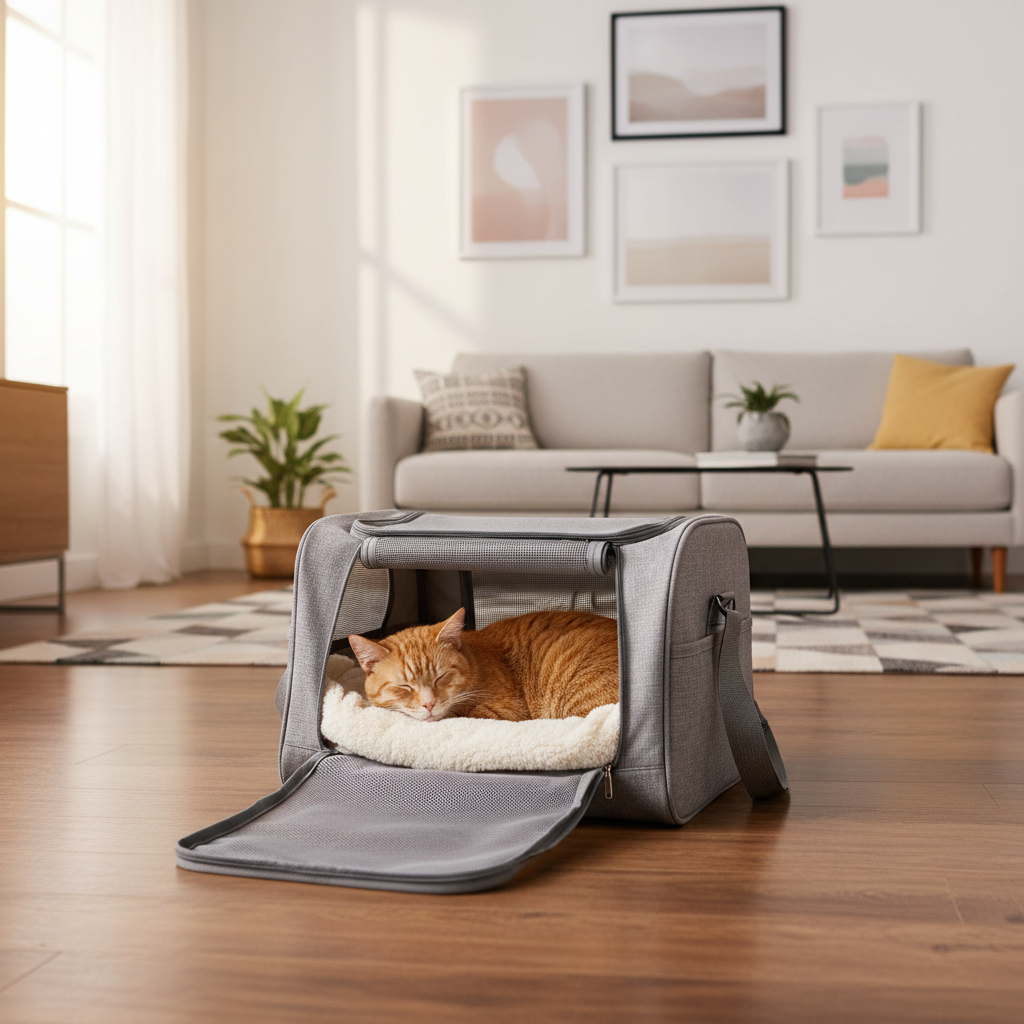
For travel day, keep it boring. Calm voice, steady movement, no sudden swinging. If your pet shows heavy panting, drooling, or panic behaviors, pause and reassess; those signs can have multiple causes and may warrant a quick call to a veterinary professional.
Common mistakes (the ones that waste money)
- Buying for looks first: fashion carriers can be fine, but weak ventilation or a soft floor turns into stress quickly.
- Ignoring return-window testing: test zippers, strap comfort, and “turn around” space at home right away.
- Assuming “one size fits all airlines”: under-seat fit depends on aircraft, not just the brand claim.
- Overpacking pockets: extra weight changes how the bag hangs and can make your pet tilt.
- Skipping identification: a tag on the carrier handle is simple and often overlooked.
Conclusion: choosing light is smart, choosing stable is smarter
A lightweight carrier is worth it when it reduces friction: you grab it more often, your pet fights less, and trips feel manageable. The practical sweet spot is a pet travel carrier bag with a firm base, reliable ventilation, and carrying comfort that matches how you actually move through your day.
If you want one next step, do this: measure your pet and compare to interior dimensions, then shortlist two carriers and test them at home within the return window. That alone prevents most buyer’s remorse.
FAQ
What is considered “lightweight” for a pet travel carrier bag?
It varies by size class, but many soft-sided carriers land in a range that feels manageable with one hand. Instead of chasing the lowest number, check whether the base stays firm and the straps feel comfortable once your pet is inside.
Can a lightweight carrier still be safe for my pet?
Yes, if it’s secure and structured where it counts: sturdy zippers, reinforced seams, and good ventilation. Lightweight materials can be durable, but you want to confirm build quality rather than assuming.
How do I know if my carrier will fit under an airline seat?
Start with your airline’s published dimensions, then look for a soft-sided carrier that compresses slightly. Aircraft layouts change, so it’s wise to confirm the current policy and consider calling the airline if you’re unsure.
Is a soft-sided carrier better than a hard-sided one for travel?
For many people, soft-sided is easier to carry and fits more spaces, especially in-cabin air travel. Hard-sided can feel more protective in some situations, but it often adds weight and can be less forgiving for tight spaces.
What features help with an anxious dog or cat?
Privacy panels, multiple entry points, and a stable base usually help. Many anxious pets do better when the interior feels den-like, but if anxiety is severe, a veterinarian may suggest behavior strategies tailored to your pet.
Should I use the safety tether inside the carrier?
It can help prevent a quick bolt when you open the carrier, but it’s not a substitute for a well-closed bag. Use it carefully and make sure the attachment point and clip feel solid.
How can I get my pet used to the carrier faster?
Leave the carrier out, open, and reward curiosity. Short practice sessions beat one long struggle, and most pets respond better when they feel in control of entering and exiting.
If you’re trying to narrow down options and you want a more “no surprises” choice, focus on carriers that clearly list interior dimensions, show the base insert design, and make it easy to clean. That shortlist usually saves time, and it keeps you from buying a bag that looks light but travels badly.