
puppy teething cold pad soothing is one of those simple ideas that can genuinely help during the roughest teething weeks, when your pup wants to chew everything and looks uncomfortable doing it. A properly chilled pad can calm sore gums, encourage healthier chewing choices, and give you a small break from policing table legs.
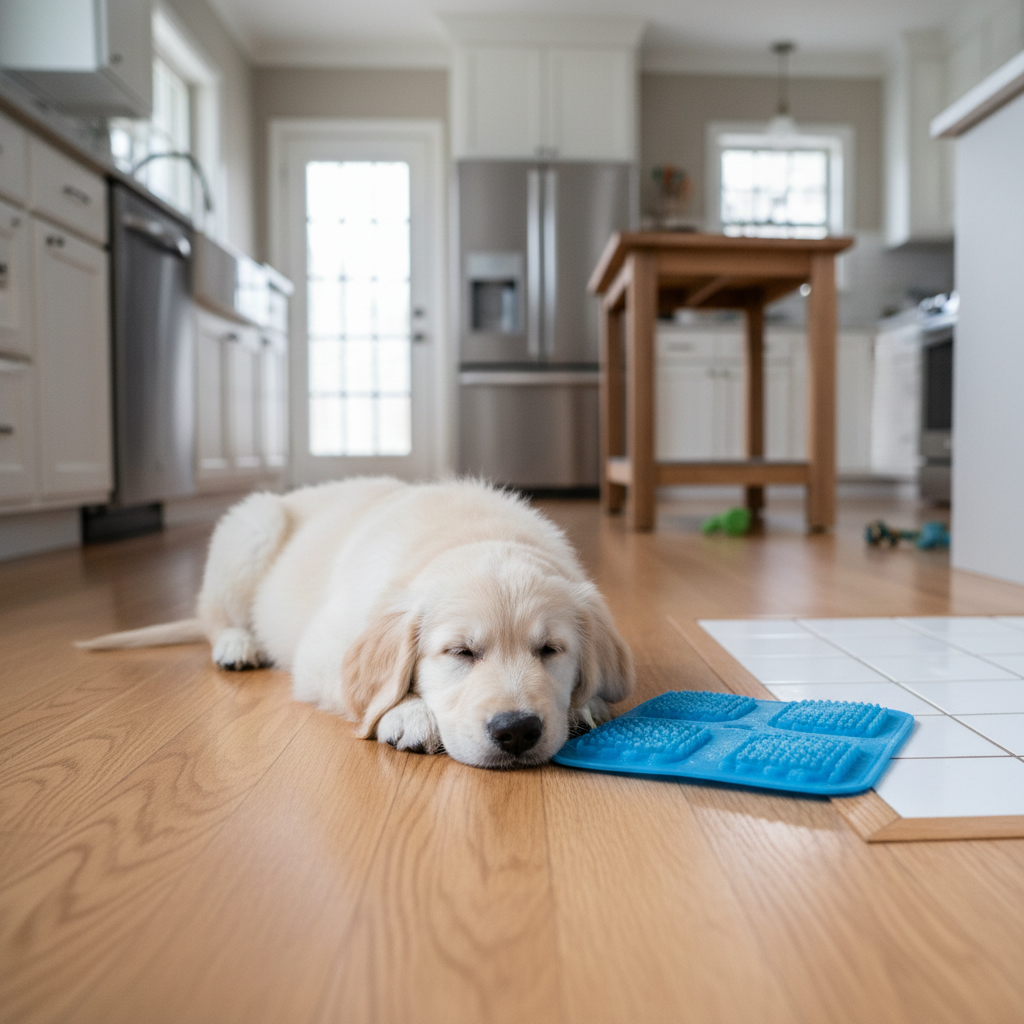
That said, cold therapy for dogs is not a free-for-all. The wrong “cold” item can be too hard, too cold, or easy to puncture, and then you’re dealing with more than teething. This guide walks through what actually works, how to tell if your puppy is a good candidate, and where most owners accidentally make things worse.
Along the way, you’ll get a quick decision checklist, a comparison table, and a practical routine you can follow tonight. If your puppy has unusual bleeding, swelling, or seems truly distressed, that’s a different lane, and we’ll cover when it’s time to call your vet.
Why cold can help during puppy teething (and what it doesn’t do)
Teething often brings gum inflammation, mouth sensitivity, and a strong urge to chew. Cold can temporarily dull sensation and reduce the “hot” feeling in irritated tissue, which is why chilled chew items tend to buy you calmer minutes.
But cold doesn’t fix everything. It won’t correct destructive chewing habits by itself, and it won’t solve problems like retained baby teeth or mouth injuries. Think of it as a comfort tool that supports training, not a replacement for it.
According to American Veterinary Medical Association (AVMA)... dental health and chewing behavior are closely linked, and early habits matter for long-term oral care. In plain terms, giving your puppy a safe outlet now makes future toothbrushing and chew choices easier.
Is a cold pad the right tool for your puppy? A quick self-check
Some puppies love a chilled surface; others ignore it and go right back to your furniture. Before you shop (or freeze anything), check these points.
- Age range: Many puppies start teething around 3–4 months and settle closer to 6–7 months, though timing varies by breed.
- Chew style: Gentle nibblers often do great with a pad; power chewers may puncture softer options fast.
- Supervision level: If you can’t watch, choose low-risk items (and skip anything that can leak gel).
- Skin sensitivity: If your puppy gets red patches from cold surfaces, shorten sessions and add a cover.
- Medical flags: Persistent bleeding, foul breath, facial swelling, refusal to eat, or sudden yelping warrants a vet check.
If your puppy checks most boxes and you can supervise, a puppy teething cold pad soothing routine can be a steady, low-drama addition to your day.
Cold pad options compared (what to look for before you buy)
“Cold pad” can mean several products, and they’re not interchangeable. Here’s a practical comparison, geared toward teething use.
| Option | Best for | Pros | Watch-outs |
|---|---|---|---|
| Chill mat (pressure-activated cooling) | Puppies who like lying down to soothe | No freezer needed, steady mild cooling | Not a chew toy; seams can be tempting |
| Freezable gel pad (pet-specific) | Short supervised sessions | Colder relief, easy to rotate | Leaks if punctured; choose thick outer layer |
| Frozen towel wrap over a pad | Budget setup, sensitive mouths | Softer contact, easy to wash | Gets warm quickly; can fray if chewed |
| Chilled chew toy (rubber, not pad) | Chewers who need oral pressure | Direct gum contact, usually durable | Too hard can irritate; size must match puppy |
Key buying cues: pick pet-labeled materials, avoid strong chemical smells, favor reinforced seams, and select a size that can’t be swallowed or folded into the mouth.
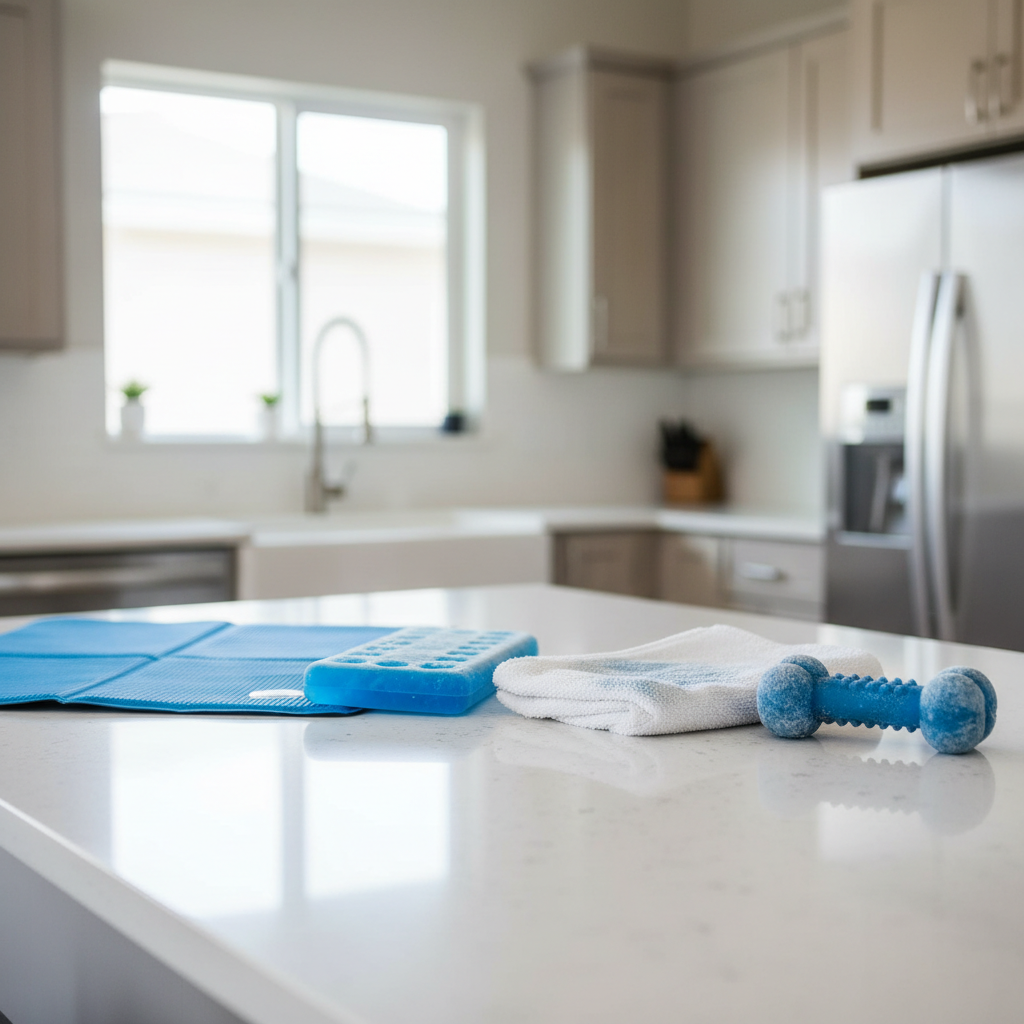
How to use a cold pad for teething relief (a simple routine that works)
The most common mistake is going too cold, too long, or unsupervised. The goal is brief comfort plus a clear “this is what you can chew” message.
Step-by-step routine (10–15 minutes)
- Pre-chill smart: If you use a freezer, wrap the pad in a thin towel so the first contact isn’t harsh.
- Set the scene: Put the pad in a puppy-safe zone, ideally after a short potty break so rest is more likely.
- Offer a legal chew: Place a chew toy next to the pad. Many puppies alternate between lying down and chewing.
- Timebox: Start with 5 minutes, then build toward 10–15 if your puppy seems comfortable.
- End clean: Pick it up after the session so it doesn’t become an all-day chew target.
If you’re doing puppy teething cold pad soothing mainly for gums (not body cooling), shorter and more frequent sessions usually beat one long session.
A realistic weekly cadence
- Mild teething days: 1–2 sessions
- Peak chewing days: 2–4 sessions, especially after meals and before evening zoomies
- Nighttime: Use only if your puppy settles with it and you can monitor
Safety notes and common mistakes owners don’t notice
Cold tools feel harmless, but puppies can turn anything into a project. Here are the problems that show up in real homes.
- Overfreezing: Rock-hard frozen pads can be uncomfortable on gums and may irritate sensitive tissue. Chilled is often enough.
- Chewing the pad itself: Even “durable” pads can fail at a seam. If your puppy starts gnawing edges, remove it and switch to a chilled chew toy.
- Gel exposure risk: If a gel pad leaks, treat it as a contamination issue. Block access, clean thoroughly, and call your vet if ingestion is possible.
- Using human ice packs: Many are not designed for pet chewing or licking, and outer films can tear easily.
- Ignoring mouth injuries: Teething causes some spotting, but ongoing bleeding or one-sided swelling is not “just teething.”
According to ASPCA... ingesting foreign material can cause gastrointestinal blockage, and chewable household items are a common pathway. That’s why supervision and choosing chew-safe products matters more than perfect temperature.
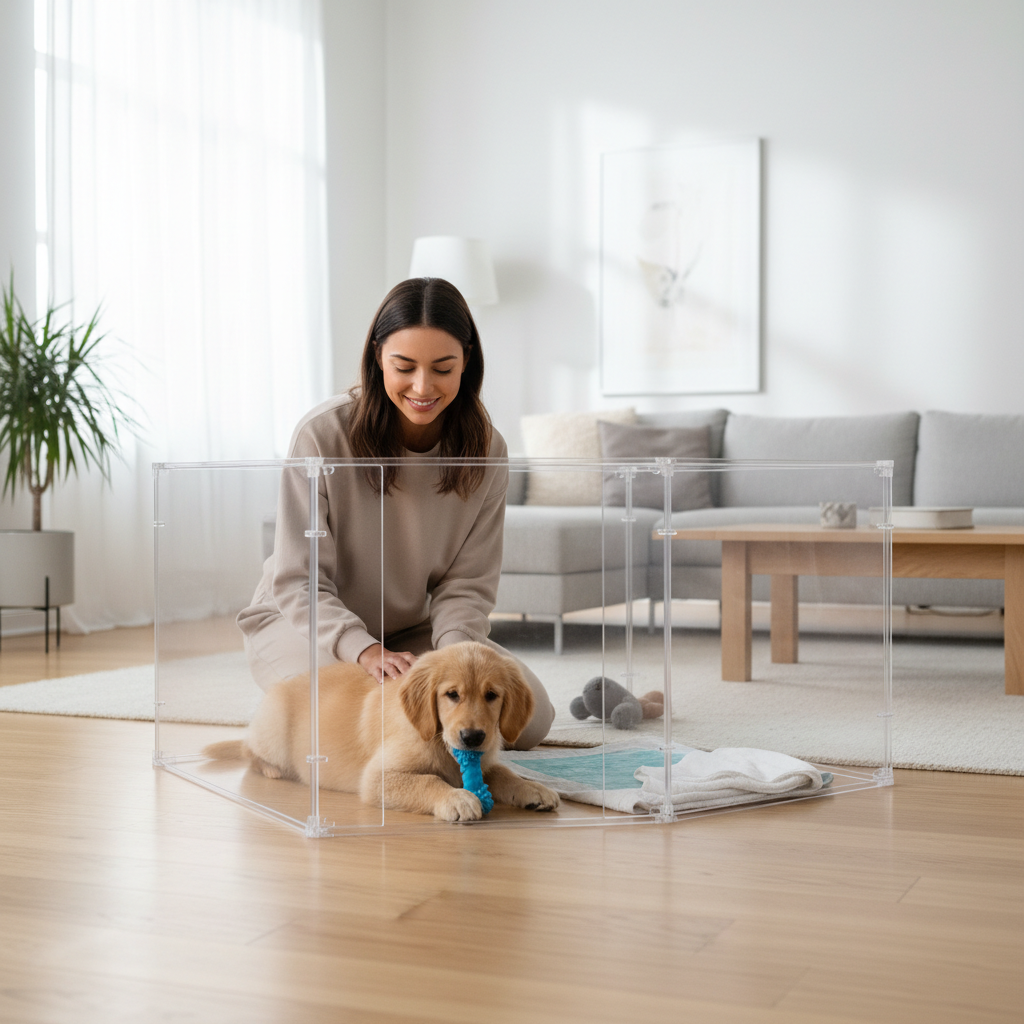
Pairing a cold pad with training: stopping “bad chewing” without a fight
A cold pad can reduce discomfort, but training is what protects your stuff. The easiest approach is to reward the chew choices you like and reduce access to the ones you don’t.
- Make the right choice obvious: Keep 2–3 chew options within reach in the rooms you use most.
- Interrupt, then redirect: If your puppy grabs a chair leg, calmly trade for a chilled chew and praise.
- Use confinement strategically: A playpen or crate (with appropriate training) can prevent “practice” of destructive chewing.
- Rotate textures: Rubber, fabric, and safe edible chews can keep interest high, which matters when teething peaks.
Many owners get stuck because they only add more toys, but they don’t remove access to the furniture, or they offer toys that feel boring compared to wood. Comfort plus structure is the combo.
When to talk to a vet (or a trainer) instead of DIY
Teething is normal, but some signs suggest you should stop experimenting and get eyes on the problem.
- Vet check recommended: persistent bleeding, bad breath that shows up suddenly, swelling around the jaw, feverish behavior, refusal to eat, or a broken tooth.
- Trainer help recommended: chewing that looks anxious or compulsive, guarding behavior around chew items, or nonstop biting that doesn’t improve with redirection.
According to American Animal Hospital Association (AAHA)... preventive veterinary care includes oral health checks, and early assessment can catch issues like retained baby teeth or improper bite. If something looks “off,” it’s reasonable to ask.
Key takeaways (save this)
- Chilled beats frozen solid for many puppies, especially early on.
- Use a cold pad as supervised, short sessions, not an all-day chew object.
- Choose products with reinforced seams and pet-safe materials, skip flimsy human ice packs.
- Pair comfort with redirection training, otherwise chewing just relocates.
- Bleeding, swelling, foul odor, or refusal to eat deserves a professional opinion.
Conclusion: calmer teething is usually about consistency, not one magic product
If your puppy is in the thick of it, puppy teething cold pad soothing can be a practical relief tool, especially when you keep sessions short, stay nearby, and combine it with chew training. The “win” looks boring: fewer bad chewing reps, more calm settling, and a puppy that learns what belongs in their mouth.
Try one small change today: set up a supervised 10-minute chilled session after the next potty break, then immediately redirect to a chew toy you actually want them to use. If your puppy’s mouth looks more inflamed than you expect, or behavior shifts suddenly, call your vet and describe what you’re seeing.
FAQ
How cold should a puppy teething pad be?
Cool to the touch is usually enough. If it’s stiff, painfully cold on your wrist, or leaves your skin feeling numb, warm it slightly with a towel wrap and shorten the session.
Can I put a gel cold pad in the freezer for teething?
Many pet-specific pads allow freezing, but check the label. Even when it’s allowed, supervision matters because a puncture can turn into a licking or ingestion risk.
Is a cooling mat the same as a teething cold pad?
Not really. Cooling mats are typically for body cooling and resting, and many are not designed to be chewed. They can still help a puppy settle, but they’re not a chew substitute.
My puppy chews the pad instead of lying on it—what should I do?
Remove the pad and switch to a chilled chew toy, or cover the pad with a thicker towel and offer a chew right away. If they repeatedly target seams, that pad is the wrong product for your puppy’s chew style.
How often can I use a cold pad during teething?
Most owners do best with short sessions a few times per day, especially during peak chewing periods. If your puppy seems uncomfortable or avoids it, reduce frequency and consider another approach.
What are safer alternatives to a cold pad for gum relief?
Chilled rubber chew toys, a damp frozen washcloth (supervised), or vet-approved teething chews can work well. The safest choice depends on how aggressively your puppy chews and whether they swallow fragments.
Does cold therapy help with puppy biting people?
It can lower discomfort, which may reduce frantic mouthiness, but it won’t teach bite inhibition by itself. Pair it with consistent redirection, short timeouts, and plenty of appropriate chew outlets.
If you’re trying to make teething calmer without turning your home into a chew-proof bunker, a simple routine plus the right cold pad or chilled chew can be a very workable setup. If you want a more streamlined plan, consider asking your vet which teething-safe products fit your puppy’s size and chew strength, then build your routine around those recommendations.